Not only possessing profound spiritual values, this place also preserves a rich architectural system and artifacts spanning centuries.
The Phu Dong Temple complex (Giong Temple) is a place to worship Saint Giong - one of the "Four Immortals" of Vietnamese folk beliefs. The large relic area includes: Ha Temple, Thuong Temple, Ha Ma communal house, Kien So Pagoda and relic sites associated with Saint Giong.
Phu Dong Temple relic complex
In the relic complex, Thuong Temple is the main place to worship Saint Giong, playing a central role both in terms of space and religious meaning.
According to information introduced at the relic complex, legends recount that the temple originated from a small shrine dating from the time of Hung Kings 6. In 1010, when moving the capital to Thang Long, Ly Cong Uan renovated it and named it Hien Linh Palace. After many restorations, especially in the 17th - 18th centuries, the work is imbued with the architectural style of this period.
The temple stands out with a complete layout including: Nghi Mon, Phuong Dinh, Tien Te, Trung Te and Hau Cung. Right from the entrance gate, visitors can see the large inscription "Thien Thuong Than", in front are a pair of stone dragons and a pair of stone lions dating back to 1705, during the reign of King Le Du Tong. These are typical artifacts reflecting the sophisticated stone carving of the Le Dynasty.
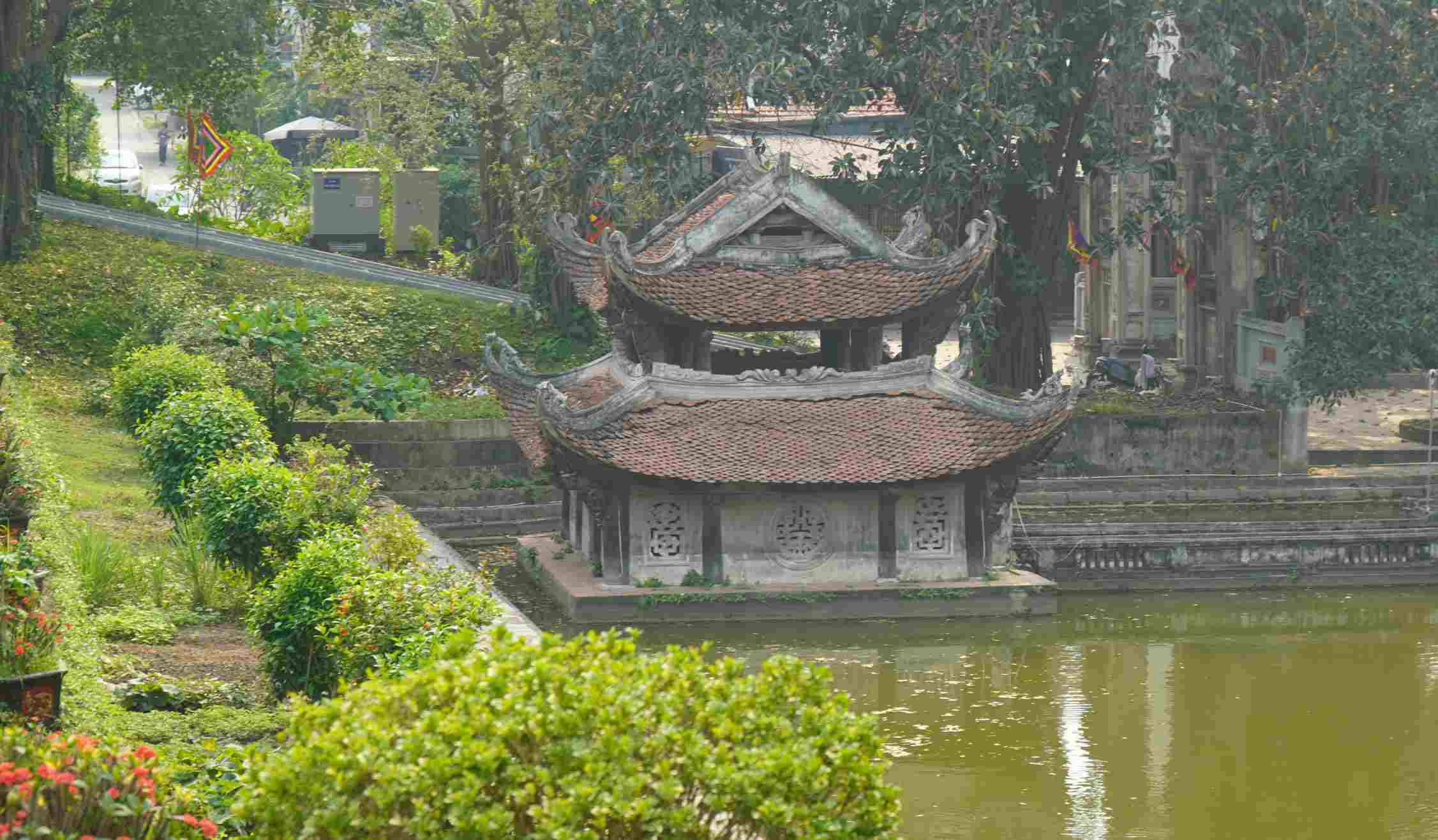
A special highlight of Thuong Temple is Thuy Dinh located on the lake in front. This project not only creates a harmonious landscape but also evokes associations with the traditional festival space, where rituals and folk cultural activities take place.
Inside the Imperial Palace, the 3m high statue of Saint Giong is placed in a solemn position, representing the image of a hero riding an iron horse to fight the An invaders. Accompanying it is a system of statues including: 6 statues of civil and military mandarins, 2 kneeling statues and 4 attendants, creating a solemn worship space.
The temple also preserves 37 imperial decrees, the earliest of which is from 1639, along with many precious stone steles dating from the Le Dynasty such as steles from 1606 and 1660. These documents are not only of historical value but also an important source of documents serving research on beliefs and administration through periods.
About 500m east of Thuong Temple is Ha Temple, also known as Mau Temple, with the name Khanh Quang Dien. This is a place to worship the mother of Saint Giong - the woman associated with the legend of the birth of the national hero.
According to historical records, Thanh Mau was previously worshiped together at Thuong Temple. In 1683, she was brought to worship separately at Ha Temple, and the current location was established in 1693. Separating the worship space shows a special respect for the role of the mother in Vietnamese cultural tradition.
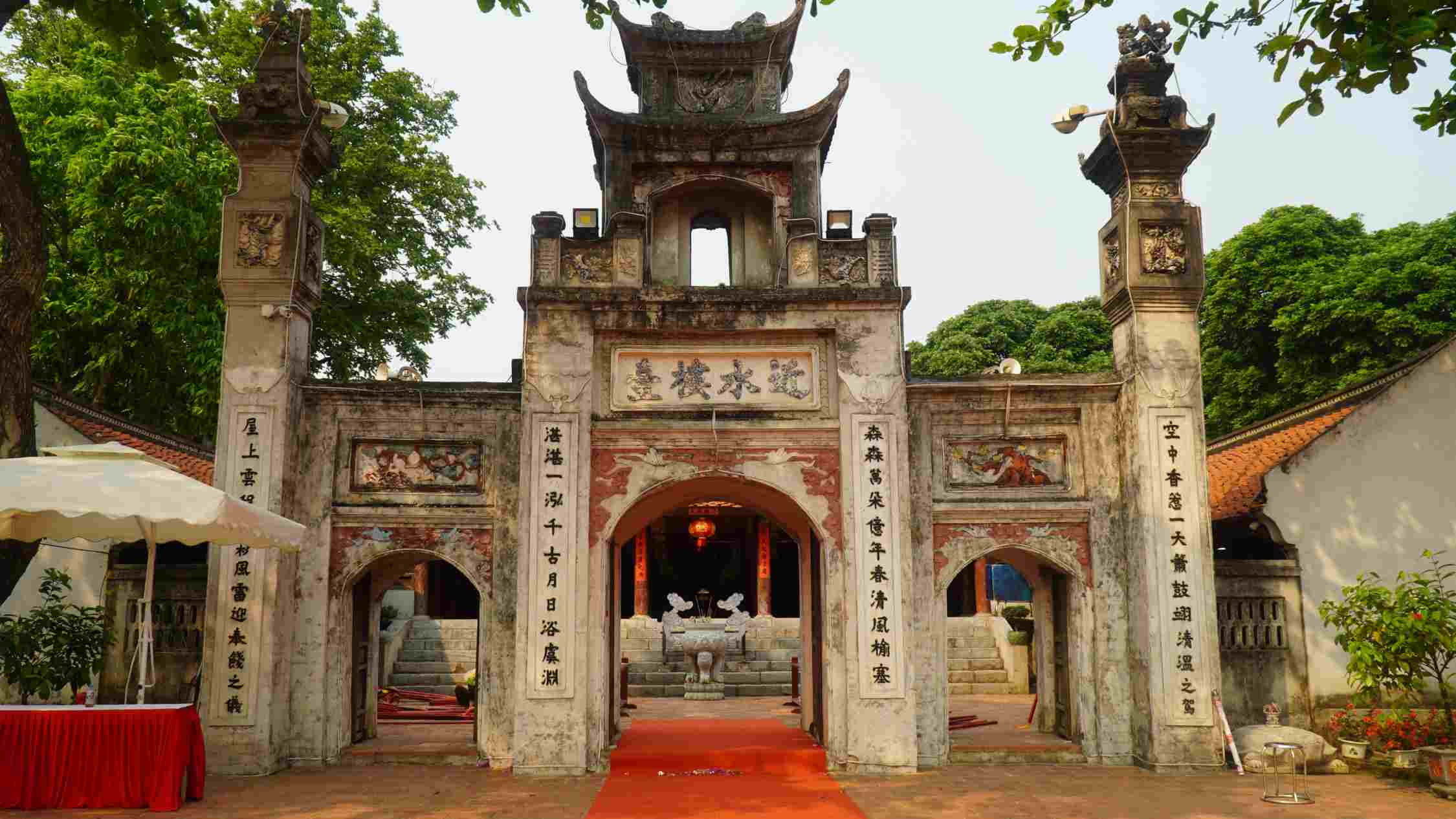
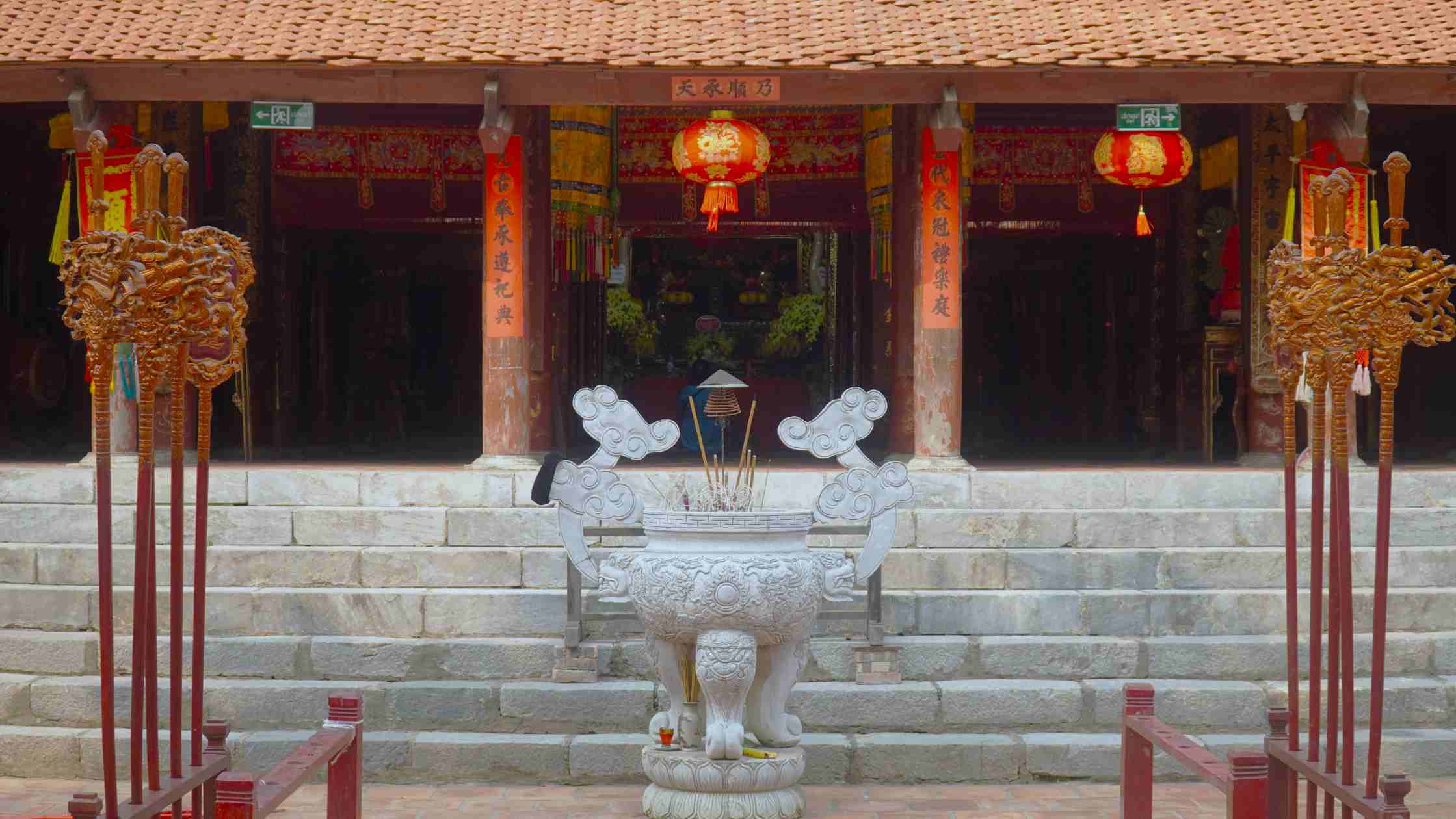
Ha Temple is located on a high ground, likened to a dragon embracing, carrying the meaning of good feng shui. The project is large in scale with an area of more than 28,000m2, including three gates: Ta Vu, Huu Vu, Tien Bai and Hau Cung, creating a balanced and harmonious architectural overall.
This place also preserves many precious artifacts such as a bronze bell weighing 600kg, a bronze incense burner weighing 150kg, and 14 imperial decrees spanning from the time of Le Hy Tong (1683) to the Duy Tan period (1909). In addition, artifacts such as stone fountains, silver ring sets and stone incense burners also contribute to enriching the cultural value of the relic.
One of the unique features of Ha Temple is the festival held annually on the 21st day of the 2nd lunar month. In which, the procession of the Holy Mother from Co Trach to Ha Temple has profound spiritual significance. In particular, since 1986, the "Phung Nheng" palanquin procession festival organized by the elderly women has become a unique highlight, showing the role of the community in preserving heritage.
Continuing to go east about 500m from Ha Temple, visitors will come to Co Vien - also known as Vườn Xưa, with an area of 1,059m2. This is considered the origin of the legend of Saint Giong.
According to legend, right in this garden, Saint Giong's mother stepped on a giant footprint, from which she conceived and gave birth to the hero who saved the country. The story is imbued with mythology but reflects the belief and rich imagination of ancient Vietnamese people.
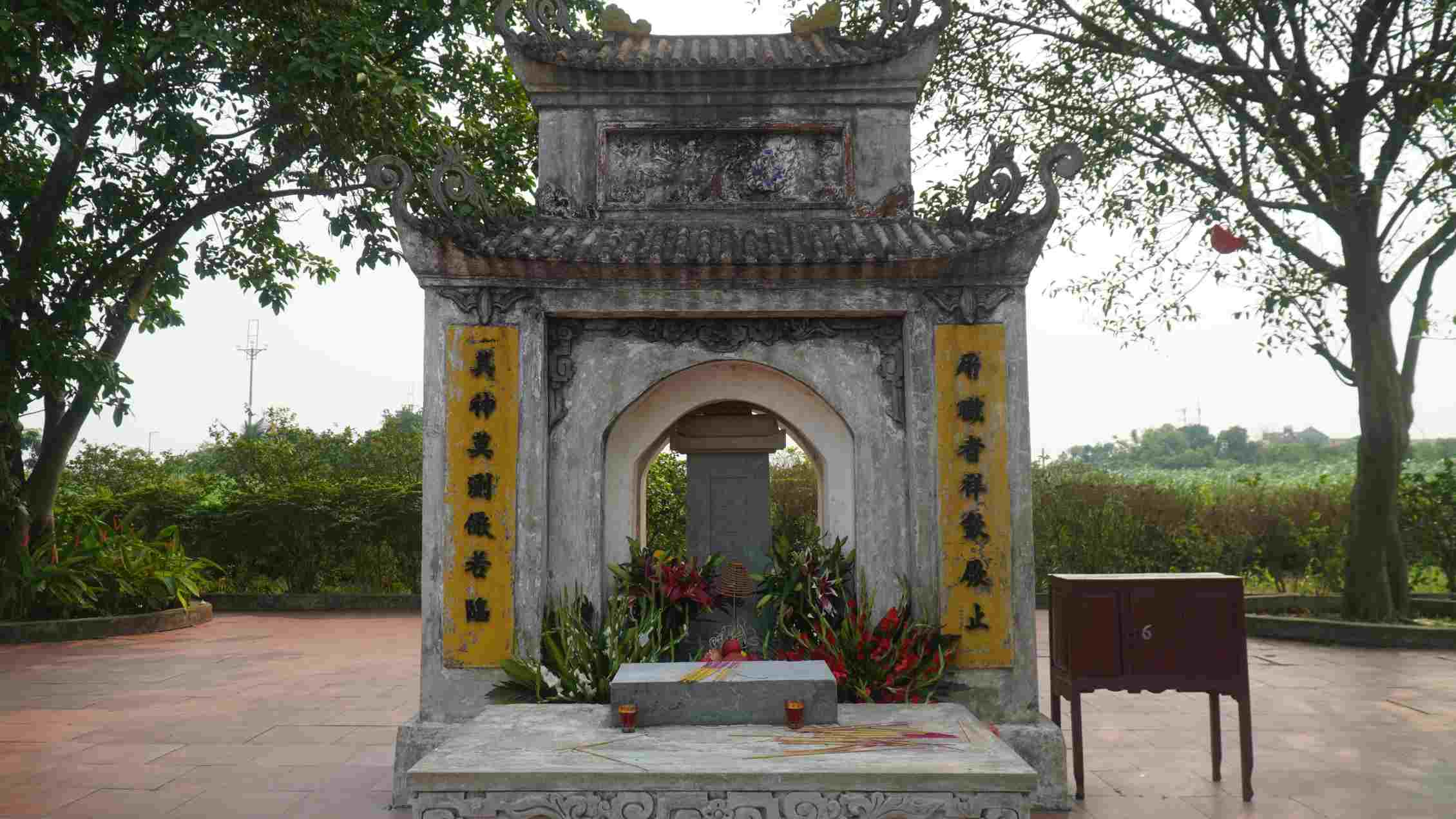
In the middle of the garden, there is currently a small shrine called "Incense Tree". Inside is placed an ancient stone stele engraved with the words: "Dong Thien Vuong Thanh Mau co trach", affirming that this is the ancient residence of Thanh Mau. Next to the shrine is a large stone with convex lines, believed by the people to be the footprints of the giant god in legend.
Special historical and cultural values
The Phu Dong Temple complex is not only a place of worship but also a living museum of Vietnamese history and culture. The architectural system here clearly reflects the development through the periods, from Le Trung Hung to Nguyen, with many unique artistic styles.
The relic space is also associated with traditional festivals, typically Giong festival - one of the largest festivals in the Northern Delta region, which has been recognized by UNESCO as a representative intangible cultural heritage of humanity. This further affirms the special value of the relic complex in the spiritual life of Vietnamese people.
Through hundreds of years of existence, the Phu Dong temple relic complex still retains its majesty and sacredness, becoming an important destination in the journey to learn about national history and culture. Preserving and promoting the value of the relic is not only the responsibility of the locality but also of the whole society. This is both a place to preserve historical memories and a source of inspiration, nurturing national pride for today's and future generations.