
Create identity to step out into the world
Vietnamese fashion in recent years has had a turning point when many international stars chose "made in Vietnam" outfits to perform and appear at major events. However, these are just small projects of some designers (NTK). For Vietnamese fashion to go further, reach international level, and build a national brand, it will need a long-term strategy on honoring cultural identity, building a community development ecosystem from traditional fabric production to bringing Vietnamese stories and Vietnamese heritage into design.
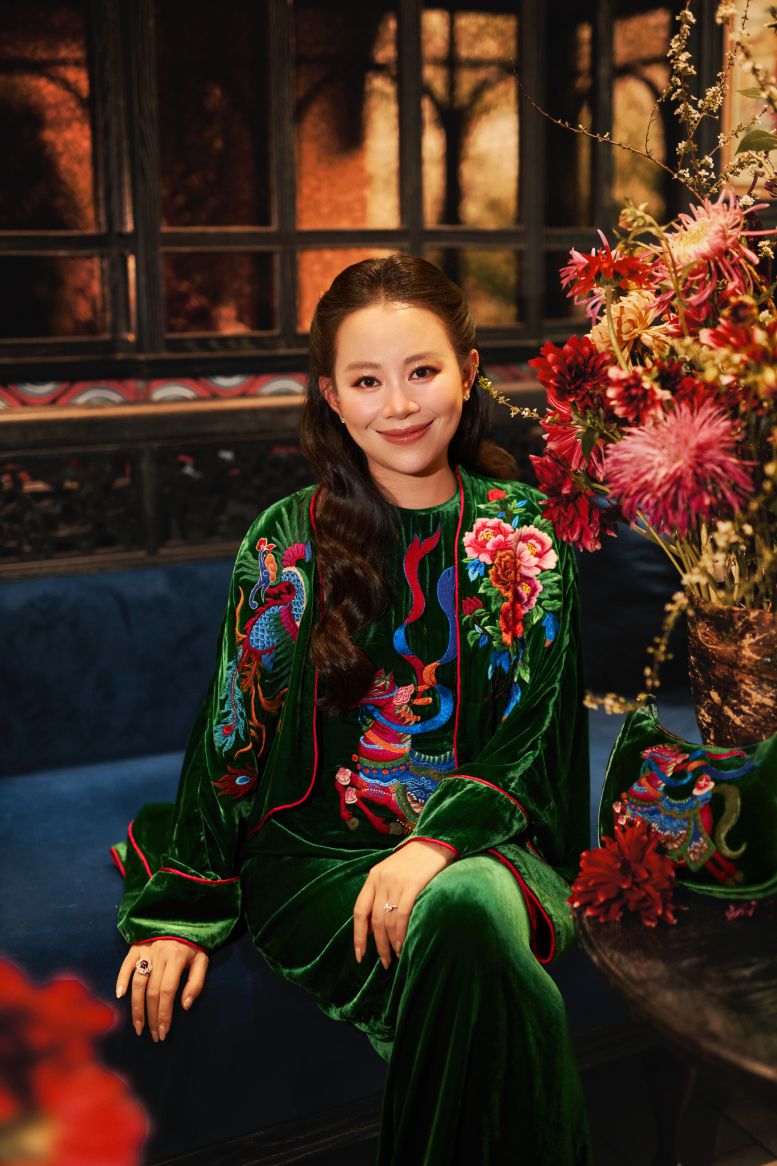
Designer Nguyen Tho Tho, specializing in hand-embroidered costumes, commented: Vietnamese fashion can only create its own identity when it is developed based on a foundation of traditional values associated with sustainability.
Reality shows that chasing short-term trends or mass production (fast fashion) is not a strength of domestic designers when compared to multinational corporations and major brands in the world. Instead, exploiting natural materials, handicraft techniques from craft villages and incorporating heritage stories into contemporary design language is considered a feasible direction for Vietnamese fashion.
This is not only a way to preserve culture, spread cultural beauty but also meets the standard of "responsible fashion" - a mandatory requirement of the international market today.
However, a major barrier to domestic fashion is the situation of design copying. To overcome this, investing in personnel needs to change thinking: Not only training tailoring skills but also fostering a cultural foundation and creative bravery. Personal imprints will form themselves, reducing dependence on foreign fashion models.
Despite many promotional efforts, Vietnamese fashion still lacks a strong enough "brand identity" on the regional map. Vietnam International Fashion Week, although maintained since 2014, its influence is still limited to the level of a temporary event, and has not created a deep connection with experts and international buyers.
Need to emphasize cultural factors
According to designer Song Toan, to build a national brand for fashion, especially Ao Dai, a set of standard criteria similar to ISO indicators (detailed, clear) in the consumer goods industry is needed.
The designer proposed 3 factors for Vietnamese fashion to elevate its cultural and heritage elements into a national brand, for example, "Ao dai needs to meet the standards of manufacturing techniques, that is, standardizing cutting and sewing techniques, stitching and sophisticated design proportions. Next, is the element of cultural content, that is, the ability to tell the story of identity with modern aesthetics. The final factor is the sustainability of the costume. We must prove the origin of environmentally friendly materials and preserve the value of artisans".
Ao dai currently plays the role of a "diplomatic ambassador" at international summits (APEC, ASEAN), but to become an industrial-scale export item, quality synchronization is needed. International customers need a guarantee that: Products with Vietnamese national brands naturally meet high-class standards in both material and design.
Designer Ngoc Han shares her views from the perspective of traditional Hanbok costumes of Korea. Hanbok costumes have been built a systematic image, widely promoted, when Hanbok enters Korean movies and music with stories and anecdotes imbued with culture. Ao dai in particular and Vietnamese fashion in general also need unique stories, imbued with cultural identity like that, and at the same time, need a promotion strategy to reach international level.
To make fashion and the cultural industry contribute 7% to GDP by 2030, according to designer Song Toan, the fashion industry needs to solve 3 core issues regarding supporting infrastructure. Currently, about 90% of fabrics still depend on imports. The re-planning of raw material areas such as Bao Loc, Van Phuc, Nha Xa silk and the application of technology to produce international standard silk are urgent requirements.
If there is no strict protection mechanism, creative designs will be eliminated by counterfeit goods right in the domestic market.
The fashion industry needs a synchronous supply chain from buttons, embroidery threads to packaging. Designers are currently "lonely" struggling in each small stage, instead of being supported by a professional supporting industry," designer Song Toan said.
The Government's policy of establishing Vietnamese cultural centers abroad and organizing international art festivals will be an important leverage. These can also become bridge points to bring Vietnamese fashion and Vietnamese ao dai into cultural and diplomatic events.
When the criteria for evaluating and selecting national brands in the fashion field are specified and the production ecosystem is consolidated, fashion truly becomes the pillar of the "green economy", bringing Vietnamese culture deeply into the global market.


