
Narrowing the gender gap, creating conditions for women and girls of ethnic minorities to develop comprehensively is one of the key goals that the Quang Tri Provincial Women's Union has persistently implemented in recent years. In the first six months of 2026, many activities under the Project "Gender equality and empowerment for women and girls of ethnic minorities in Quang Tri" (GEM Project) supported by Plan International Organization continue to be implemented synchronously, bringing positive changes in beneficiary areas.
Instead of just focusing on propaganda, the Project aims to equip knowledge, skills and create opportunities for women and girls to confidently participate in learning, working, developing themselves and contributing to the community.
One of the new points of the GEM Project is bringing digital technology and artificial intelligence (AI) into communication activities. In the first 6 months of the year, the Provincial Women's Union organized 9 training classes on AI application in communication for 225 teachers in the areas where the Project is implemented.
Through training classes, teachers are equipped with more knowledge and skills to use digital tools in building communication content, contributing to innovating education methods on gender equality, life skills and child protection in schools.
At the same time, the Association organized 2 training classes on skills to support learning experiences and reproductive health care for adolescents for 52 health officials, teachers and Association officials. This is a force directly accompanying girls at the grassroots level, helping them gain more knowledge and skills to protect themselves, take care of their health and develop comprehensively.
For ethnic minority girls, career orientation is particularly concerned. In the first 6 months of the year, the Association organized 9 career orientation classes for 180 members of the "Changing Leaders" Club. The classes help them gradually determine their abilities, interests, career orientation as well as build confidence in the face of future choices.
Not only career guidance, the Association also opened 10 life skills classes for 350 young women, focusing on contents such as communication, teamwork, behavior in life, problem-solving skills and building self-confidence.
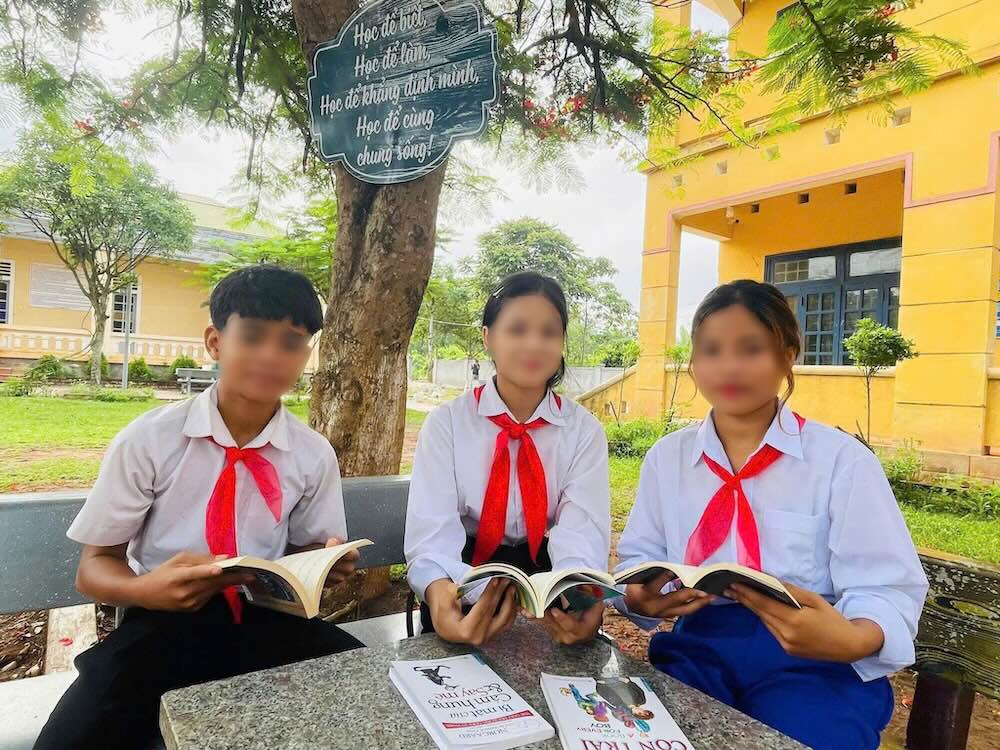
In particular, in the face of the increasing trend of labor migration, the Association organized 5 more training classes on finding job information and safe migration skills for young women aged 16 to 24 years old. These knowledge contributes to helping them proactively access job opportunities, limiting the risk of being scammed, human trafficking or labor exploitation when leaving the locality.
In addition to training classes, the Project also creates a playground for teenagers to directly participate in communication about gender equality. In the first 6 months of the year, the Association organized 9 communication events led by children themselves in schools. Through this, children expressed their views and shared messages about gender equality, violence prevention and building a safe school environment.
Five career-oriented communication events were also organized, attracting more than 1,000 teenagers to participate. This is an opportunity for students to access information about careers, labor markets and necessary skills in the context of digital transformation.
In order to protect children in the online environment, the Provincial Women's Union also organized a communication event on cyberspace safety in La Lay commune, helping students identify risks on the internet, improve skills in using social networks safely and responsibly.
To maintain long-term effectiveness, the Association supports 26 communication and activity guidance initiatives for CoC Clubs in 9 secondary schools in the Project area. The clubs become an environment for students to exchange knowledge, practice leadership skills, communication skills and spread the message of gender equality in schools as well as the community.
The synchronous implementation of many activities from training, communication to building learning models has contributed to gradually improving the position of women and girls of ethnic minorities in Quang Tri province. Not only creating opportunities to access knowledge, the Project also encourages women and girls to boldly promote their abilities, confidently affirm themselves, contributing to the effective implementation of gender equality and sustainable development goals in the locality.


