
Hoi An, Da Nang City - not only a world cultural heritage but also a model of a "creating government" that turned the water coconut grass in the end of the Cua Dai river, vegetable beds, and Tra Que garden into sustainable livelihoods.
By taking people as the center and protecting the environment of coastal salinity areas, Hoi An has helped thousands of poor households get rich, affirming the value of green tourism on the international map.
Green shield, creating sustainable livelihoods
In Cam Thanh commune, Hoi An, the story of Bay Mau coconut forest has created many inspirations for poor rural areas to learn from experience and replicate models to help people escape poverty sustainably.
Cam Thanh is originally the land at the end of the river at the head of the sea, where the three rivers Thu Bon, Truong Giang and Lo Canh Giang converge, and has faced many difficulties due to natural disasters. To prevent landslides after the flood season, people in this land have long gone to the Southwest to relocate water coconut trees to plant along the river. Initially, the growing area was only 7 hectares of land, so it was named " Bay Mau coconut forest". Seeing the positive effects of the coconut garden - blocking storms every sea storm season, preventing riverbank landslides - for generations to follow, the people here will protect and develop the water coconut garden to be increasingly large. Up to now, the total area is a few hundred samples.
In the past 20 years, coastal land in the Central region has become a golden land when the tourism economy is developing. However, instead of concreting or leveling to build luxurious resorts, or building new urban areas to divide and sell breakthrough budget revenue plots, Hoi An has chosen to keep land and forest.
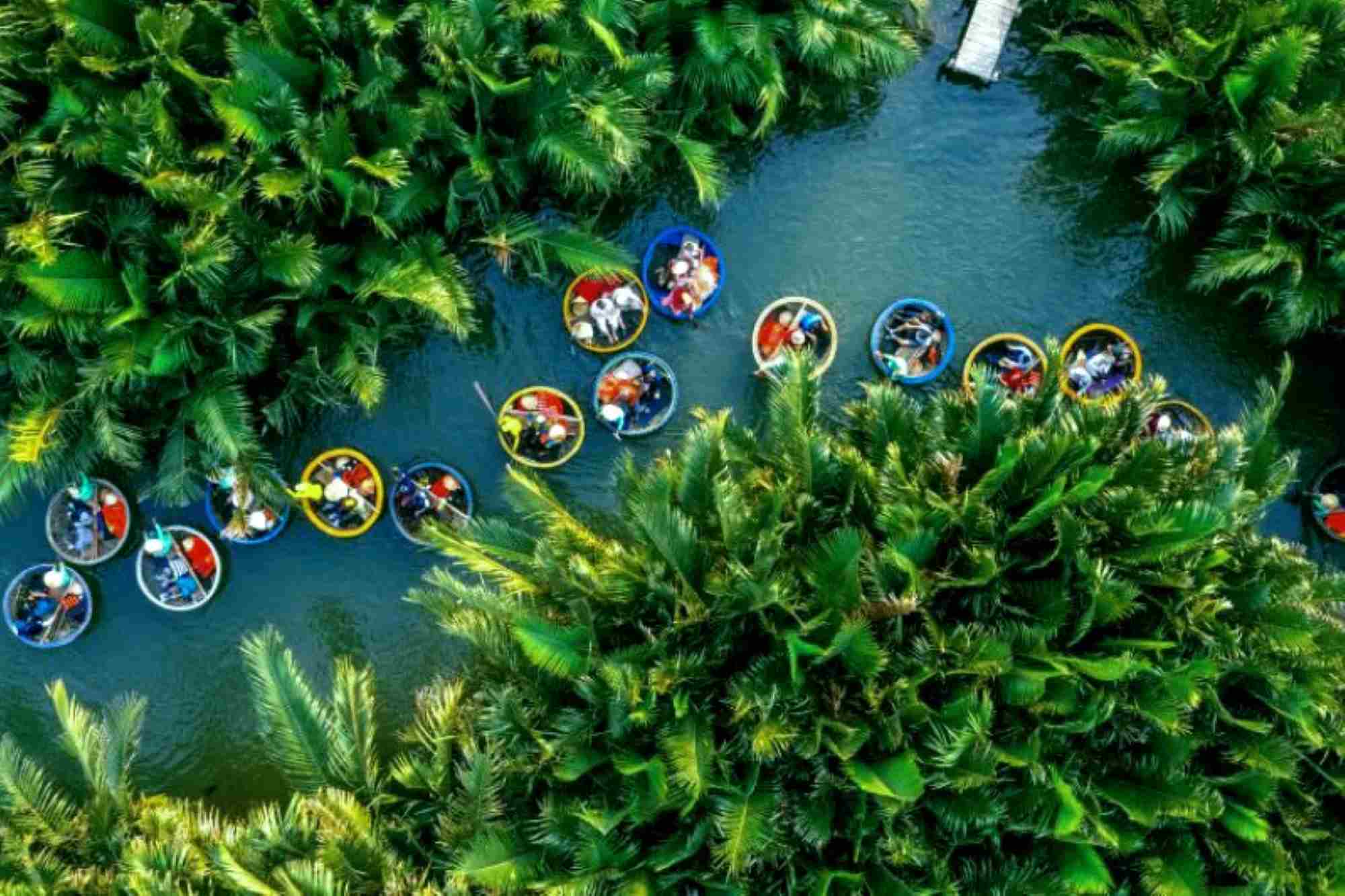
The ecosystem of Cam Thanh water coconut forest not only plays a natural "shield" against storms and floods, but also an environment for raising seafood. It is this natural foundation that has been transformed into a unique eco-tourism product. Helping Cam Thanh people live in peace and escape poverty. Even getting rich from their own homeland.
From a primitive fishing vehicle, the bottle has become a means of transporting tourists to experience the river, interspersed with a vibrant water coconut garden. People creatively apply the folk songs of Quang Nam, processing seafood in the lagoon area, creating unique tourism products. To date, the bottle has become an indispensable experience symbol for visitors to Hoi An.
Development here does not happen spontaneously but is led by the government. Cam Thanh Coconut Forest Bottle Service Cooperative was established with 460 members, managing nearly 1,400 baskets. Mr. Le At, a local commune member, shared that in the past, fishing or taking visitors to the river only earned tens of thousands of VND per day. Now, each customer can spend up to 300,000 VND for an experience.
The result of environmental protection thinking combined with tourism is nearly 1 million visitors per year. In particular, the Tripadvisor platform has ranked the basket boat experience here 19th in the top 25 most attractive boat activities globally in 2024. Most recently, Forbes magazine (USA) also honored Cam Thanh in 20th place in the 50 most beautiful villages in the world. Revenue from selling entrance tickets reaching about 170 million VND per day is a clear testament to the fact that people can live well and get rich on their homeland thanks to nature conservation.
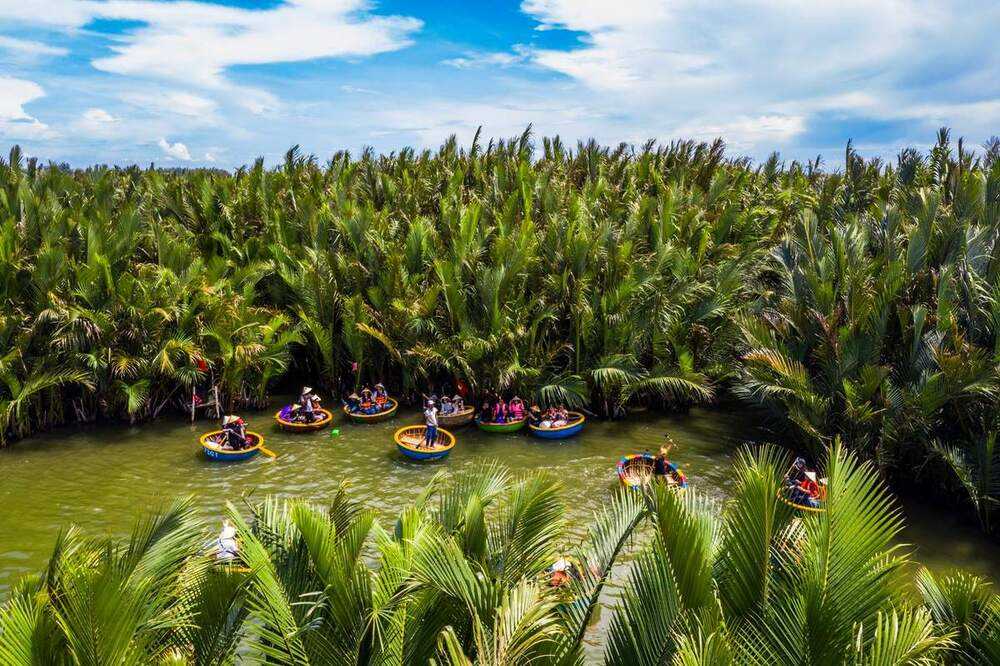
Not to mention that after more than 2 years of the Covid-19 epidemic, limited travel and "arrested" tourism, Cam Thanh people have returned to fishing, aquaculture and seafood exploitation in a purely agricultural manner. Although not rich, they are not afraid of hunger or lack of food. Therefore, it can be said that Bay Mau coconut garden is not simply about preserving a coastal mangrove forest. This is a testament to environmental protection associated with sustainable economic development for poor areas.
Creativity on the basis of heritage
Not only stopping at eco-tourism in mangrove areas, Hoi An has also succeeded in turning traditional craft villages into "The world's best tourist village". This is the result of a strategy to shift from administrative thinking to service and creativity thinking.
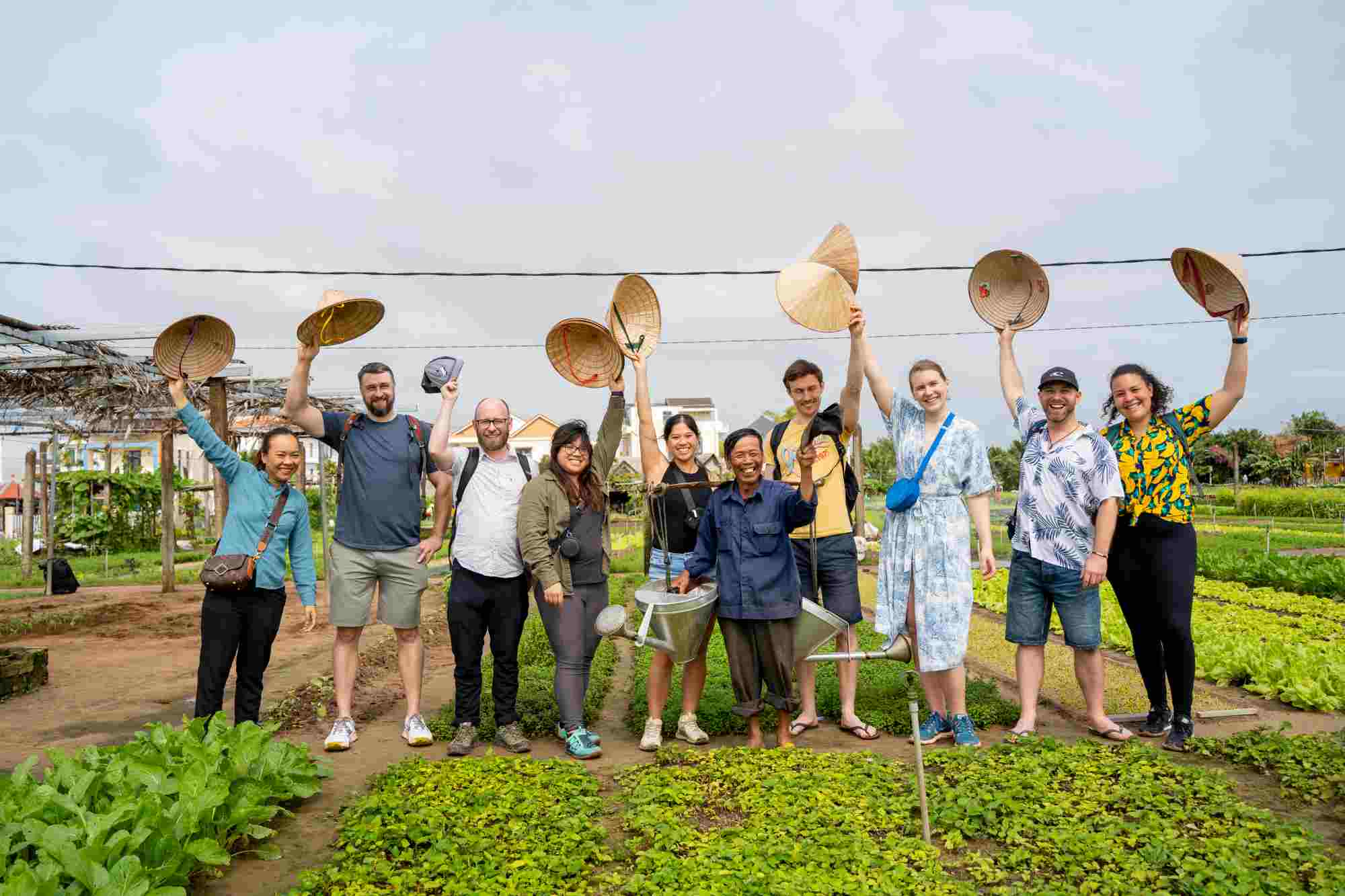
In Tra Que vegetable village, more than 200 households on an area of 18 hectares have no longer just sold simple vegetables. They sell a cultural story, a life experience. The fact that the United Nations Tourism Organization (UN Tourism) honored Tra Que as "World's Best Tourist Village in 2024" has affirmed the effectiveness of the sustainable community tourism model. With a ticket sales revenue of approximately 1 billion VND per year, farmers do not lose their fields but become "tourism ambassadors", confidently telling the story of their homeland.
The government's creativity is also demonstrated through the restoration of craft villages that seem to have passed away. Kim Bong carpentry village with over 500 years of age was once only in memories, but thanks to timely support in policies and vocational training, it has now revived strongly. Similarly, in Thanh Ha pottery village, artisans have switched from manufacturing household appliances to handicraft ceramics, combining them for visitors to experience directly. Currently, nearly 100 workers here have a stable income of 6-7 million VND/month.
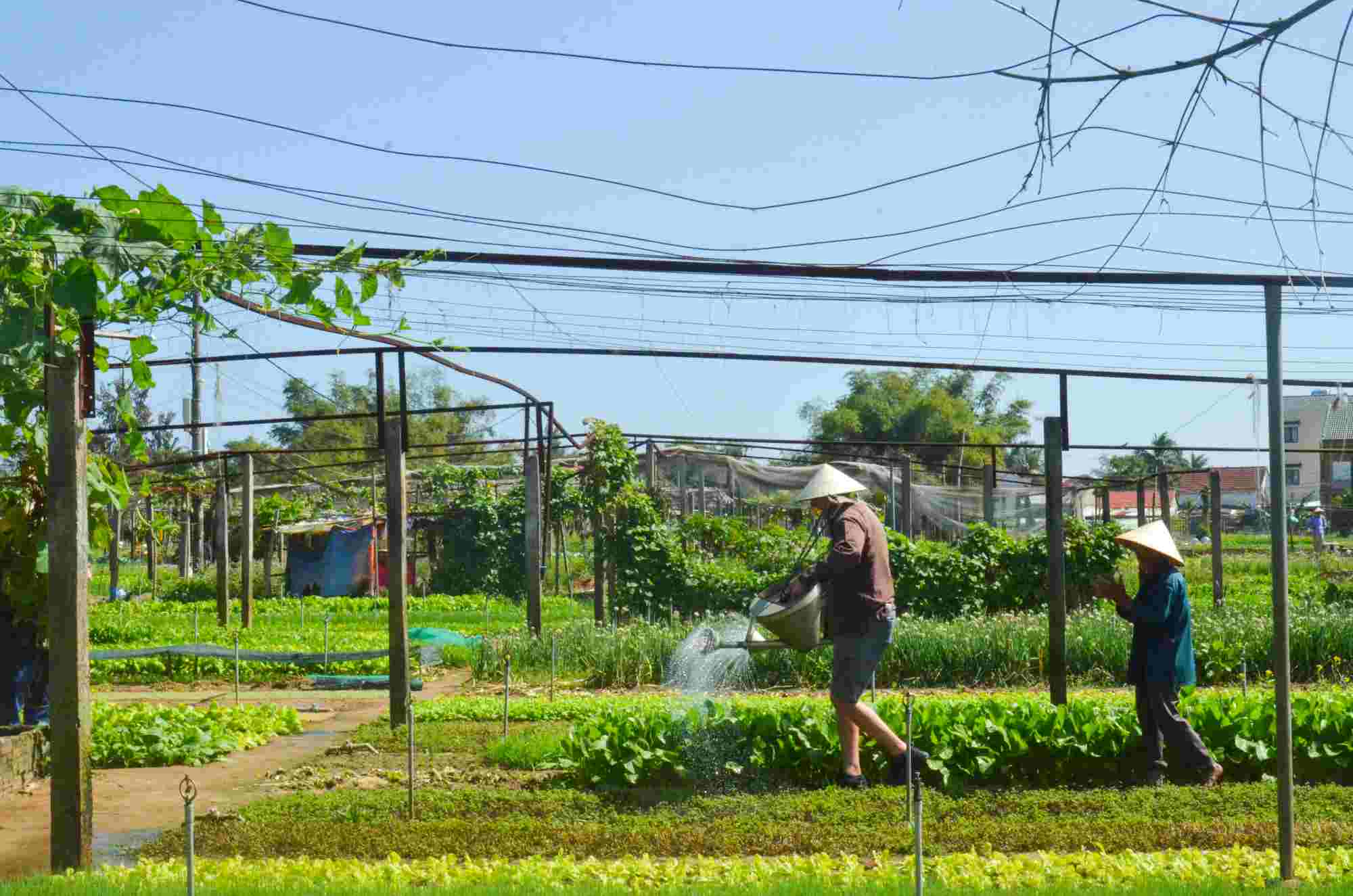
Former Secretary of Hoi An - Mr. Nguyen Su affirmed: "To be creative, the grassroots government must be creative. Opening up space for people to develop their profession, not only as a means of livelihood but also developing the economy, increasing income from old and used products".
It is difficult for tourists to determine why they love Hoi An, the reason why they return to Hoi An many times without getting bored. However, when asked about their emotions and memories of Hoi An, they told many stories.
Hoi An is not only beautiful in the old quarter - where there are hundreds of wooden houses, temples, shrines, Cau Pagoda, Hoi Nhan... but also attracts the suburbs, agricultural villages, and handicraft villages.
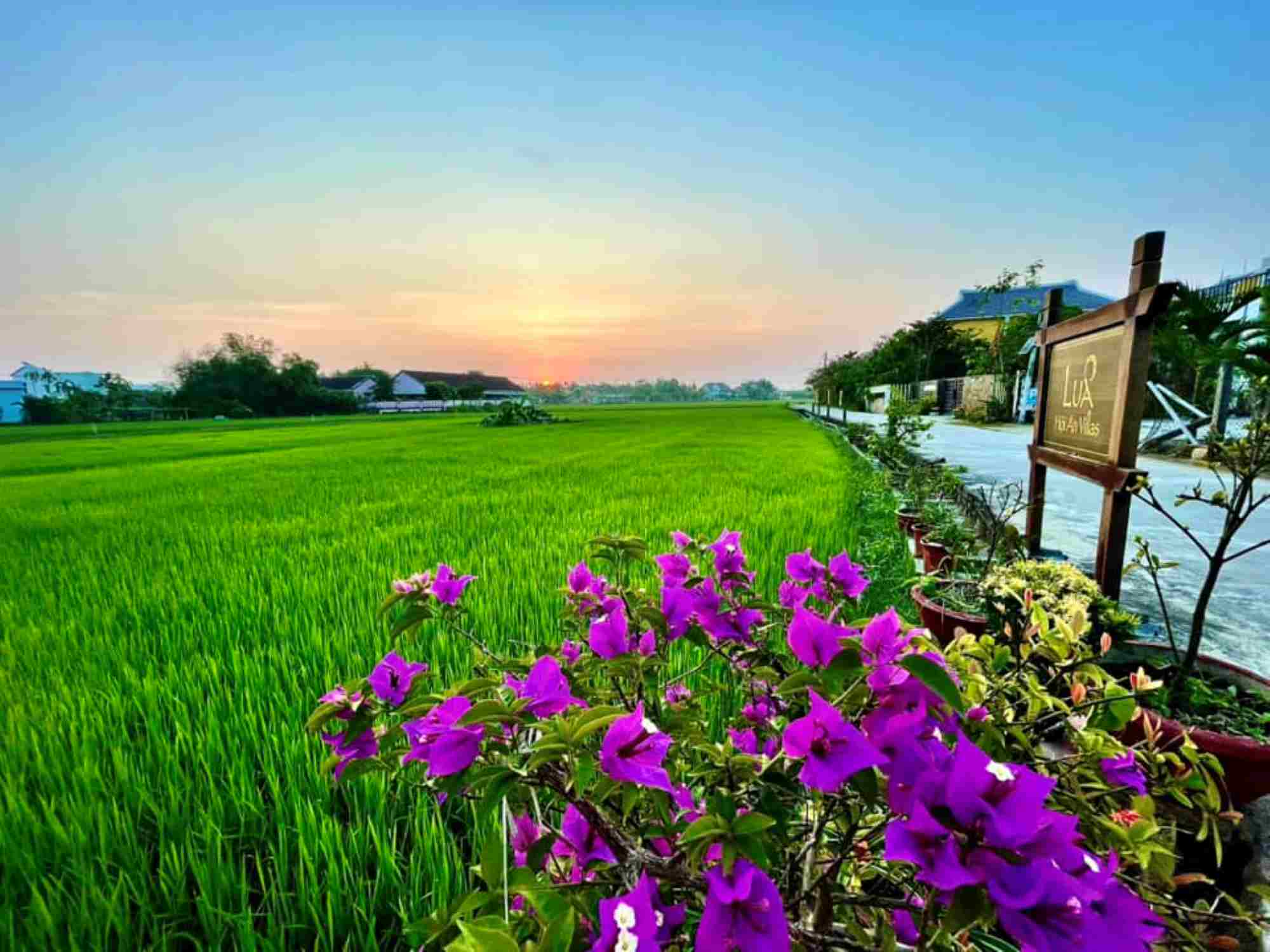
Hoi An people keep the village, and are happy to do traditional crafts, so they keep the charm and countryside. Tourists do not come to Hoi An, Da Nang to only relax in high-end hotels, to enjoy modern amenities, but are very excited when riding a bicycle to experience vegetable gardens and fields. Worked with your hands to grow rice, make grass, and ride buffaloes. Learning how to dig soil to grow vegetables, fish... and then processing together, enjoying the specialties of the countryside with farmers. These are new things, creating exciting emotions, marking unforgettable memories for the local people, intangible cultural features that have left a deep impression on tourists.
On the contrary, farmers have increased their income. From a ferry trip for only a few tens of thousands of dong, now tickets for tourists to experience shaking bottles are sold for up to 300,000 dong, all day long. That is not to mention that their family can also sell drinks, fruits, and specialties of Cam Thanh region. Vegetable growers do not mind bringing them to the market to exchange for tens of thousands, but those groups of vegetables share with tourists the steps from digging the soil, growing vegetables, taking care of water... to the dining table, earning millions of dong each day.
But the bigger thing is the way to preserve culture, preserve the countryside, the craft of handicrafts. And the important thing is to help people escape poverty sustainably, get rich from their old places.
Hoi An's success has sent a strong message: Development does not mean dismantling. Respecting the root cause, combining ecology and culture, environmental conservation and economic development is the most sustainable way to stabilize the lives of people in coastal and rural areas.


