Starting with building a database
In the context of increasingly complex climate change, Vietnam is facing many challenges in managing and protecting water resources. With a dense system of rivers and lakes, regulating, controlling and forecasting natural disaster risks that directly affect water resources plays an extremely important role.
Given the above issues, digital transformation and the application of artificial intelligence are considered the keys to improving the capacity to manage water resources in Vietnam. MSc. Chau Tran Vinh - Director of the Department of Water Resources Management, commented that science and technology will be a key tool to automate analysis and forecasting, improve the accuracy and speed of processing observation data from many sources.
One of the first steps is to build a digital platform that integrates Big Data and artificial intelligence (AI) to get high-quality input data. Dr. Trieu Duc Huy, Deputy Director of the National Center for Water Resources Planning and Investigation (NAWAPI) said that without a good source of data, no matter how modern the tools and systems are, they cannot operate effectively.
Monitoring water resources using IoT technology
Recognizing the need to promote the application of advanced solutions and technologies to effectively manage water resources, in the context of implementing Decision 432/QD-TTg dated March 24, 2021 on the Master Plan for the basic investigation of water resources until 2030, with a vision to 2050, the National Center for Water Resources Planning and Investigation (NAWAPI) has coordinated with specialized units to build a water resource monitoring system on the Internet of Things (IoT) platform "Made in Vietnam".
Since its operation, this system has allowed online monitoring of water levels, exploitation flows and water quality at projects licensed for exploitation of surface water, groundwater and seawater, with the goal of connecting, connecting and sharing data between 63 provinces and cities.
By April 2025, the system has received and managed monitoring data from a total of 910 underground water resource monitoring works and 6 surface water monitoring stations. Of which, about 30% of the number of water resource monitoring works have been upgraded with modern equipment allowing continuous monitoring and data collection in real time, including the entire Mekong Delta monitoring network with 273 works.
Experimentation at monitoring points such as Ca Mau surface water station, Hai Phong water supply and drainage system and Khanh Hoa underground water monitoring works... shows that IoT has been operating stably and continuously, providing accurate data on water level, flow and quality indicators, creating a solid foundation for analysis and management decisions.
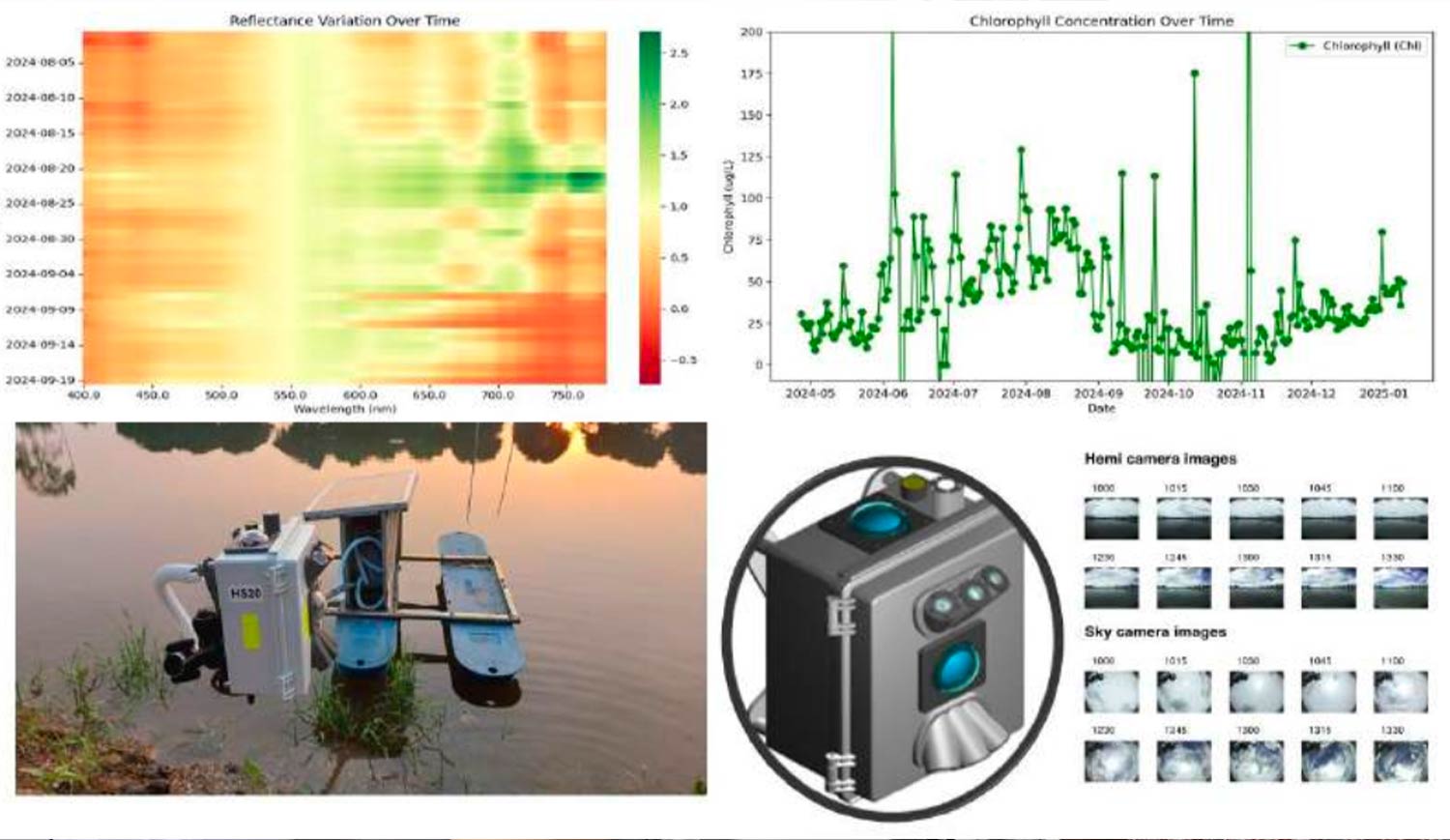
According to Dr. Trieu Duc Huy, Deputy Director of the National Center for Water Resources Planning and Investigation (NAWAPI), the implementation of monitoring on smart systems is a premise to continue promoting the application of digital technology, mastering core technologies.
technologies in AI, IoT or Digital Twin will continue to be promoted in monitoring, forecasting and coordinating water resources in real time.
At the same time, Mr. Huy said that he will continue to build a digital map of the risk of water shortage, to support proactive, scientific and effective water resource management. This is considered a premise, helping to implement and implement Resolution 57-NQ/TW on breakthroughs in science, technology, innovation and national digital transformation in the agricultural and environmental sector.