
In daily life, making children focus and listen is always a challenge for many families. After school, extracurricular activities and countless stimuli from electronic devices, many children easily fall into a state of distraction or slow reaction to their parents' words.
According to Dr. Charissa Chamorro - an expert in assessing and treating anxiety in children (Canada), instead of yelling or repeating requests, parents can change their way of communicating so that children cooperate more effectively.
Avoid providing too much information at the same time
Young children's brains can only process a certain amount of information at the same time. Therefore, making too many consecutive requests often causes children to forget or miss.
For example, instead of saying in one go: "Turn off the TV, go upstairs to change clothes, brush your teeth and then comb your hair to sleep", parents should break down each step to make it easier for children to accept.
Experts advise parents to guide them step by step. After the child completes one task, continue to remind them of the next step. This helps the child not feel pressured and is easier to cooperate.
Speaking briefly, clearly
Many parents have a habit of explaining too lengthily before making a request. However, children often lose focus very quickly if the conversation lasts.
Instead of talking nonsense, make a direct and specific request. For example, "put on sneakers, we're going to the playground" will be much more effective than a long explanation.
The short way of speaking helps children quickly understand what needs to be done and respond better.
Increase eye contact and gestures
Children will pay more attention when parents communicate with both words and actions. Looking into children's eyes, bowing to the same level, or gently placing hands on children's shoulders will help children feel the connection.
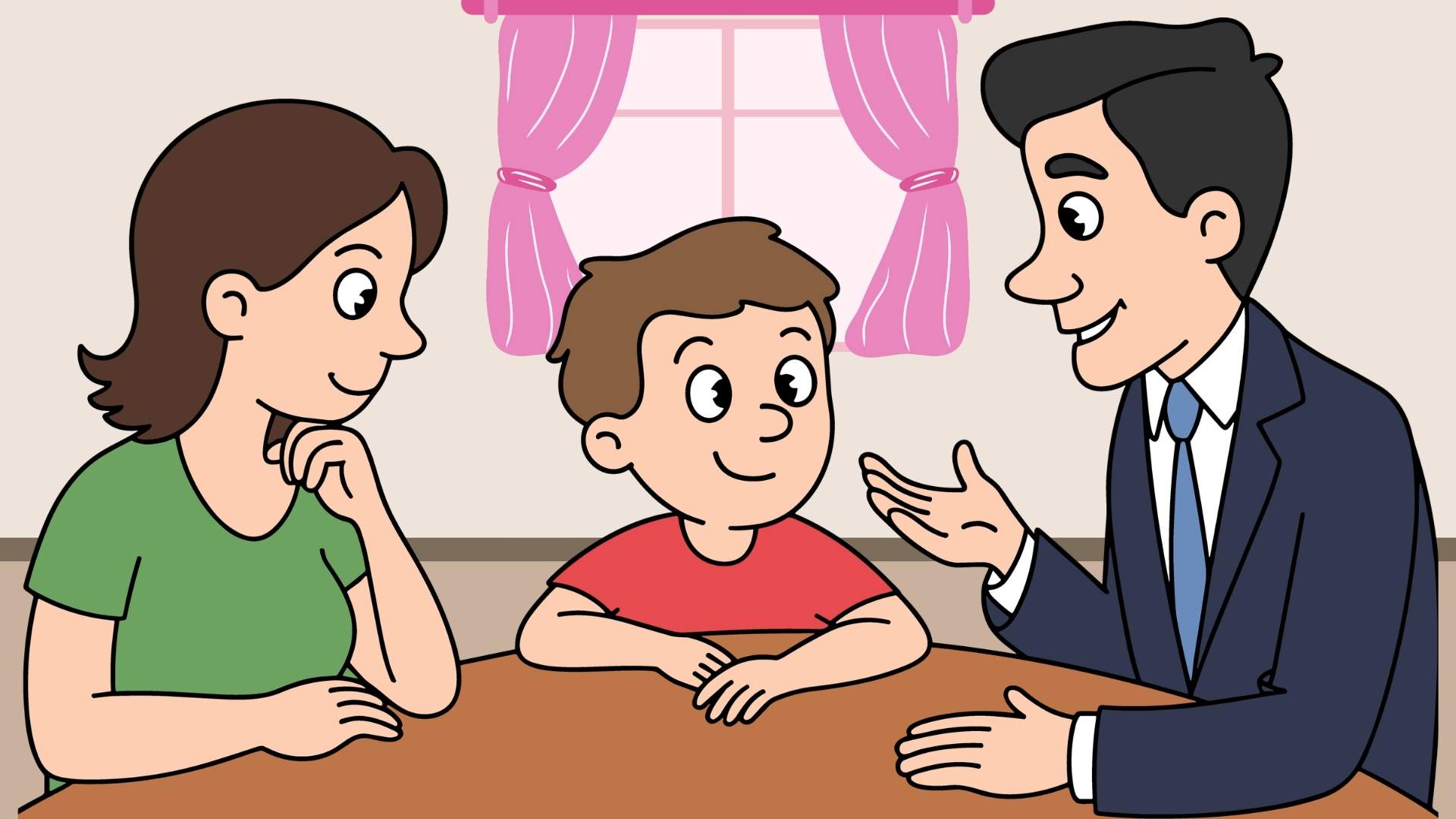
Some parents also apply the method of asking their children to repeat what they just heard to make sure the child actually receives the information. This is also a way to help children practice concentration and memory.
Don't repeat it too much
When parents continuously repeat a request, children may develop a psychology of "waiting to be reminded many times before doing it". Gradually, parents' words lose their validity.
For example, if children do not pack their toys after being reminded, parents can temporarily put them away for a certain period of time. Conversely, when children actively follow, give compliments to encourage positive behavior.

Turn listening into a game
After a long day of receiving too much information, children sometimes need more interesting experiences to train their attention.
Parents can listen to natural sounds with their children while walking, listen to birds singing, wind sounds or sing fun children's songs together. These simple activities help children learn to observe and focus better.
Turning listening skills into a fun experience also helps children receive positive communication instead of feeling forced.
Parents also need to learn to listen to their children.
According to experts, many parents often chat with their children while watching phones, TVs or doing other things. This makes children feel that adults are not really paying attention to them.
Young children are very sensitive to indifference in communication. When parents give their children full concentration, they will also learn to listen to others.
Although not every story of your child is important, maintaining eye contact, feedback and asking questions will help children feel more respected and understood in the family.
Experts believe that what children need is not scolding, but the feeling of being connected and listened to properly. When parents change their way of communicating, children will also gradually form a habit of cooperating and listening more actively.


