
Combine foods with rough and smooth textures
You should limit processed foods, and increase whole grains and beans such as oats, millet, and buckwheat in your diet. These foods are often rich in fiber, which helps slow down the digestion and absorption of carbohydrates, thereby supporting the control of blood sugar spikes and increasing satiety, limiting overeating.
Do not overcook.
When cooking rice or starchy foods, do not cook for too long, which will make the food too soft and mushy. Cooked foods are usually easier to digest, which can cause blood sugar to rise faster after eating. Therefore, you should choose a processing method that is just cooked, maintaining the integrity and natural texture of the food.
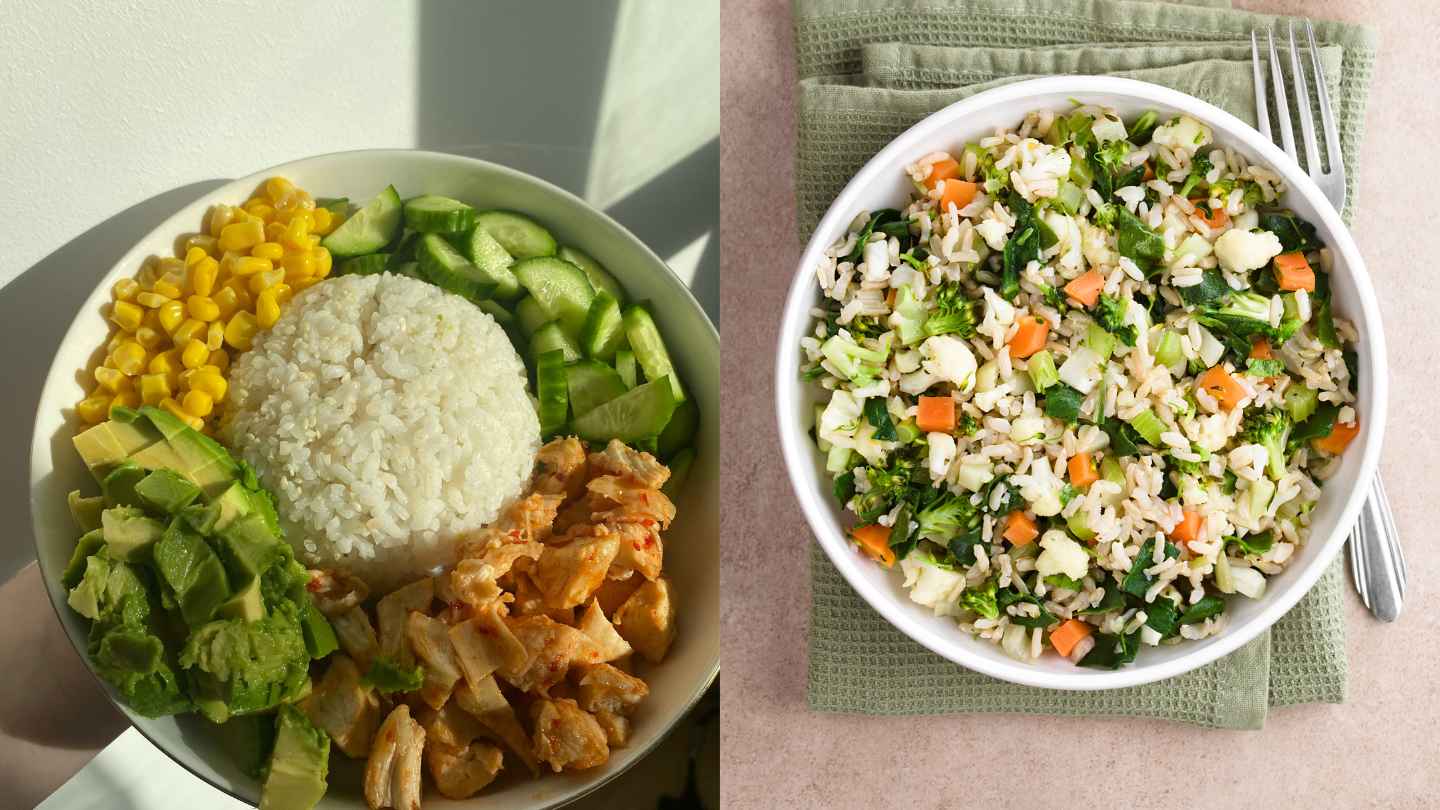
Pay attention to the order of eating
The order of meals can also affect blood sugar levels after meals. You can start with green vegetables or protein-rich foods, then eat starchy foods such as rice, noodles or vermicelli. This eating method can help slow down the rate of blood sugar spikes after meals.
Each type of food has a different glycemic index and nutritional composition. Therefore, instead of excessive dieting, a diverse diet should be built, prioritizing foods rich in fiber, protein and less refined carbohydrates, and paying attention to processing and eating order to support blood sugar control.
Besides choosing food, the portion size also needs to be adjusted appropriately. You should not eat too much in one meal, especially foods rich in starch and sugar. Instead, you can divide the portion size reasonably, combining starch with green vegetables and protein to make the meal more balanced.
After meals, maintaining light exercise such as walking is also a beneficial habit for blood sugar control. However, people with diabetes or using blood sugar lowering drugs need to build a diet and exercise that is suitable for their health condition, avoiding excessive changes.


