
When mentioning omega-3, many people often immediately think of fatty fish. However, according to experts, some familiar fruits also contain a small amount of alpha-linolenic acid (ALA) - a plant-based omega-3 form. A diet rich in ALA can contribute to improving cardiovascular health, supporting the maintenance of cell membranes and having anti-inflammatory properties.
| Fruit type | Outstanding nutritional value |
|---|---|
| Rich in fiber, potassium, vitamin C. | |
| A lot of vitamin C and plant protein. | |
| Good sources of unsaturated fat. | |
| Provide energy, carbohydrates. | |
| Low sugar content, high vitamins A, C. |
Porcelain banana: In 100g of porcelain banana, there is about 0.14g of ALA, a high level in fruits that are statistically high in plant omega-3 content. This fruit is rich in starch, fiber, vitamin C, potassium and can support the supplementation of magnesium and vitamin A.
About 100g of guava provides nearly 0.07g of ALA. Guava is rich in vitamin C and fiber, contributing to supporting digestion.
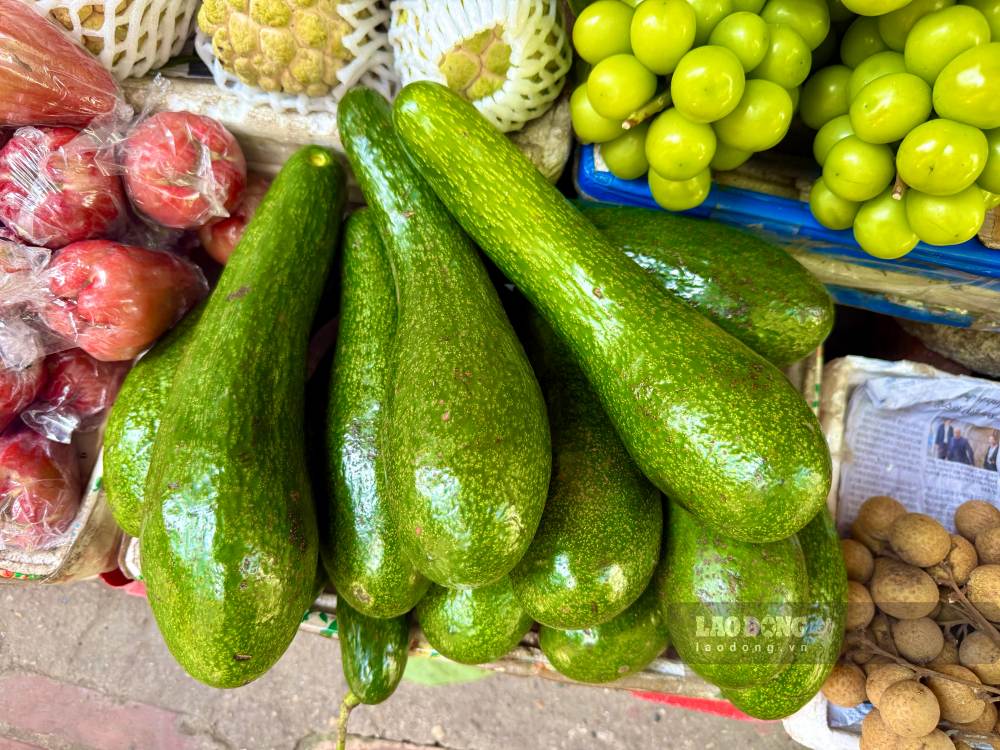
In 100g of avocado, there is about 0.07g of ALA. According to experts, combining avocado with unsweetened yogurt can help feel full longer. Avocado mainly provides unsaturated fats and can be used in a balanced diet. The nutrients in avocado can contribute to protecting the cardiovascular system and fighting inflammation.
About 100g of jackfruit contains nearly 0.05g of ALA. Ripe jackfruit provides carbohydrates, energy and many essential vitamins.
In 100g of papaya, there is about 0.03g of ALA. Although low in sugar, this fruit is rich in vitamins A, C, magnesium and calcium, contributing to maintaining overall health.
The information in the article is for reference only, not for medical diagnosis or treatment. You should talk directly to your doctor for accurate and appropriate advice to your health condition.
Quick quiz on plant-based Omega-3 (ALA)
Can the body use ALA from fruits to create EPA and DHA like omega-3 from fish?
The body can convert ALA to EPA and then to DHA, but only in limited quantities. Therefore, fruits and plant-based foods containing ALA should be considered part of a diverse diet, not an equivalent source of EPA and DHA from fish, seafood or algae oil.


