Prioritize whole-food nutrition
In the context of an ever-growing supplement market, many synthetic vitamins are advertised to meet 100% of daily micronutrient needs. However, according to experts, the human body still absorbs nutrients most effectively from natural foods. Eating a varied and balanced diet provides vitamins, minerals, fiber and bioactive substances that tablets are unlikely to replace.
Ms. Melisa P. Danho, Director of Nutrition Internship Programs at UTHealth Houston (USA), commented: The body absorbs nutrients from nutrient-rich foods much better than the thickness in supplements. Changing your eating habits and trying new foods can help increase micronutrients more naturally and safely.
Here are 5 easy-to-find foods that are suitable for the whole family
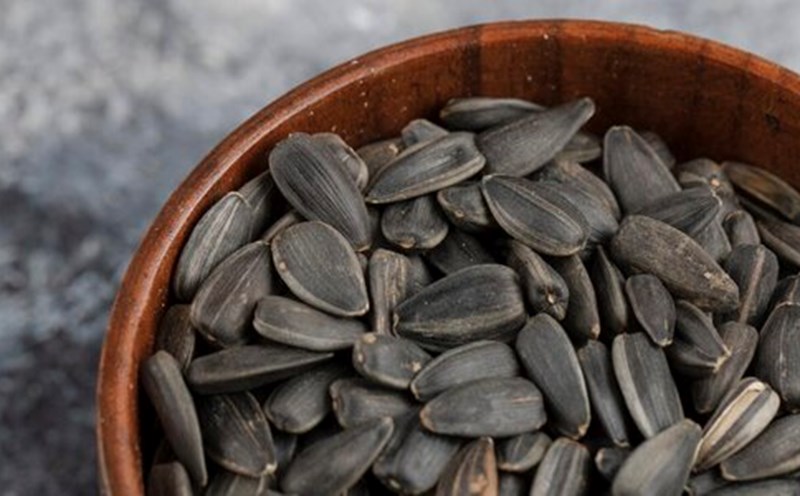
Sunflower seeds
With only 1/4 cup of unsalted sunflower seeds, the body can get about 80% of its daily vitamin E needs along with magnesium and fiber. According to expert Danho, many people often ignore the group of nuts in their menu: " tr value adding sunflower seeds to snacks or salads, this is a very simple way to supplement vitamin E and minerals".
Fruits and vegetables
colorful fruits and vegetables contain many phytochemicals such as lycopene in tomatoes, anthocyanin in berries or allicin in onions, compounds that are beneficial for the heart, anti-aging and help prevent cancer.
P Nutritionists and vegetables not only provide vitamin and mineral like supplements, but also fiber and water, which are important factors that supplements cannot provide, says prof.
Fatty fish
Salmon, sardines or herring are rich in omega-3, protein and many micronutrients such as selenium, zinc, vitamin B12. Research shows that eating fish improves cholesterol more effectively than using fish oil tablets.
Walnuts and nuts
Walnuts, chia seeds, flax seeds are rich sources of plant-based omega-3, and also contain fiber and protein. Petitpain emphasizes that this group of foods helps create a feeling of fullness for a long time and supports the heart.
Brown rice
Whole grains such as brown rice, oats, and quinoa provide vitamin B, magnesium, and many other nutrients that are often eliminated from refined grains. Brown rice combined with salmon, green vegetables or sweet potatoes creates a balanced, nutritious meal.
When do you need supplements?
According to Mr. Matthew Landry, Associate Professor of Public Health at UC Irvine University (USA), pregnant women, young children, the elderly or people on a special diet may need to supplement according to their prescription.
He warned: Supplements are not always safe. Some can interact with drugs or damage the kidneys and blood vessels. Before using, take a blood test and consult your doctor to determine if there is a real deficiency.
Experts agree that a varied diet is still the golden key to health, something that no supplement can replace.