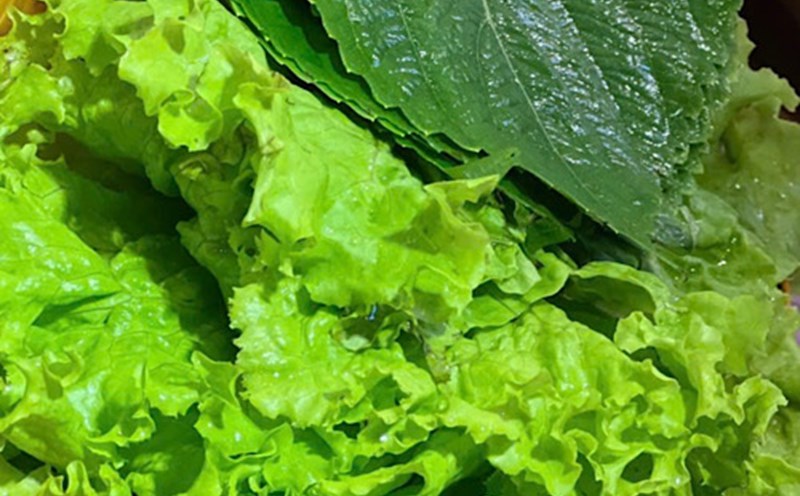
How does salad help stabilize blood sugar?
According to Dr. Geetika Chopra, raw vegetables are rich in fiber and have the ability to slow down the digestion and absorption of carbohydrates. When eating salads before main meals, fiber forms a natural barrier in the intestines, helping glucose enter the blood more slowly, thereby limiting blood sugar spikes after meals.
Fiber is like a'traffic policeman', regulating the glucose flow instead of letting it rush into the blood at the same time. This mechanism helps reduce pressure on insulin and improve the body's blood sugar response," she explained.
Not only that, eating salad before main meals also activates hormones that create a feeling of fullness, and at the same time slows down the process of emptying the stomach. As a result, starch is digested more slowly, energy is maintained stably and the risk of eating too much is also significantly reduced.
Diet and role in blood sugar control
According to Dr. Chopra, not only foods but also the order of eating and drinking also greatly affects blood sugar after meals. The simple but effective principle is to start meals with fiber, then protein and healthy fats, and finally eat starch.
Carbohydrates do not need to be eliminated, but should be eaten last. When applying this order, many people find that the post-eating glycemic index improves significantly, even if the diet does not change," she said.
In addition to salads, some other foods are also suitable for eating before main meals such as boiled eggs, tofu, paneer cheese, Greek yogurt, nuts, diluted vegetable soup or a small amount of diluted apple cider vinegar. These foods are rich in protein, healthy fats and fiber, helping to slow down glucose absorption and improve insulin sensitivity.
What kind of salad is good for blood sugar?
According to experts, an ideal salad should be made of non-starchy vegetables such as lettuce, cucumber, spinach, cabbage, carrots. You can supplement protein sources such as eggs, tofu, cheese or beans, along with a small amount of healthy fats such as olive oil or avocado.
Dr. Chopra noted that sweet sauces should be avoided because they can lose the blood sugar control effect of salads.
To limit sudden blood sugar spikes, nutritionists recommend starting meals with vegetables or salads, avoid eating individual starches, prioritize complex starches, drink enough water, eat on time and exercise lightly after meals, such as walking for about 10 minutes.