The feeling of craving food right after a meal is a familiar condition for many people, regardless of age or lifestyle.
For people who are controlling their weight or calculating their calorie intake, this phenomenon not only causes discomfort but also increases the risk of overeating. According to experts, the root cause often comes from erratic fluctuations in blood sugar.
Dr. Shubham Vatsya, a gastroenterologist and liver and bile specialist at Fortis Hospital, Vasant Kunj (Delhi, India), believes that the way we eat and drink every day plays a decisive role.
Mr. Vatsya shared 5 simple rules to help stabilize blood sugar levels, thereby limiting cravings after meals without cutting portion sizes.
According to Dr. Vatsya, when blood sugar continuously increases and then decreases rapidly, the body will fall into a state of stress, stimulating hunger and accelerating the aging process. Conversely, just adjusting the order of eating, how to combine food and exercise gently, blood sugar can be effectively controlled.
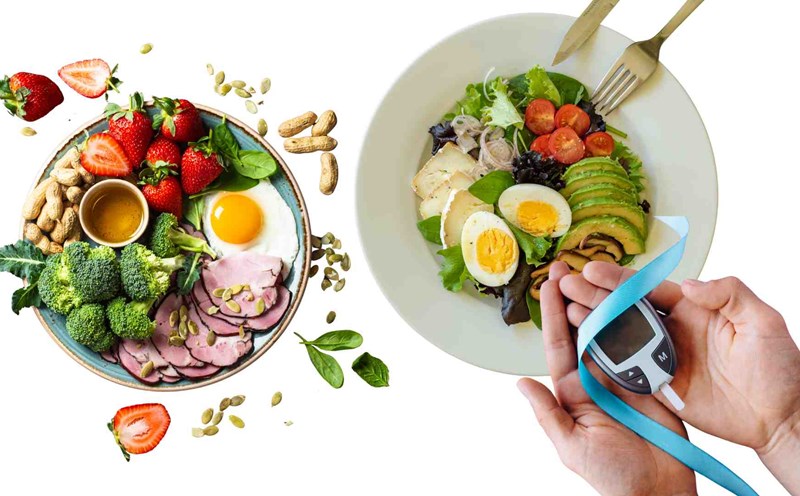
The first rule is to start the meal with fiber. Doctors recommend eating vegetables first, followed by protein, then fat, and finally starch. This sequence helps slow down the sugar absorption process, which can reduce up to 70% of post-eating blood sugar spikes.
The second rule is to avoid eating sugar on an empty stomach. Consuming sugar at this time causes blood sugar to spike for a short time, then quickly drop, leading to feelings of fatigue and intense cravings.
In the third rule, Dr. Vatsya emphasized that you should not only eat starch. Starch needs to be combined with protein and fat to slow down digestion, helping glucose to be released slowly into the blood, maintaining more stable energy.
The fourth rule relates to postpartum exercise. According to doctors, light walking for 10-12 minutes after each meal provides better blood sugar control than a long but distant workout session.
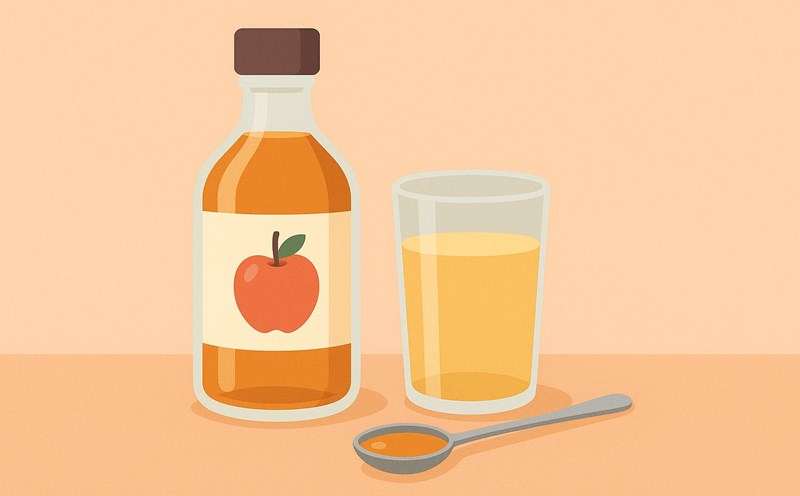
Finally, he suggested adding a spoonful of apple cider vinegar to the salad before meals. This small habit can help insulin reactions take place more "smoothly", limiting blood sugar fluctuations.
Dr. Vatsya affirmed that preventing sudden hypoglycemia is not complicated at all. It is important to maintain discipline in eating, monitor body reactions and build small but sustainable habits every day.
(The article is for reference only, not for professional advice. Always consult a doctor or medical expert if you have questions).