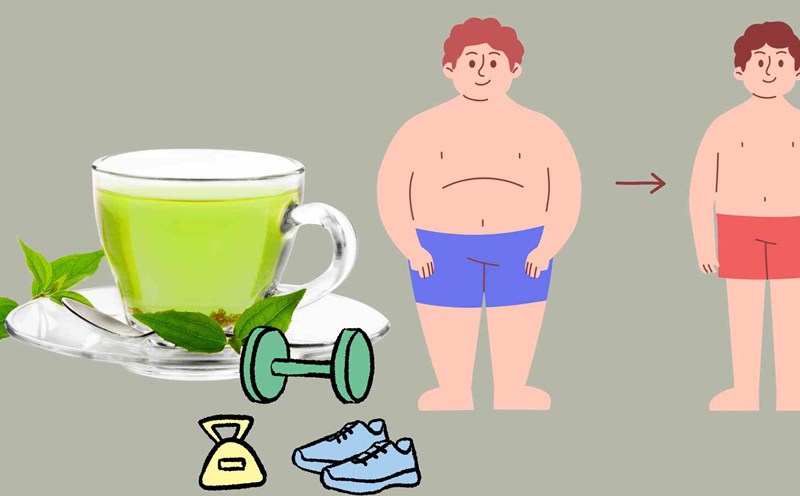
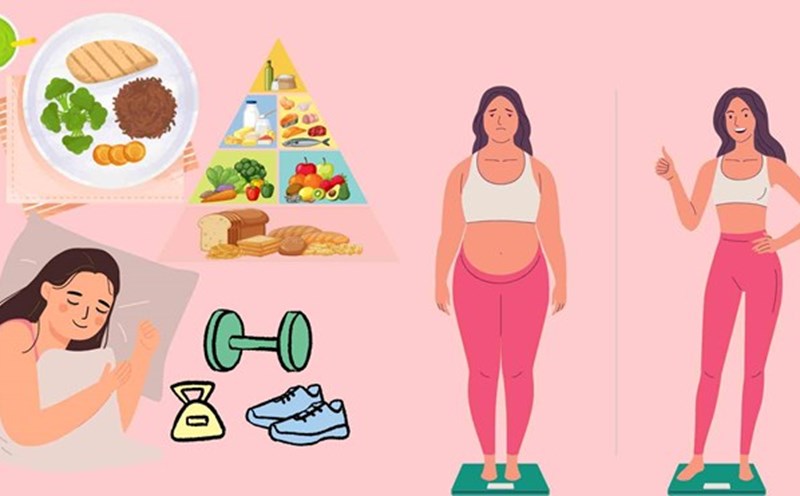
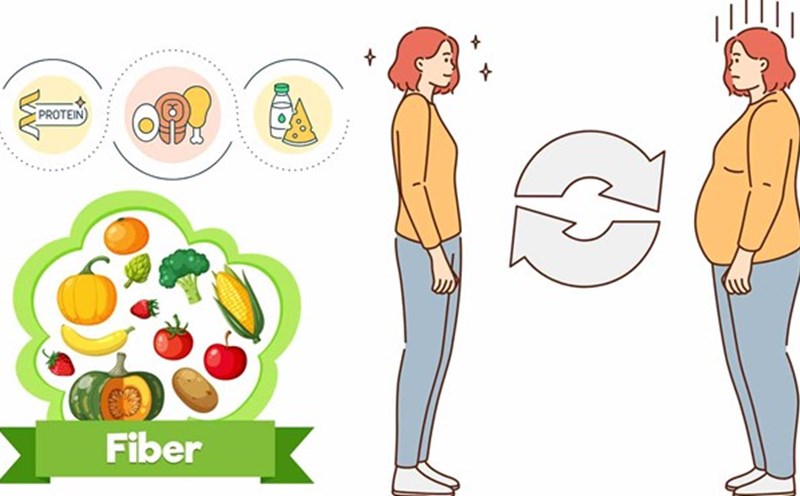
When exercising, the body increases muscle mass, thereby boosting metabolism even at rest and increasing the ability to burn fat.
When you lift weights regularly, you will gradually reduce fat (including visceral fat) and build more toned muscle tissue. Thanks to that, body composition changes significantly without having to cut out many calories.
Even without dieting, endurance training (such as weight lifting) can effectively reduce visceral fat in both obese and normal people. This is thanks to the phenomenon of "burning calories after exercise" - when the body continues to consume energy to recover after the exercise session.
Unlike cardio, which only burns calories during exercise, weight training helps the body continue to burn calories after finishing, thanks to excess oxygen consumption (EPOC).
The more muscle you have, the more calories your body burns each day. Muscles are tissues with stronger metabolism than fat, so the more muscle you have, the more energy you consume, even when lying relaxed on the coffee shop.
In addition, gaining muscle also supports the production of healthy hormones, which can reduce visceral fat. Muscles help improve hormone balance, reducing cortisol levels - a factor that can contribute to belly fat accumulation.