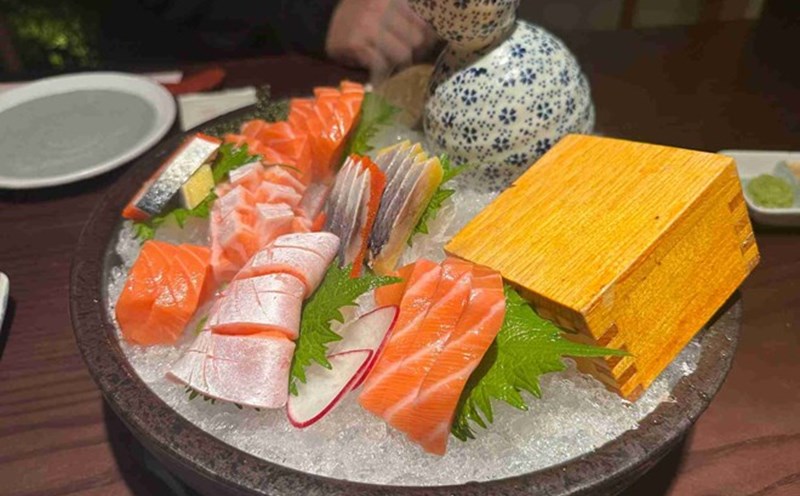
Tuna is a nutritious food, providing high-quality protein and omega-3 fatty acids that are beneficial for the heart. However, many people wonder whether to choose fresh tuna or canned tuna to optimize health benefits.
According to Ms. Suzanne Fisher, a registered dietitian (RD), Core Medical Group (USA), both types of tuna have good nutritional value, but the difference lies in the specific content and processing method.
Protein content
In terms of protein, fresh tuna and canned tuna do not differ too much. Each serving of about 85 grams provides from 16 to more than 20 grams of protein, equivalent to many other types of meat.
Fresh tuna, especially types like bluefin or yellowfin tuna, may be slightly higher in protein content. Meanwhile, canned tuna can reduce the amount of protein due to heat treatment.
However, this difference is insignificant and both are effective protein supplements.
Omega-3 depends on the type and processing
Omega-3 is an important factor when choosing tuna. Fresh tuna usually contains more omega-3, especially fatty fish such as bluefin tuna.
Conversely, canned tuna may have a reduced part of omega-3 due to the cooking process in production. With canned tuna soaked in oil, a part of omega-3 can dissolve into the oil and be lost if this oil is removed.
However, some types of canned tuna still provide significant amounts of omega-3, especially if stored properly.
Advantages and disadvantages of each type
Fresh tuna has the advantage of being low in sodium, low in processing and retaining many micronutrients such as vitamin D, vitamin B12 and minerals. However, the price is usually higher and may contain more mercury, especially in large-sized tuna.
Meanwhile, canned tuna is convenient, easy to store and has a lower cost. Some types also have lower mercury content, especially light tuna. However, the disadvantage is that it may contain more salt and higher calories if soaked in oil.
How much to eat is reasonable
Whether it is fresh tuna or canned tuna, consumption needs to be limited due to the risk of mercury accumulation. Usually, you can eat one to three servings per week, depending on the type of fish and the user.
Children, pregnant women or breastfeeding mothers need to pay special attention and choose the right type of tuna to ensure safety.
Notes
Fresh tuna and canned tuna are both good choices for health. If you prioritize nutrition and less processing, fresh tuna is a suitable choice. If convenience and thrift are needed, canned tuna still meets your needs well. The most important thing is to choose the right type of fish, eat it in reasonable amounts and combine it in a balanced diet.