
Method to destroy malignant cell cancer that almost does not affect healthy tissue
At the seminar "Japanese Preventive Medicine - Early Detection Solutions for Cancer, Cardiovascular Diseases and Active Health Care" within the framework of the 34th Vietnam International Specialized Medical and Pharmaceutical Exhibition, the International Exhibition of Pharmaceuticals, Medical Equipment and Health Care in Vietnam 2026, experts emphasized a strategic shift in medicine that no longer focuses on treatment, but towards comprehensive health management.
Accordingly, early screening plays a key role. When the disease is detected in the early stages, the chances of successful treatment increase, costs decrease, and the quality of life of patients is clearly improved.
At the seminar, Japanese experts shared that one of the technologies that attracted attention was boron neutron capture therapy (BNCT) - a granular radiation therapy method that can destroy cancer cells at the micro level. This is considered a new "weapon" against cancer, capable of destroying cancer cells in one radiation shot.
The mechanism of BNCT is quite special: drugs containing boron are introduced into the body and selectively accumulate in cancer cells. When neutron irradiation occurs, the reaction occurs right in the cell, creating high-energy particles but only moving within a few micrometers - enough to destroy malignant cells without affecting healthy tissues.
Unlike traditional radiation therapy that requires many courses, BNCT can complete treatment in just one radiation course.
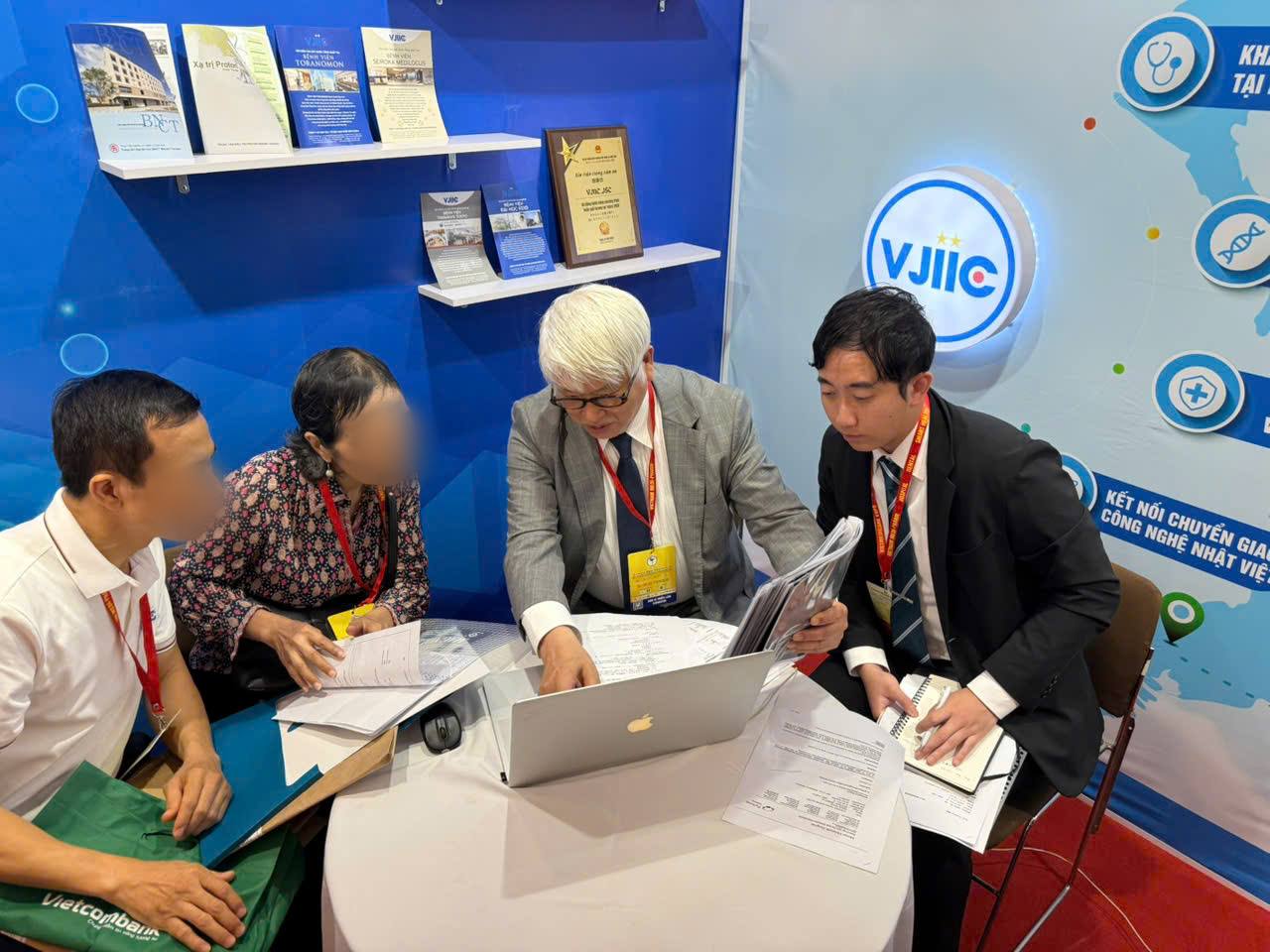
Professor Yoshihiro Takai (Minami Tohoku CT Research Center - Japan) said: "We can put very high doses of radiation into tumors but still limit damage to healthy tissues, thanks to the dose difference of up to about 10 times.
Real data after 5 years of implementation shows that the response rate reached about 72%, of which 45% of patients achieved complete response. The survival rate after 1 year (squamous cell carcinoma) is 79%. This is a noteworthy result, especially in the group of cancers that recur or cannot be operated on.
Proton radiation therapy: Accurate to the millimeter
In parallel with the BNCT method, proton radiation is also an important pillar in modern cancer treatment.
Unlike X-rays, protons can accurately concentrate energy at the tumor site thanks to their "bragg peak" characteristic, almost not damaging the posterior tissues. This helps reduce side effects and allows increased treatment doses.
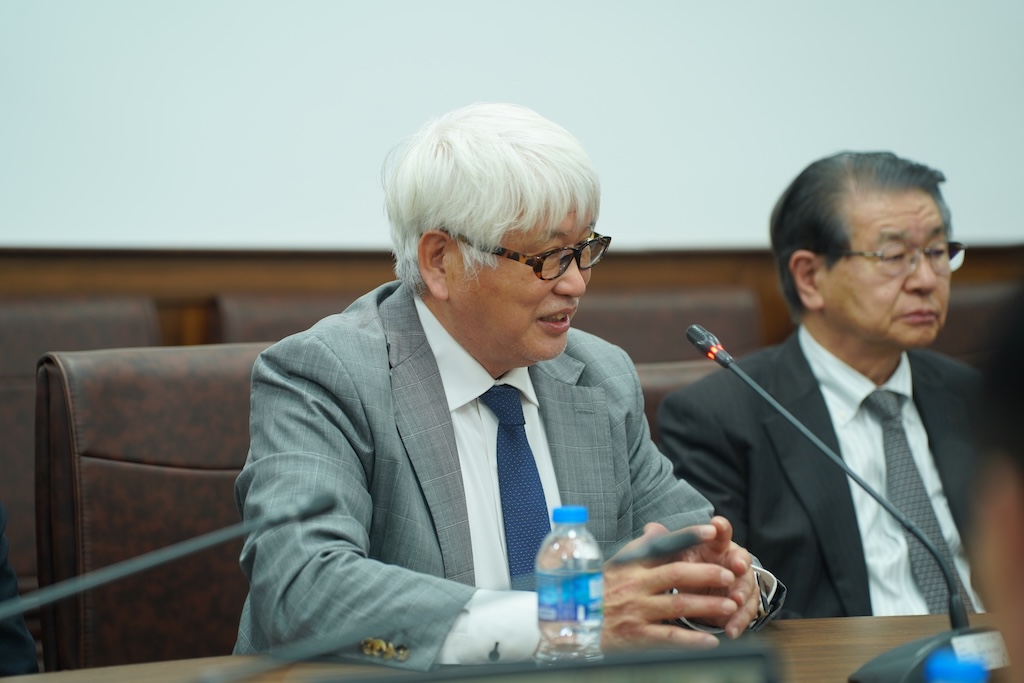
Professor Masao Murakami - Director of Proton Treatment Center, Minami Tohoku Hospital (Japan) shared: "Proton radiation therapy opens up the possibility of non-invasive treatment, even for cases that could not have been surgically treated before.
With more than 8,600 patients treated, this method shows efficacy equivalent to surgery in some early-stage cancers, and is also expanded for complex cases.
The problem for Vietnam: Don't wait until the disease is severe
Japanese medical experts recommend that, despite the increasingly modern treatment technology, the decisive factor is still early detection.
The question that many people are concerned about is when BNCT is indicated? According to Japanese experts, this method is indicated for: shallow tumors (effective depth of about 8 cm); Recurrent cancer, surgery is not possible; Patients with good physical condition, pain and infection controlled; No severe cardiovascular disease or special implants.
Currently, in fact, many patients in Vietnam are still diagnosed with cancer at a late stage, causing limited treatment effectiveness and increased costs. This shows a large gap in preventive medicine.
Learning from the Japanese model – combining periodic health check-ups, early screening and personalized treatment, is considered a necessary direction.
According to Mr. Do Quang Ba - Chairman of the Board of Directors, General Director of Vietnam Japan Medical Cooperation Joint Stock Company: "Currently, some Vietnamese patients have been supported by the company to be taken to Japan for treatment using this advanced medical technology, achieving efficiency. However, we want to connect between Japanese medical facilities to transfer this technology to apply in Vietnam so that in the near future, patients who do not have many economic conditions can still be treated with this method right in Vietnam".
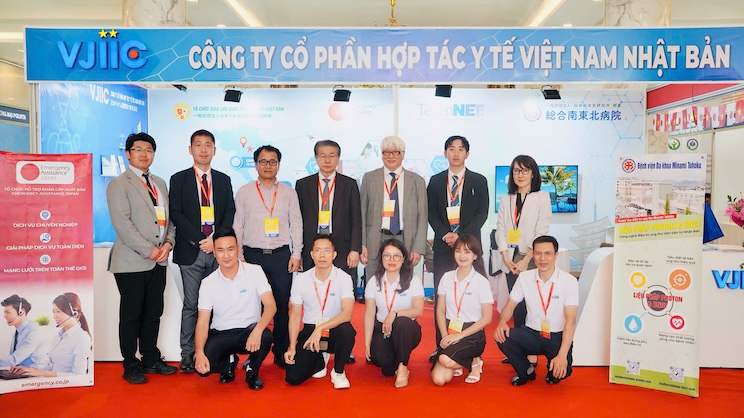
Not only stopping at technology, the biggest message from the seminar is to change health care thinking: from passive to proactive. Early detection - timely intervention - accurate treatment, that is the core value chain that helps reduce the burden of disease and improve the quality of life.
If it is not addressed from the "root" of preventive medicine, then no matter how modern the treatment technology is, the healthcare system will still be under increasing pressure.


