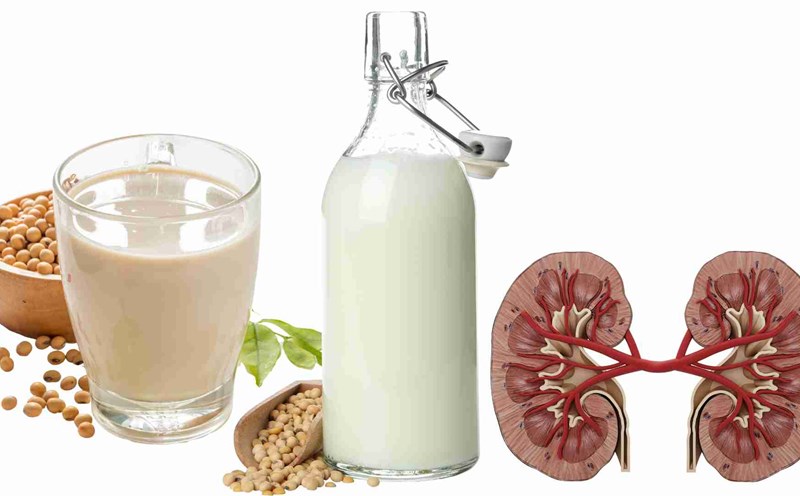
Soy milk is increasingly favored as a substitute for cow's milk, especially in people with lactose intolerance or following a vegetable diet. According to nutritional overviews and clinical studies, drinking soy milk every day can create many positive changes for the body, but not everyone is suitable.
Benefits have been recognized by science
Soybeans contain isoflavones, a plant compound with a structure similar to estrogen, and also have antioxidant and anti-inflammatory properties. According to nutritionist Aviv Joshua, Master of Nutrition Sciences, Registered Dietitian Nutritionist in the United States, isoflavones such as genistein help neutralize free radicals, thereby contributing to reducing chronic inflammatory reactions, factors related to cardiovascular disease and metabolic disorders.
Many studies show that soy milk can improve blood lipid profiles. Soy protein and isoflavones help reduce low-density lipoprotein (LDL) cholesterol and support increased high-density lipoprotein (HDL) cholesterol. In addition, the naturally low saturated fat content makes soy milk a beneficial choice for the heart.
Soybeans have also been proven to support blood pressure and weight control. Thanks to being rich in plant-based protein, soy milk helps create a feeling of fullness for a long time, supports energy intake control and improves insulin sensitivity. In menopausal women, isoflavones can contribute to reducing hot flashes and limiting bone loss.
Notes when using daily
Although generally safe, soy milk is not suitable for people allergic to soybeans. Some people may experience mild digestive disorders. According to recommendations from the American Cancer Institute, consuming 1-2 servings of soybean food per day is considered suitable for healthy adults.
Pregnant women, people with thyroid disease or a history of breast cancer should talk to a doctor before using it regularly. Experts emphasize that soy milk should be part of a balanced diet, not the only solution for health.