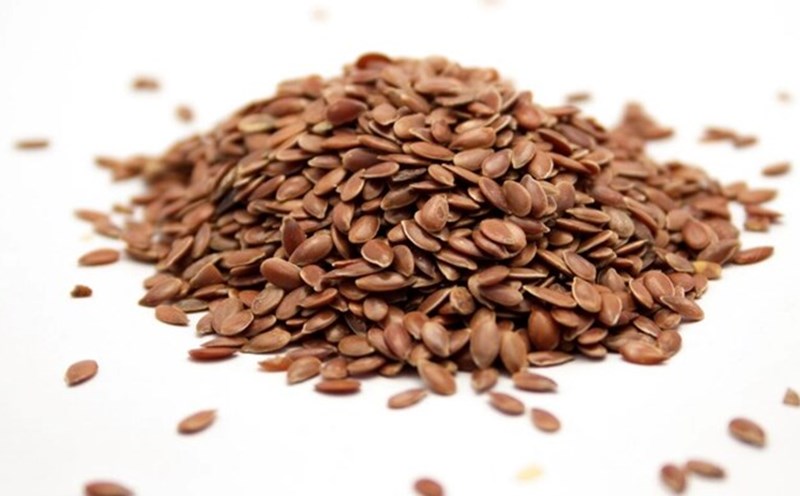
In recent years, flax seeds and sesame seeds have appeared more and more in the kitchens of Vietnamese families, especially those who are interested in healthy eating. Both are rich in nutrients, but if you consider omega-3, a key factor for cardiovascular health, flax seeds are considered a superior choice.
Flax seeds, omega-3 champion from plants
According to the article of nutritionist Morgan Pearson, Master of Science, registered nutritionist (USA), flaxseed is one of the richest plant sources of alpha-linolenic acid (ALA), an omega-3 form that is beneficial for the heart. About 50 - 60% of the fat in flaxseed comes from ALA, creating an ideal balance between omega-3 and omega-6.
Many studies show that regularly supplementing flax seeds can help reduce "bad" LDL cholesterol, limit inflammation and support blood vessel wall protection. Dr. Emily Stone, a cardiovascular nutritionist at Cleveland Clinic (USA), said: "For vegetarians or those who eat less fish, flax seeds are a valuable source of plant-based omega-3 for cardiovascular health.
Not only that, flax seeds are also rich in soluble fiber, which helps improve digestion, stabilize blood sugar and support cholesterol control. The lignan compounds in flax seeds act as antioxidants, which are linked to reducing the risk of some hormone-related cancers.
Gai oil seeds, strong in protein, moderate in omega-3
Compared to flaxseeds, millet seeds also contain ALA but at a lower rate, only about 15 - 26% of the total amount of fat. However, this is still a healthy source of fat, contributing to supporting cardiovascular health when used appropriately.
The outstanding strength of sesame seeds lies in protein. They contain all the essential ripe amino acids, becoming a complete source of high-quality protein, suitable for vegetarians or people in need of muscle recovery. In addition, sesame seeds also provide many minerals such as magnesium, iron, zinc and fat-soluble vitamins.
In terms of digestion, pineapple seeds have a lower fiber content than flaxseeds, but still contribute to supporting gut health and reducing inflammation.
Which type should you choose for family meals?
If the main goal is to protect the cardiovascular system and enhance omega-3s, flaxseeds are a priority choice. Conversely, if you need to supplement high-quality plant protein, spinach seeds prove to be more suitable. In fact, these two types of seeds do not rule out each other but can be supplemented with each other in the daily diet.
Experts recommend using ground flax seeds for better absorption, sprinkle on yogurt, oatmeal, or smoothies. Gai oil seeds can be eaten directly, added to salads, cereals, or ground into sauces.
Healthy eating is not about chasing after a "superfood", but about balancing and understanding the true value of each type. With flaxseed and sesame seeds as well: choosing the right needs, using the right way, benefits will come in a sustainable way.
It's a bit of a bit of a bit of a bit of a bit of a bit.