
Cancer treatment is changing from the root
From treatment according to a general protocol to choosing methods based on the biological characteristics of each tumor, cancerology is entering the era of precision medicine. Advances in immunotherapy, nuclear medicine, molecular biology, gene sequencing and artificial intelligence (AI) are opening up more life opportunities for patients.
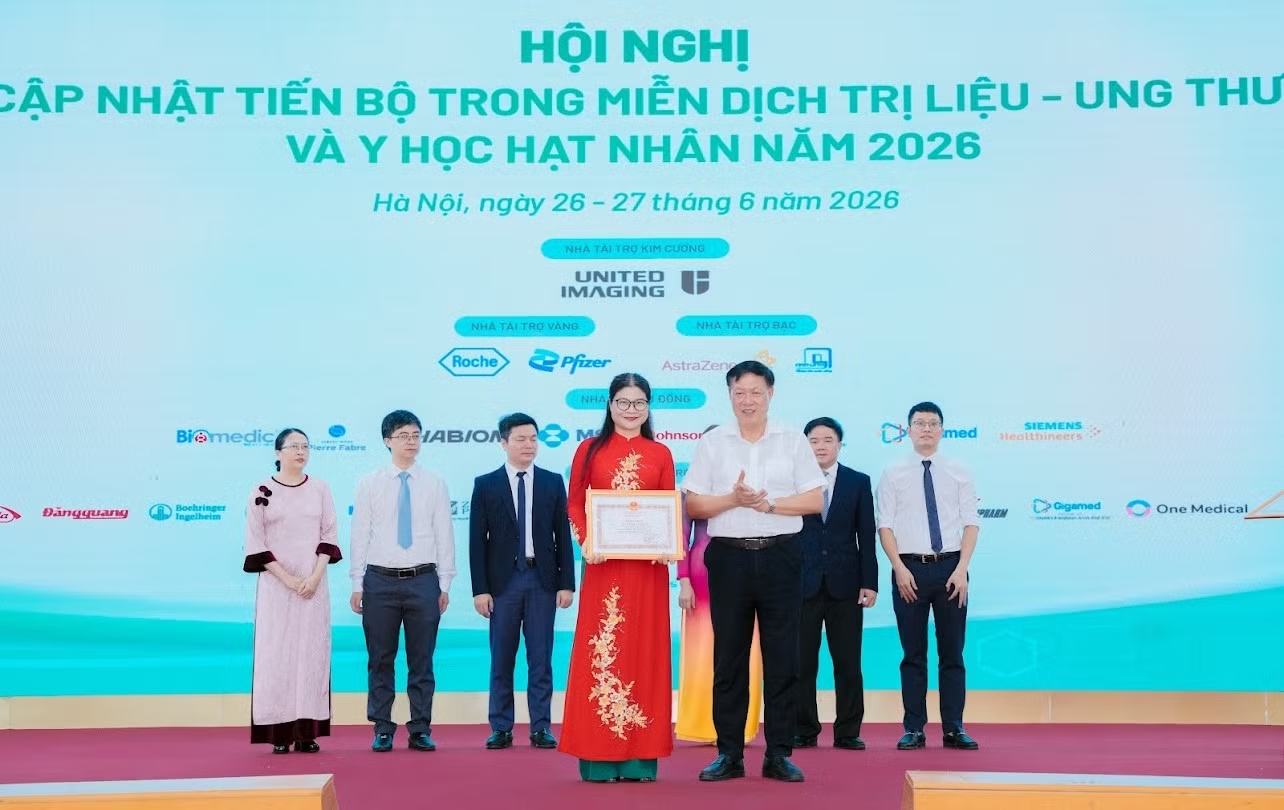
At the International Scientific Conference "Updating advances in immunotherapy - cancer and nuclear medicine 2026" organized by Bach Mai Hospital on June 27, Deputy Minister of Health Do Xuan Tuyen affirmed that this is an inevitable direction to improve the effectiveness of cancer treatment.
According to GLOBOCAN, Vietnam has more than 182,000 new cases and over 122,000 deaths from cancer each year.
Assoc. Prof. Dr. Dao Xuan Co, Director of Bach Mai Hospital, said that cancer is not only a challenge for patients but also creates great pressure on the healthcare system in terms of treatment, research and human resource training.
According to him, cancer treatment is shifting from a model based on tumor location and stage to choosing a regimen based on molecular characteristics, biological markers, immune factors and the genome of each patient.
This approach helps to detect earlier, accurately assess risks, choose the right treatment methods and monitor response effectively, towards individualized treatment," Assoc. Prof. Dr. Dao Xuan Co emphasized.
Expanding life opportunities
Unlike chemotherapy or radiation therapy that directly affects tumors, immunotherapy activates the body's immune system to recognize and destroy cancer cells. The advent of immune control points inhibitors and cell therapies has improved prognosis in many types of cancer.
In particular, the combination of immunotherapy with chemotherapy, radiation therapy, targeted therapy and nuclear medicine is helping to prolong life, reduce the risk of recurrence and improve the quality of life for many patients.
However, experts note that immunotherapy is not suitable for all cases. Treatment effectiveness depends on choosing the right patient, the right indication, and the right time. Therefore, oncology centers need to develop biomarker testing systems, multi-specialized consultations, and monitoring treatment responses to optimize benefits for each patient.
Nuclear medicine becomes the pillar of precision therapy
Along with immunotherapy, nuclear medicine is playing an increasingly important role in modern oncology.
From mainly serving functional imaging diagnosis, this field has developed into targeted radiation therapy, especially theranostics - combining diagnosis and treatment on the same molecular platform.
Thanks to techniques such as PET/CT, SPECT/CT and specialized radiopharmaceuticals, doctors can accurately determine the location of tumors, assess the biological activity of cancer cells, choose the right patients and monitor treatment effectiveness. Many diseases such as thyroid cancer, prostate cancer, neuroendocrine tumors or bone metastases are achieving positive results thanks to the application of advanced techniques of nuclear medicine.
AI is a powerful support tool, not replacing doctors
AI can support PET/CT, CT, MRI image analysis, disease analysis, gene data processing, treatment response forecasting, recurrence risk detection and clinical decision-making support.
However, experts all agree that AI is only a supporting tool. Clinical experience, the ability to comprehensively assess patients and the responsibility of doctors are still decisive factors. The combination of AI and the expertise of the medical team will help treatment decisions be faster, more accurate and more suitable for each patient.
On this occasion, Bach Mai Hospital announced the establishment of the Institute of Nuclear Medicine and Oncology on the basis of upgrading the Center for Nuclear Medicine and Oncology. Assoc. Prof. Dr. Pham Cam Phuong was appointed as Director of the Institute.


