You should not eat mangoes on an empty stomach
Mangoes are loved by many people thanks to their delicious flavor and rich content of vitamins and antioxidants. However, nutrition experts believe that some habits of eating mangoes incorrectly can affect the digestive system and weight control process.
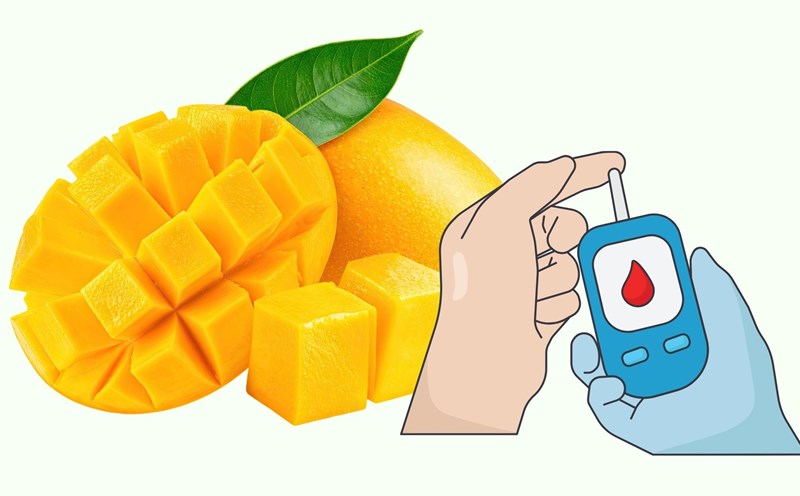
The first common mistake is to eat mangoes on an empty stomach. Because they contain a fairly high amount of natural sugar, mangoes can cause blood sugar to rise rapidly if eaten separately at the beginning of the day. This can easily make the body quickly feel hungry again and tend to eat more in the following meals.
According to experts at Sahyadri Hospital (India), eating mangoes when the stomach is empty can also increase acid secretion, causing burning sensations or bloating in some people with sensitive digestive systems. To limit this situation, mangoes should be combined with protein or healthy fat-rich foods such as unsweetened yogurt, nuts or eaten after main meals.
Another mistake is eating too much mango in a short time. Although it is a nutritious fruit, mango still provides a significant amount of calories. Excessive consumption can cause indigestion, increase excess energy and increase the risk of weight gain.
Limit processed mangoes with a lot of sugar and choose moderately ripe fruits
Many people have a habit of processing mangoes into smoothies, juices or desserts combined with sugar, condensed milk, ice cream and syrup. This unintentionally increases the amount of sugar and calories intake into the body significantly.
According to research published in the American Journal of Clinical Nutrition - fresh fruit creates a better feeling of fullness than fruit juice thanks to retaining its natural fiber content. Therefore, eating whole fresh mangoes is still a more beneficial choice for health.
In addition, eating mangoes with high-fat dishes such as ice cream, pastries or overly lavish meals can also cause some people to feel bloated and have indigestion.
Dr. Walter Willett - a nutritionist at Harvard T.H. Chan School of Public Health (USA) - said that whole fruits are a better choice than processed forms because they help the body absorb sugar slower and support weight control more effectively.
In addition, consumers should avoid eating mangoes that are too green or too ripe. Unripe mangoes can cause stomach irritation if eaten a lot, while overripe or signs of spoilage increase the risk of food insecurity.
Experts recommend that eating mangoes in moderation, choosing naturally ripe fruits and limiting the combination with sugary and fatty foods will help fully enjoy the nutritional value of this typical summer fruit.