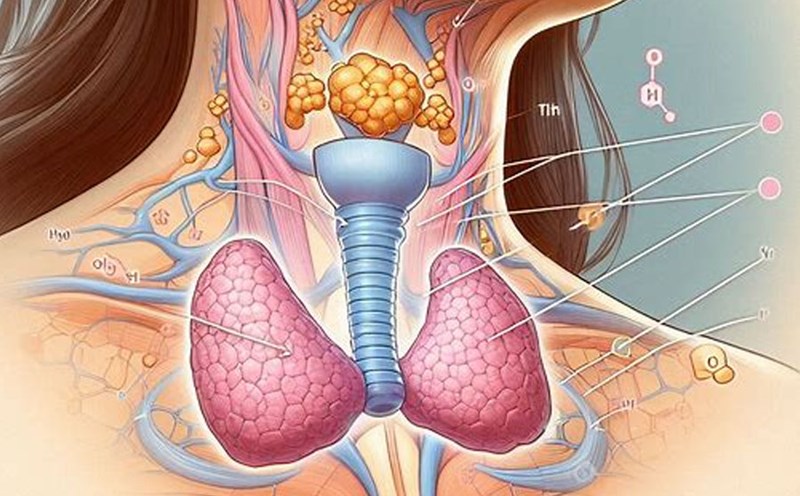
Thyroid disorders and diabetes are two common endocrine diseases, often appearing simultaneously and can affect each other. The thyroid gland controls metabolism through hormones, while diabetes is related to the ability to regulate blood sugar. When both occur, health control becomes more complex.
According to Dr. Jayaditya Ghosh, an endocrinology specialist at Yashoda Hospital, Hyderabad (India), understanding the link between these two diseases helps control symptoms and reduce the risk of complications.
Thyroid hormones play a role in regulating glucose metabolism. When thyroid function changes, the way the body uses sugar is also affected. Conversely, prolonged diabetes can disrupt hormone balance and affect thyroid function.
In people with hyperthyroidism, metabolism increases, making blood sugar easily increased and insulin resistance worse. Meanwhile, hypothyroidism slows down metabolism, which can cause hypoglycemia or change the body's way of processing insulin. This makes blood sugar control difficult to stabilize.
Dr. Ghosh said that diabetes also increases the risk of thyroid disorders. In type 1 diabetes, autoimmune factors make patients susceptible to Hashimoto thyroiditis or Graves' disease. With type 2 diabetes, prolonged insulin resistance and metabolic disorders can affect thyroid function.
The two diseases also have many common risk factors such as obesity, aging, family history and sedentary lifestyle, contributing to explaining why they often appear together.
Symptoms of the two diseases can be overlapping, such as prolonged fatigue, weight changes, mood disorders, abnormal heartbeat, or difficulty concentrating. Patients may also experience fluctuating blood sugar levels even after treatment.
When contracted simultaneously, the risk of complications increases, including difficulty controlling blood sugar, cardiovascular disease, cholesterol disorders, nerve and kidney damage. Prolonged hormonal imbalances also put pressure on many organs.
Management needs to simultaneously monitor both thyroid and blood sugar functions. Patients should have periodic tests, adjust medication according to instructions, maintain a healthy diet, exercise regularly and control weight.
People with diabetes should have their thyroid gland checked when there are signs such as prolonged fatigue, weight changes, dry skin, thin hair, abnormal heartbeat or uncontrollable blood sugar fluctuations. Early detection helps treat more effectively and limit complications.