
Xanh Pon General Hospital received and treated 4 victims in the fire that occurred at a 6-story house in alley 131 Hong Ha (Hanoi) on the night of the 12th. 4. The victims were admitted to the hospital in a state of respiratory failure due to inhaling smoke and toxic gases at various levels, in which the oldest person was born in 1938 and the youngest patient was born in 2025.
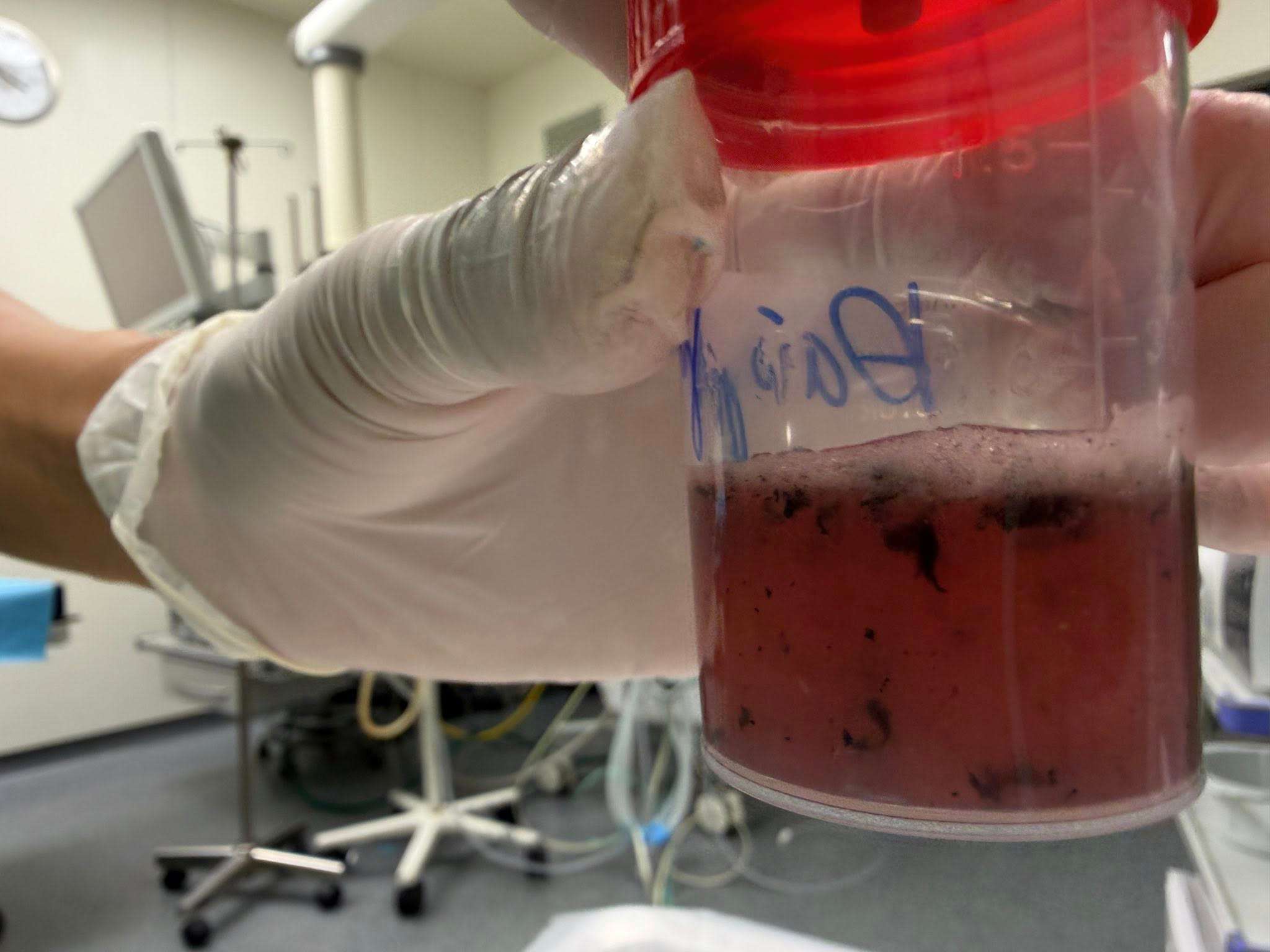
Immediately after receiving information about the incident, Xanh Pon General Hospital immediately activated the emergency resuscitation procedure, and at the same time organized a hospital-wide consultation with the participation of many specialties to be ready to receive and treat patients.
Resuscitation plans, especially treatment for respiratory damage caused by smoke inhalation, are prepared early to ensure the fastest response as soon as the patient is transferred.
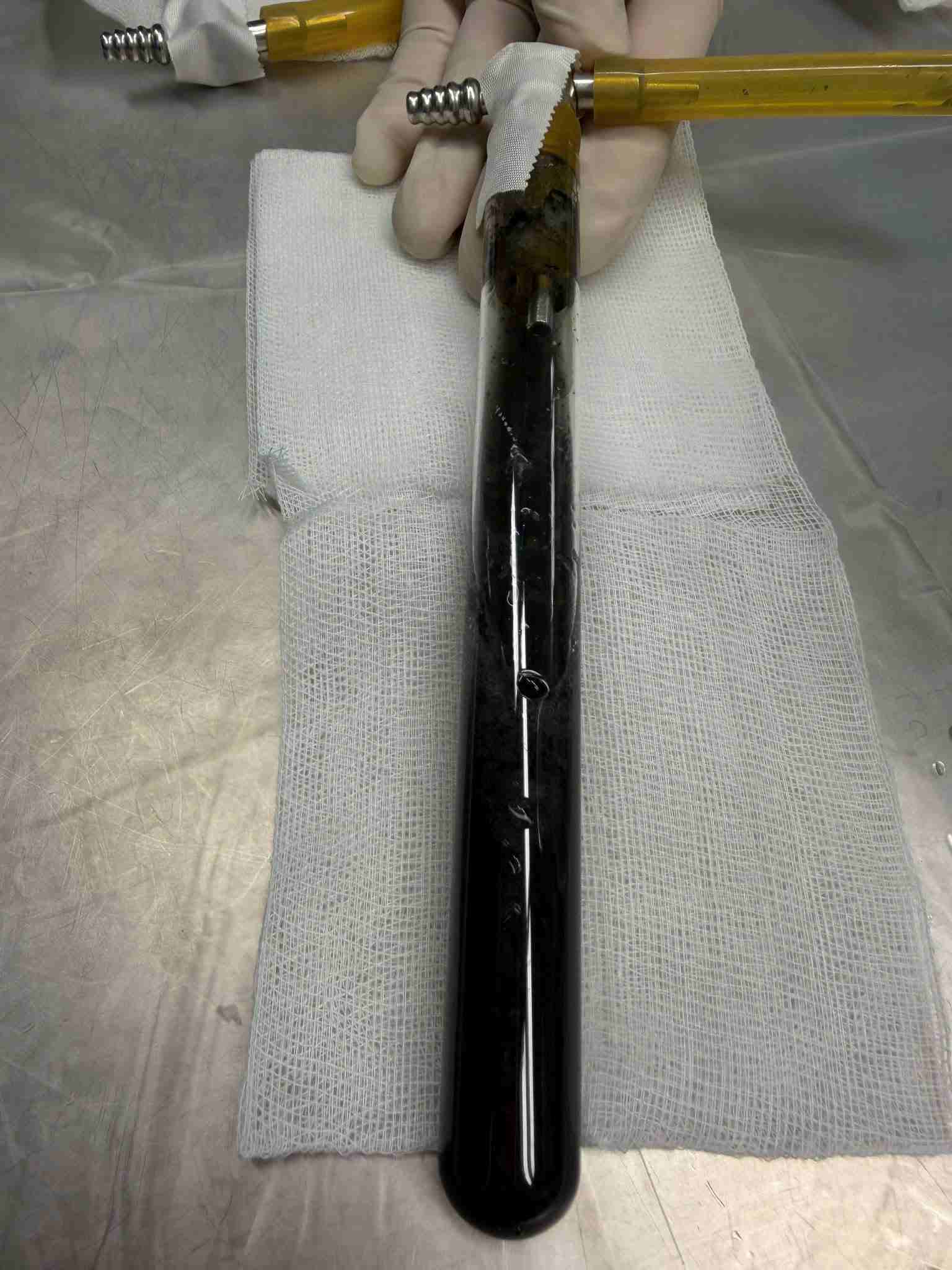
When receiving the victims, doctors urgently deployed synchronous emergency measures, in which the top priority was respiratory support. Two severe cases including a 88-year-old female patient and a 15-month-old infant were prescribed ventilators. The remaining two patients were given oxygen, combined with intravenous fluids, electrolyte balance and close monitoring of their respiratory condition.
Immediately after assessing the initial condition, doctors prescribed bronchoscopy for the patient. This is a very important procedure, almost a "golden standard" in assessing cases of respiratory burns caused by fire. The value of bronchoscopy is not only limited to diagnosis but also plays a predictive and effective treatment supporting role.
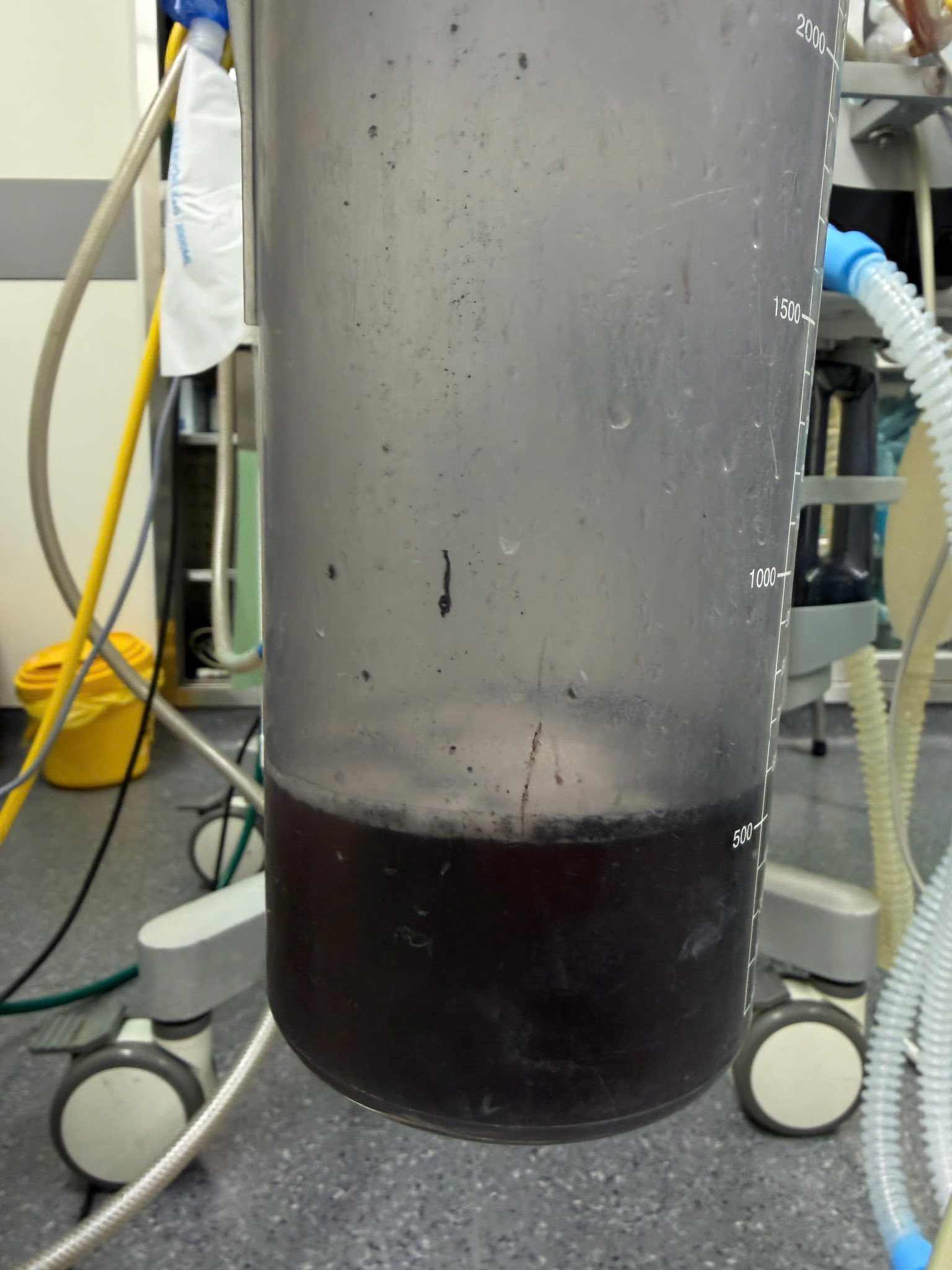
Through endoscopy, doctors quickly cleaned the airways, removed dust, soot and secretions that obstructed breathing; and assessed the extent of respiratory burn damage due to inhaling smoke, toxic gases and hot air. Timely soft-tube bronchoscopy intervention has significantly improved the patient's respiratory condition, creating favorable conditions for the subsequent resuscitation and intensive treatment process.
Currently, the child patient is being closely monitored by doctors for each clinical development. Meanwhile, the oldest patient has been transferred to the Intensive Care and Anti-poison Department to continue intensive treatment.
According to doctors, in fires, serious injuries usually do not come from skin burns but mainly from inhaling smoke and toxic gases, causing respiratory damage, acute lung damage, respiratory failure, and even rapid death if not treated promptly. Therefore, early emergency care, especially ensuring ventilation and cleaning of airways, is decisive in improving the prognosis for patients.


