The fever passes, complications begin
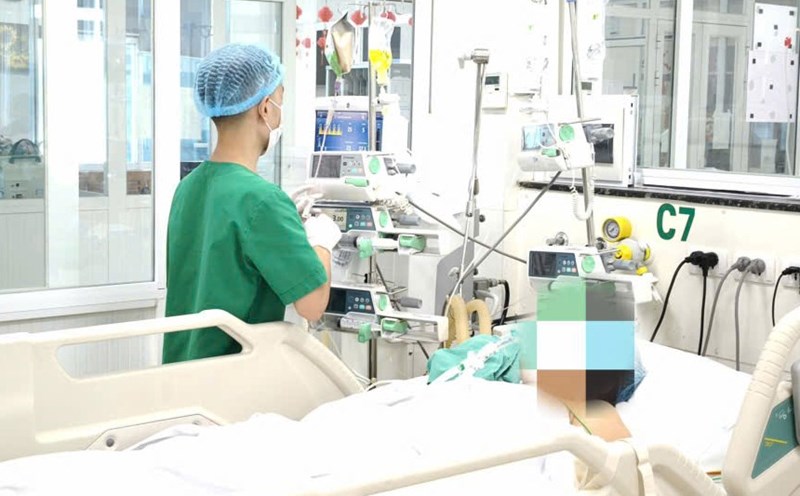
In the early days of the year, when many families are still busy with new plans, at the Emergency - Intensive Care - Adult Poison Control Department of the Hospital for Tropical Diseases of Ho Chi Minh City, Mr. T. (34 years old) is celebrating Tet in his hospital bed, next to him is a blood pressure monitor operating continuously.
He was hospitalized due to high fever, but the real dangerous turning point came as soon as he had reduced his fever. The vitality index decreased rapidly along with a sudden and deep drop in blood pressure, forcing doctors to urgently transfer him to the Emergency Department.
His progress shows a typical characteristic of Dengue hemorrhagic fever: the disease can worsen in a short time, especially during the fever-reducing phase – when many people think they have passed the danger.
When the fever starts to decrease, many people mistakenly believe that the body is recovering. In fact, dangerous disorders are occurring inside the body: plasma leakage, blood concentration and platelet deficiency can progress rapidly. Instead of getting better, patients may become exhausted, severe abdominal pain gradually increases, nausea or vomiting continuously. Severe complications such as dengue fever shock, liver failure, kidney failure or multiple organ damage often appear right at this stage (1).
It is worth mentioning that the initial symptoms of Dengue hemorrhagic fever are quite similar to flu (2). Therefore, many people choose to take medicine and get intravenous fluids at home. When admitted to the hospital, the disease has become severe, even some people are admitted to the hospital when they have fallen into shock but are still awake outside, making it difficult for families to recognize the severity.
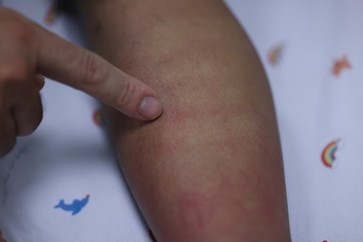
Mr. T.'s case also reflects a notable change: adults are suffering from Dengue hemorrhagic fever more than before.
If previously children accounted for the majority, now the rate of adults getting sick is increasing. Along with that change, treatment facilities also recorded an increasing trend in the number of severe cases.
According to records at the Hospital for Tropical Diseases of Ho Chi Minh City, previously the rate of severe cases was about 15%, in recent years it has fluctuated from 17-19%. Many cases of deep shock, re-shock or serious liver damage.
The epidemiological picture is becoming more worrying as Dengue hemorrhagic fever cases are recorded continuously throughout the year, with peak outbreaks usually falling around June to October. This change is greatly affected by urbanization and climate change, creating ideal conditions for tick mosquitoes to breed and develop sustainably in human habitats.
Notably, tick mosquitoes reproduce in places with clean water sources right in the house, such as flower vases, water basins, water containers inside electric fans,...

Dengue hemorrhagic fever is therefore not a disease that can be subjective. The fight against this disease is not just a treatment but also a race of life and death with time.
Unfinished plans behind the door of the hospital room
In the corner at the end of the Dengue Fever Treatment Department at Children's Hospital 1 in Ho Chi Minh City, Ms. H. (32 years old) was coaxing her child to sleep while taking the opportunity to answer customers' phone calls. Her voice gradually softened when mentioning the store that was temporarily closed.
I was the only one taking care of the baby in the hospital, abandoning all business, so I lost all relationships," she said, her eyes still watching her young child lying on the hospital bed with a bottle of intravenous fluid dripping down.
Her situation is also the common situation of many families who have people hospitalized due to Dengue hemorrhagic fever.
For many families with people with dengue fever, life is almost stagnant. Work is temporarily suspended, living is disrupted, and costs incurred. All create a double pressure on both economic and spiritual life.
If the disease becomes severe, the prolonged treatment time will further force the previously prepared plans to change. Trips home, travel, unfinished work or family reunions sometimes have to be canceled for many days, many weeks due to a fever.
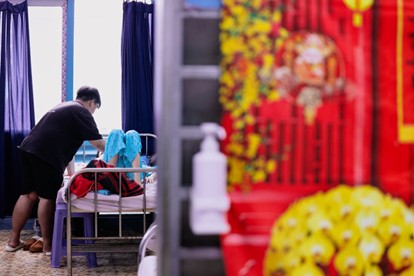
The sad thing is that many people only truly realize the danger of the disease when they are already involved. Another parent sent a message to the community after going through a period of taking care of their child for treatment: "If you see your child just get sick, don't be subjective and leave them at home, it's so pitiful. After going through it, you know how hard it is and how scary it is. As for disease prevention, to be honest, I never knew there was a vaccine before, nor did I know this mosquito lives in clean water. Later, I will definitely need to learn more to know how to prevent it for the family.
Those simple sharing words reflect a reality: subjectivity often comes from having never experienced it.
But with Dengue hemorrhagic fever, the lesson is sometimes paid for by health, time, money, spirit and even important life plans.
Proactive disease prevention is a way to maintain a peaceful rhythm of life
Dengue hemorrhagic fever, with unpredictable developments, reminds that health is the foundation of every life plan. A trip, a work project, or simply a family meal can all be delayed just because of subjectivity in the disease prevention room.
The most effective strategy is not in treating when you have the disease, but in changing awareness: each person needs to proactively prevent it early. This includes: Eliminating mosquito breeding grounds around the house; covering water containers tightly; sleeping under mosquito nets, including during the day; using appropriate mosquito control measures; proactively preventing with vaccination to reduce the risk of disease and reduce the risk of severe complications.
In particular, when detecting warning signs that need special attention including: high fever, fatigue, muscle aches, restlessness, lethargy, lethargy, severe abdominal pain, frequent vomiting, vomiting blood, bloody stools... must immediately go to the nearest medical facility for timely examination1.
Proactive disease prevention not only helps reduce severe cases, but also contributes to reducing pressure on the health system and limiting unnecessary losses for each family.
The program is implemented by the Government Electronic Newspaper, with the companionship of Takeda Vietnam Pharmaceutical Co., Ltd. with professional advice and approval from the Vietnam Preventive Medicine Association. All medical information is presented objectively and does not represent the commercial views of any company.
This content is for the purpose of educating and raising community awareness, not for the purpose of diagnosis or replacement of counseling with medical staff. Please consult your doctor for further advice.
* The names of the characters in the article have been changed.
C-ANPROM/VN/NON/0135 Mar 2026
References
(1). Ministry of Health. Guidance on diagnosis and treatment of Dengue hemorrhagic fever. Decision No. 2760/QD-BYT dated July 4, 2023. Hanoi: Ministry of Health of Vietnam; 2023.
(2). World Health Organization (WHO). Questions and Answers about Dengue hemorrhagic fever [Internet]. Hanoi: WHO Vietnam; October 2, 2024 [citation March 2, 2026]. Available at: https://www. who. int/vietnam/vi/news/questions-and-answers/q-a-detail/dengue-and-severe-dengue