
Supports blood pressure control
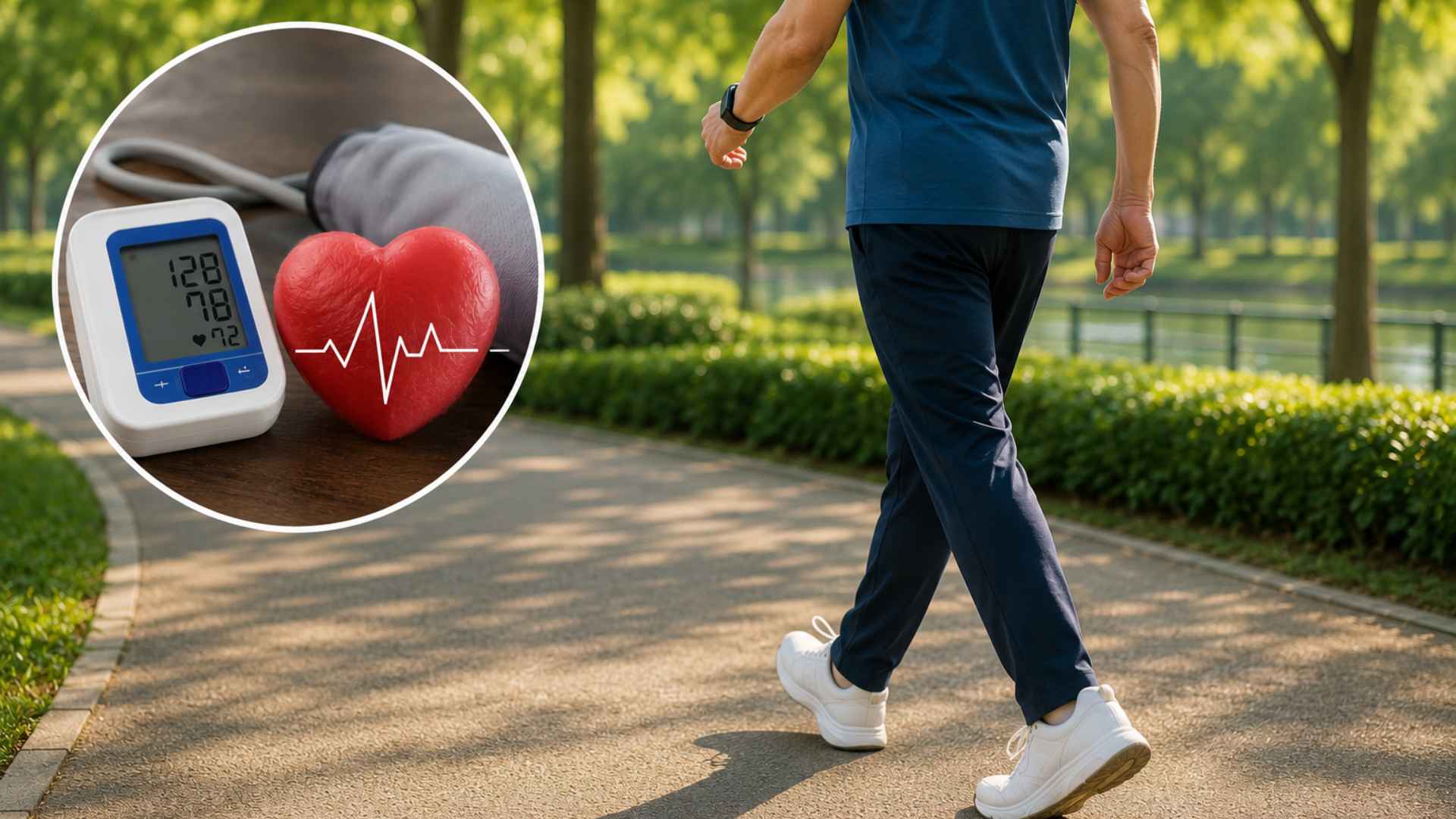
High blood pressure increases the risk of stroke, myocardial infarction and many dangerous cardiovascular complications. Regular exercise, especially walking, is one of the effective measures to support blood pressure control.
People with high blood pressure should walk in the correct posture when walking, placing the center of gravity on the front of their feet, keeping their chest and back straight.
Keep your upper body stable to avoid putting pressure on your chest and affecting heart function.
Increase exercise intensity gradually. It can start at about 40-50% of the maximum speed, traveling 2-3 km in 30-45 minutes. The appropriate intensity is when the body sweats slightly but still can talk normally.
Contributing to cholesterol reduction
Regular walking helps improve the fat metabolism in the body. This activity can stimulate the enzyme lipoprotein lipase, promote lipid breakdown and excretion, thereby supporting cholesterol reduction in the blood.
For people with high cholesterol, moderate intensity exercise should be maintained every day, equivalent to brisk walking about 3-5 km or about 6,000 steps.
Persistently implement for a long time to achieve blood fat improvement results.
Drink enough water every day. After waking up, you can drink about 300 ml of filtered water to replenish water for your body after a long night.

Supporting blood sugar control
For people with diabetes, walking is a safe and effective form of exercise if done properly. Regular exercise helps the body use glucose more effectively, thereby contributing to blood sugar control.

However, it should be noted that 6,000 steps per day is not a "miraculous number" that has a healing effect. Efficiency also depends on exercise intensity, maintenance time, diet, weight, and treatment adherence. People with hypertension, dyslipidemia, or diabetes still need to take medication as prescribed and have regular check-ups; walking is only part of a comprehensive disease control strategy.


