Fresh fruits are not as clean as you think
Whether sold in supermarkets or agricultural markets, fresh fruits and vegetables can still contain many harmful agents if not properly washed. According to nutritionist Wendy Bumgardner (USA), author of an article published on October 10, 2025 on Healthline, "ignoring the step of washing fresh food is the cause of increased risk of disease caused by bacteria orcess chemicals".
Agricultural products can be infected with E.coli, Salmonella, Listeria or norovirus during cultivation, harvesting, and transportation. According to statistics from the US Centers for Disease Control and Prevention (CDC), nearly 48 million Americans suffer from dirty food each year.
Not only bacteria, pesticide residues and dirt are also a potential threat. Even if labeled organic, the product can still have traces of environmental chemicals, Bumgardner added. Washing does not completely remove all impurities, but it significantly reduces the risk of infection.
Wash properly to make food truly "clean"
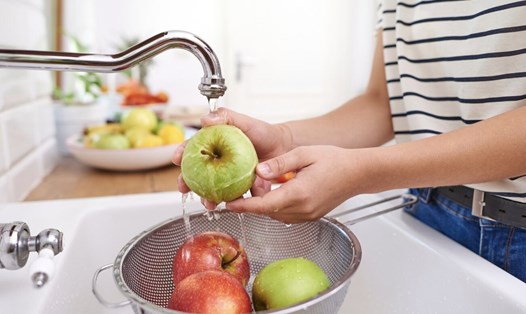
According to Jamie Johnson, a certified nutritionist (RDN) in the United States, washing vegetables and fruits should not only be done through a loudspeaker under a water faucet. Start by washing your hands with soap for at least 20 seconds, remove the puree and water spinach and wash the product for 10-20 seconds in cool water, Ms. Johnson instructed.
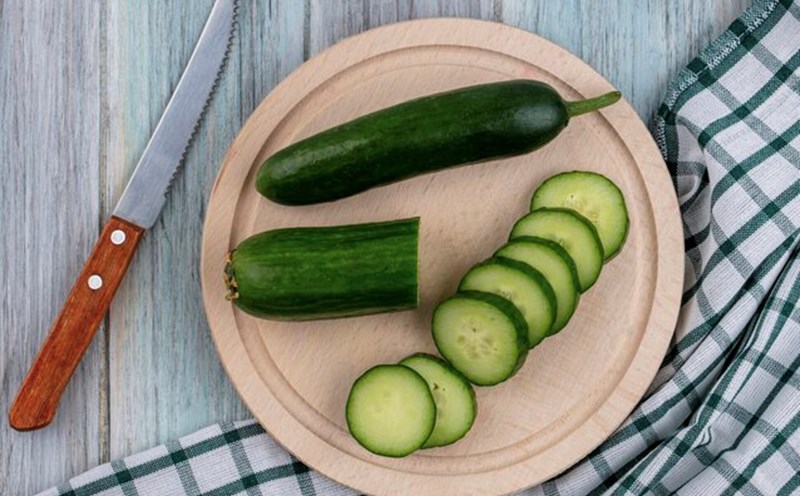
For hard shells such as cucumbers, carrots or potatoes, use a specialized brush to scrub. Absolutely do not use soap, bleach or dishwashing liquid, as they can leave harmful chemicals, which have not been certified by the US Food and Drug Administration (FDA).
Some people choose diluted vinegar solution to wash vegetables, because vinegar helps kill E.coli bacteria more effectively than regular water. However, experts note that you should replenish it with clean water to avoid odor and affect the texture of the food.
In particular, prepackaged vegetables and fruits with pre-washed, pre-made to eat or three-way washed labels do not need to be rinsed, just properly preserved to avoid re-infection from other raw materials or food. Washing food seems simple, but it is the first line of defense to protect health, Ms. Johnson emphasized.