
According to WHO, late-diagnosed or delayed cancer treatment will reduce survival chances, making treatment more complex and costly.
To detect early and accurately identify many silent abnormalities, diagnostic imaging methods such as CT, MRI, ultrasound or endoscopy still play a key role, overcoming the shortcomings of blood tests. The paradox is that the application of these modern devices makes many people worried, especially with X-rays in CT scans, for fear of adverse effects on health, thereby continuing to delay check-ups.
Is CT scan still a concern?
According to Dr. Dao Van Tu, Director of the Center for Clinical Research of K Hospital, CT was previously often indicated for people with symptoms or suspected cancer. Today, ultra-low dose CT applied in early screening is no longer an abuse of indication but an important method to help achieve early screening goals, increase the rate of effective treatment in stages 1-2, and reduce a lot of cost burden.
With modern technology, a X-ray film not only evaluates a single organ but can provide information in multiple organs, while still ensuring safety principles. With some low-dose spiral CT scan procedures in the lungs, the radiation dose can be only about 0.1-0.3 mSv, equivalent to the level of a regular X-ray film," Dr. Dao Van Tu added.
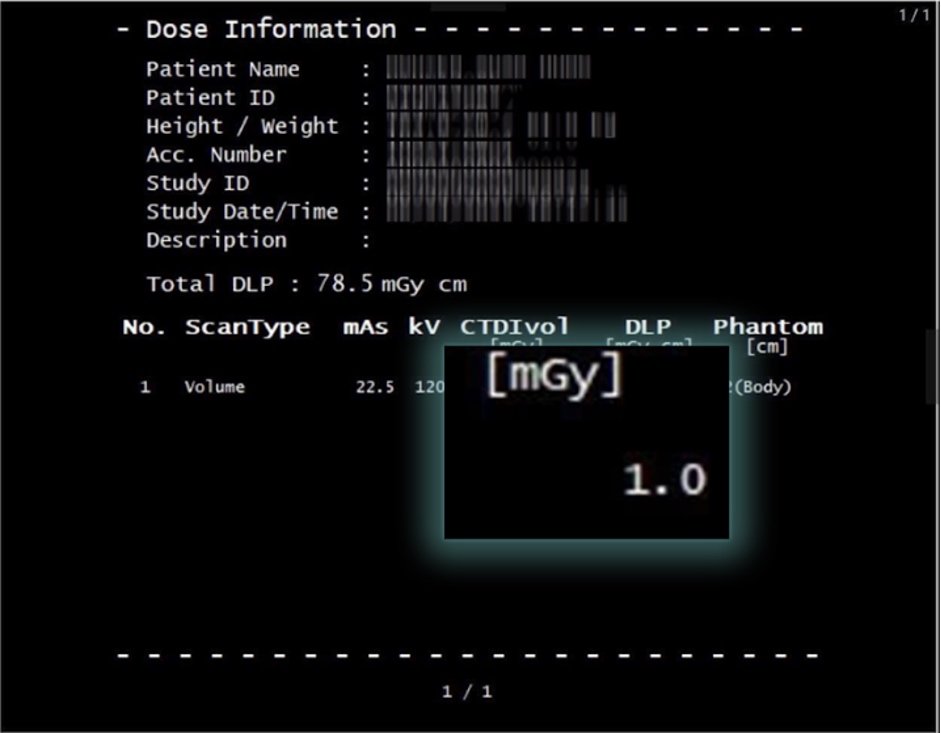
Therefore, the right question is not "Should CT be avoided?", but: who needs to be scanned, which area to scan, at what dose, using what technology and who reads the results.
The US National Lung Cancer Screening (NLST) study showed that the group screened with low-dose spiral CT had a 15-20% lower risk of death from lung cancer compared to the standard (source) chest X-ray group because thanks to better imaging technology, the results had a high accuracy rate, helping patients detect the disease from an early stage, instead of stage 3-4 as before.
Low-dose AI CT - a new step in early detection of diseases
Assoc. Prof. Dr. Nguyen Hai Anh, former Deputy Director of the Respiratory Center of Bach Mai Hospital, Professional Director of NURA Vietnam, said: After many years of work, I can affirm that low-dose CT technology with integrated AI exclusively from Fujifilm is perfect for early screening of abnormalities in the chest & abdomen. This is an important database for doctors to make a final diagnosis.
The case of Mr. Nguyen Huy B., 69 years old, with a history of smoking for more than 20 years, is an example. Although there are no clear symptoms, test results at NURA recorded mild pneumothorax and 3 lung nodules about 6 mm in size. Early detection helps customers receive advice to monitor, adjust lifestyle and manage risks promptly, in order to limit the possibility of bad developments such as respiratory failure or lung cancer in the future.
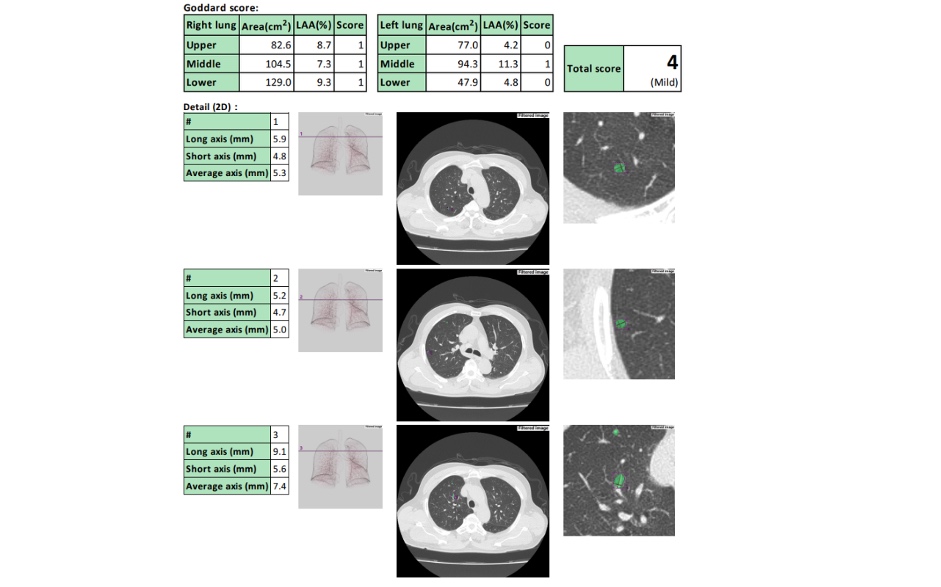
The value of screening is not only in detecting small signs, but from here, doctors support customers to plan appropriate health care to prevent "small to big" progressions from complicated to malignant.
The doctor is still the one who ensures the safe procedure and makes the final diagnosis.
A major change in modern diagnostic imaging is the ability to reduce radiation dose, reproduce images and support AI analysis. AI does not replace doctors, but acts as an "additional reading layer", helping to review small or abnormal lesions that are easily overlooked.
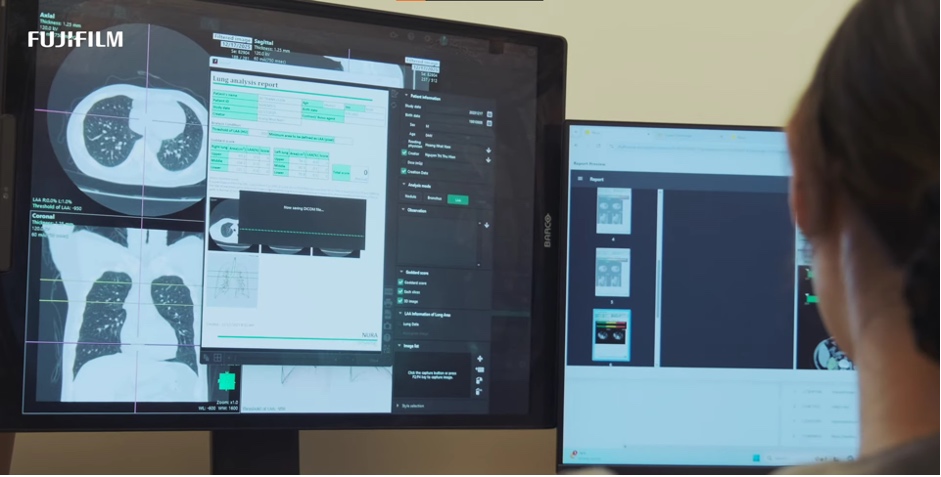
In specialized screening models such as NURA, low-dose CT scans are combined with MRI, endoscopy, ultrasound, tests and clinical examinations to create a detailed health picture, depending on the characteristics of each organ.
Therefore, low-dose CT scans and modern screening technologies are not scary if used correctly. What is more scary is misunderstandings about technology that make us miss the best time to detect the disease.
NURA - Active Health Screening with AI Technology
1800 6467 88
www. nura. vn
NURA 1: 1st Floor, MIPEC Tower, 229 Tay Son, Kim Lien, Hanoi
NURA 2: 2nd Floor, Thao Dien Pearl, 12 Quoc Huong, An Khanh Ward, Ho Chi Minh City
NURA PREMIUM: VJM Building, 154 Nguyen Thai Hoc, Ba Dinh, Hanoi


