
A Reuters/Ipsos poll released on March 2 shows that only about 27% of surveyed American adults support airstrikes by the US against Iran, while 43% oppose and nearly 30% are still hesitant about this.
The survey was conducted during the days of US and Israeli airstrikes, before the US military confirmed on March 1 that 3 US soldiers were killed and 5 others were seriously injured in these operations.
The results show that the views of the American public are deeply divided, especially the reaction to President Donald Trump's use of military force.
More than half of respondents believe that Mr. Trump is too willing to use force to promote US interests, of which up to 87% of Democrats agree with this opinion but only about 23% of Republicans agree.
Even within the Republican party, about 42% said they would reduce their support for the campaign if it led to "US soldiers injured and killed".
Concerns about economy and security push up opposition sentiment. The poll also showed that nearly half of respondents - including 34% Republicans and 44% independents - said they would oppose the Iran campaign if gasoline prices in the US rose due to prolonged conflict.
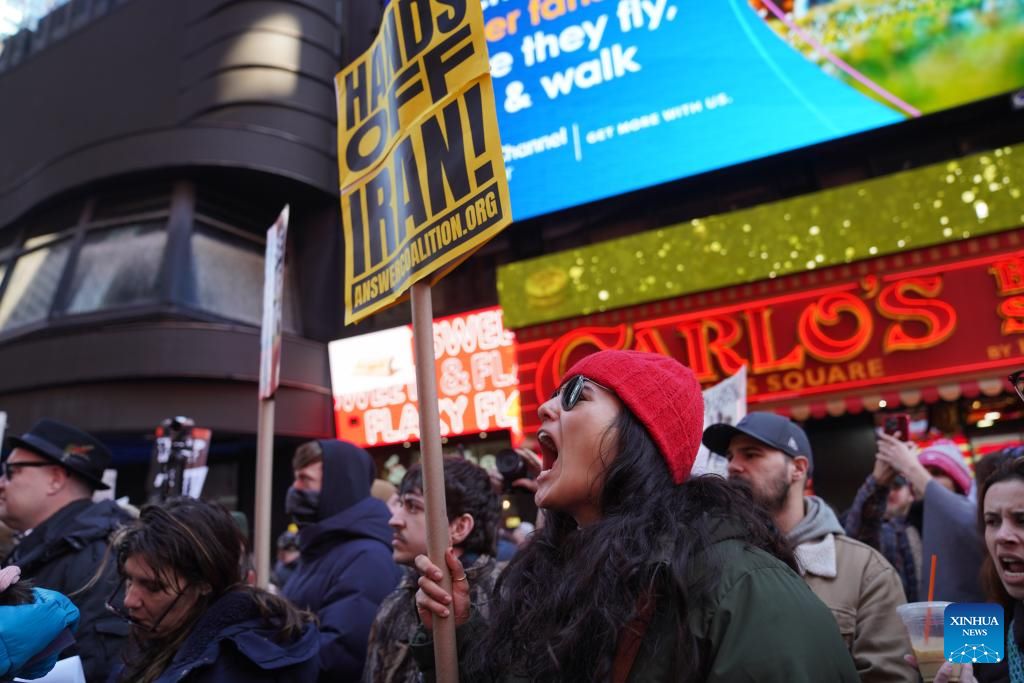
In particular, the fact that the top concern of voters before the midterm election is still economics, far exceeding foreign affairs issues, makes reactions to the military campaign even more sensitive.
Reuters/Ipsos polls with 1,282 adults in the US with a margin of error of about ±3 percentage points show that public opinion is prominent with deep polarization between supporters and opponents.
The drop in approval ratings seems to be reflecting concerns about prolonged war, soldier casualties, and impacts on domestic fuel prices, which could significantly affect the results of the US midterm election.
This situation takes place in the context of the US political arena, which is deeply divided over the campaign in the Middle East, creating new pressure on the White House about conflict approaches and the future of foreign policy.


