
The participation of the Houthi forces in Yemen is opening a new front in the already tense Middle East conflict, while pushing the Bab el-Mandeb Strait - a vital transport route through the Red Sea - into an unprecedentedly high-risk situation.
The Houthi - a force backed by Iran -'s announcement of launching missiles and drones against Israel marks a worrying escalation. This is the first time in months that this group has directly engaged in the Middle East war, although they have previously continuously signaled support for Tehran and warned "they are ready to pull the trigger".
According to analysts, this move is not surprising. Houthi controlled most of northern Yemen, including the capital Sanaa, since 2014 and has long been seen as Iran's "extended arm" in the region.
However, the initial goal of the Houthi is clearly calculated. Instead of attacking the interests of the US or wealthy Gulf countries, they choose Israel to avoid triggering a direct military response from Washington or Riyadh. But this may just be the beginning.
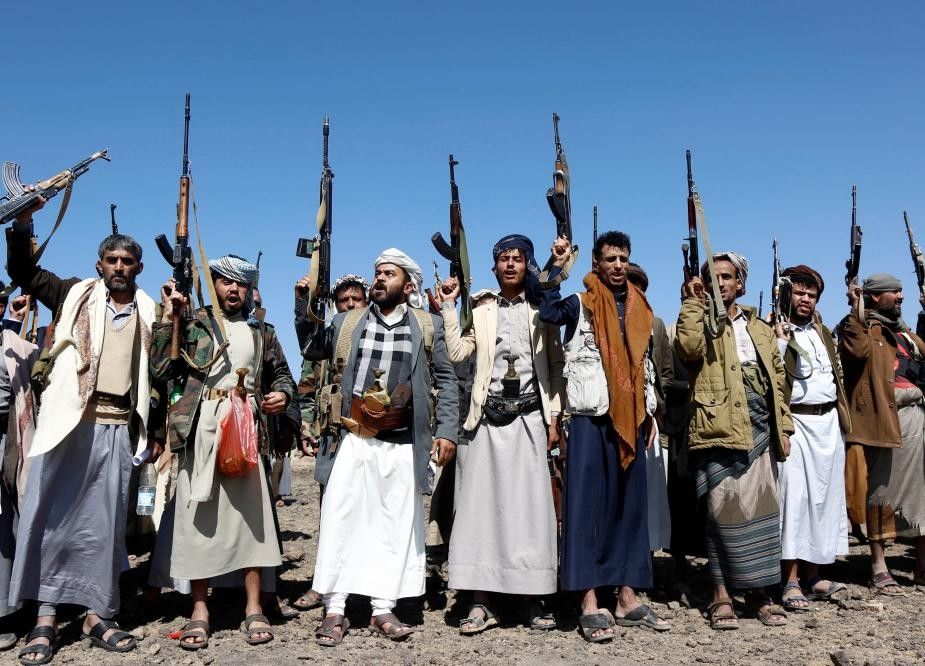
A bigger concern lies in the possibility of the Houthi returning to the tactics used in the Gaza conflict: Attacking commercial ships on international shipping routes. From high positions along the Red Sea coast, this force can use missiles and UAVs to threaten ships passing through the Bab el-Mandeb Strait - the gateway connecting the Red Sea with the Suez Canal.
This is one of the busiest transport routes in the world, playing a key role in the circulation of goods between Europe and Asia. When the Strait of Hormuz - where the majority of Middle Eastern oil is transshipped - was disrupted, Bab el-Mandeb became even more vital.
If this "bottleneck" continues to tighten, the already fragile global supply chain will face a new shock, forcing ships to circle the Cape of Good Hope in South Africa, prolonging transportation time and costs.
In that context, Saudi Arabia is facing a difficult choice. Currently, oil tankers have been diverted to Yanbu port in the Red Sea - Riyadh's almost only remaining escape route.
If this line is threatened, the "cautious neutrality" strategy pursued by this country could collapse. Experts warn that Riyadh may be forced to respond, even to a limited extent, to protect vital interests.
The escalating risk is therefore not limited to the sea. Houthi is assessed to have a more favorable geographical location than Iran in attacking Saudi Arabia's oil and gas infrastructure as well as Western bases in the region. A direct confrontation between Houthi and Riyadh is entirely possible - something that happened in the period 2015-2022.
The worst-case scenario is that Yemen falls back into a spiral of all-out war. After years of conflict, this country has not yet recovered, and any escalation could lead to a new humanitarian disaster.
From the Strait of Hormuz to Bab el-Mandeb, the two "trumps" of global trade are shaking in turn. And in a world that is heavily dependent on these shipping routes, just one bottleneck is enough to create a domino effect far beyond the Middle East region.


