
In the early morning of January 20, the air defense system in Kiev and many neighboring provinces was activated before a large-scale attack from Russia. On-site reports show that this is a mixed attack campaign, combining fighter jets, unmanned aerial vehicles (UAVs) and ballistic missiles.
According to information from the Ukrainian Air Force, at about 2 am, emergency warnings were simultaneously issued in Kiev, Dnipropetrovsk and Vinnytsia.
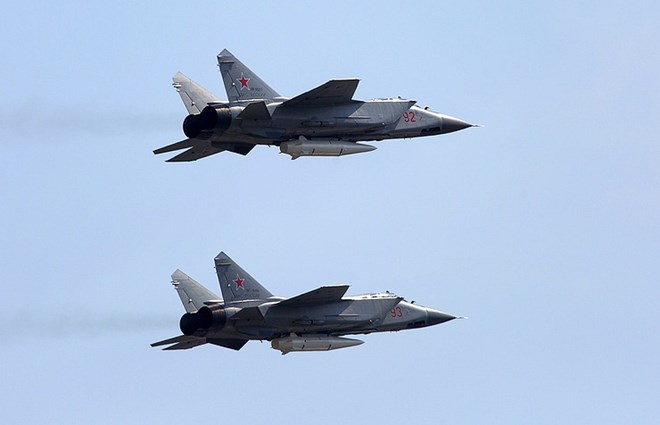
Notably, the Russian army has mobilized MiG-31K fighters to participate in the operation. This is a fighter jet capable of carrying Kinzhal supersonic missiles - a weapon with high accuracy, often used to penetrate solid defense systems; famous for the nickname "monster" because of its extremely fast speed (Mach 3) and long range.
In the capital Kiev, local authorities confirmed that explosions occurred in Dniprovskyi district, damaging some non-residential buildings.
The impact of the attack on the infrastructure system is very clear. Kiev Mayor Vitali Klitschko said that the eastern area of the city recorded power outages and disruptions to clean water supply immediately after the explosions.
The fact that energy infrastructure becomes a target takes place in the context of Ukraine facing a serious crisis. Previously, on January 14, President Volodymyr Zelensky had to declare a state of emergency in the energy sector.
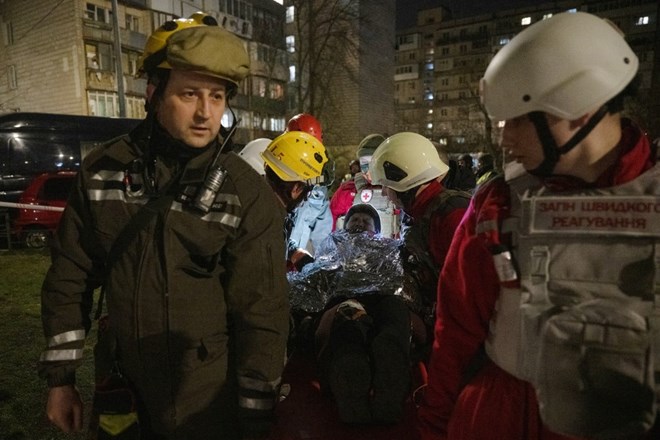
Ukraine's power grid is under great pressure due to harsh winter weather and successive attacks aimed at destroying the operational capacity of power plants.
In addition to the capital, military activities were also recorded in many other areas. In Dnipro, Kharkiv and Zaporizhzhia, large explosions also occurred.
Ukrainian Energy Minister Denys Shmyhal previously said that Russia's current tactic is to focus firepower on energy bottlenecks and infrastructure serving the nuclear power grid, in order to reduce the enemy's ability to maintain operations in the winter.


