
In a phone interview with the British news agency on March 5, Mr. Trump declared that the US must participate in the process of choosing Iran's future leader, saying that this could help avoid repeated crises in the years to come.
According to Mr. Trump, Washington "will have to work with Iran to choose that person".
We want to participate in the process of choosing who will lead Iran in the future, so that we don't have to come back to resolve this issue every 5 years. We want a good leader for the people and good for the country," he said.
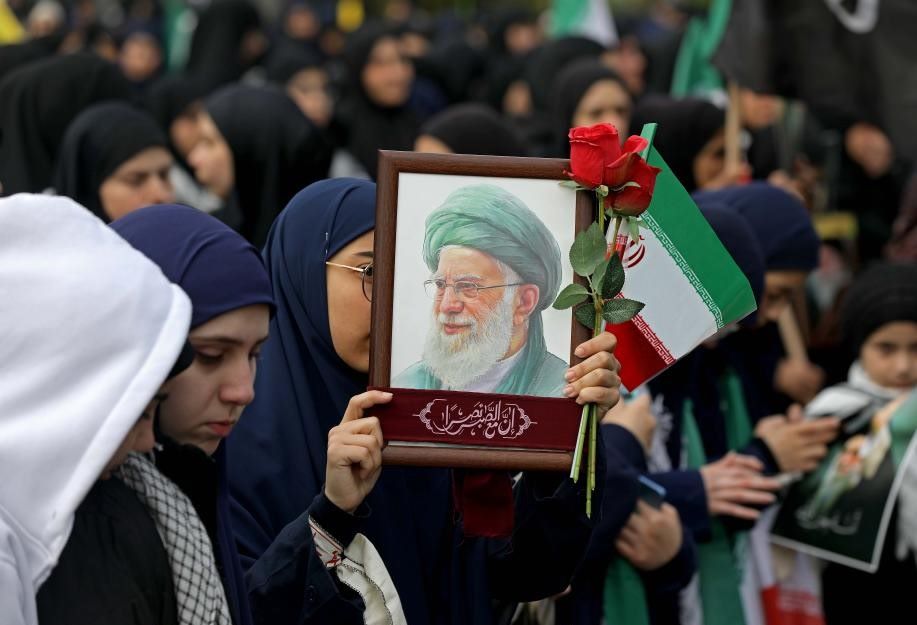
The US leader also assessed that the possibility of succession of Mojtaba Khamenei - son of late Supreme Leader Ali Khamenei - is not high, although he is considered one of the prominent candidates after his father was killed in an early war airstrike, and was even reported by the press as having been elected.
When asked if Reza Pahlavi - the son of Iran's last king - could be the choice, Mr. Trump replied that "everyone is involved", while emphasizing that it is still too early to draw conclusions.
In the interview, Mr. Trump also expressed support for the fact that Iranian-origin Kurdish forces operating in northern Iraq are launching attacks on Iranian security forces in western Iraq.
I think it would be great if they wanted to do that. I fully support it," he said.
According to sources familiar with the situation, a coalition of Iranian Kurdish armed groups stationed in Iraq's semi-autonomous Kurdish region has consulted the US on the possibility of launching an offensive campaign to weaken the Iranian army, while the US and Israel continue to bomb targets in Iranian territory.
When asked if Washington would provide air support for the Kurdish forces, Mr. Trump did not answer directly but said that their goal would be to "win".
The current conflict also increases concerns about the risk of disruption to the world's most important energy transport route, the Strait of Hormuz, where about 20% of global crude oil and liquefied natural gas (LNG) passes through.
After Iran attacked several oil tankers in the area, transportation through this route was almost stalled.
However, Mr. Trump believes that Iran currently does not have enough naval capabilities to blockade the strait.
Their navy is now at the bottom of the sea," Trump said, while affirming that the US is closely monitoring the situation in Hormuz.
Meanwhile, the fighting continues to spread. Many oil tankers were attacked in the Gulf on March 5, and Iranian drones flew into Azerbaijani airspace, raising concerns that the conflict could spread to other energy-producing countries.
The Middle East conflict has caused global energy prices to rise sharply in recent days. However, Mr. Trump does not seem too worried about the possibility of high gasoline prices in the US.
Prices will fall very quickly when everything is over. If there is an increase, it will only be a slight increase. But this is much more important than the gasoline price rising" - he said.


