For months, many Canadians have hoped that Mr. Trump has stopped mentioning the idea of turning Canada into the "51st state of the United States", as the White House is busy reshaping the global trade order. However, Washington's recent moves are fading that hope.
The arrest of Venezuelan President Maduro - accompanied by the Donald Trump administration's statement that "this is our hemisphere" - along with the US publicly discussing the possibility of controlling Greenland, including not excluding military measures, has made Canada look back at Mr. Trump's previous statements about Canadian sovereignty from a completely different perspective. Greenland, like Canada, is a democratic territory, located in the Arctic and part of NATO.
Concerns spread in public opinion. A commentary in Canada's largest daily newspaper last week spread strongly, warning of the possibility of the US using "military coercion" against Canada.
The article calls on Ottawa to learn from Finland's defense model, expand civil defense forces and prepare for the worst-case scenarios.
These concerns are not unfounded if we look at the balance of power. The Canadian military currently has less than 100,000 permanent and reserve troops, having to protect the world's second largest territory. This force is also scattered by domestic disaster relief missions and international commitments, such as the deployment of troops to Latvia within NATO framework.
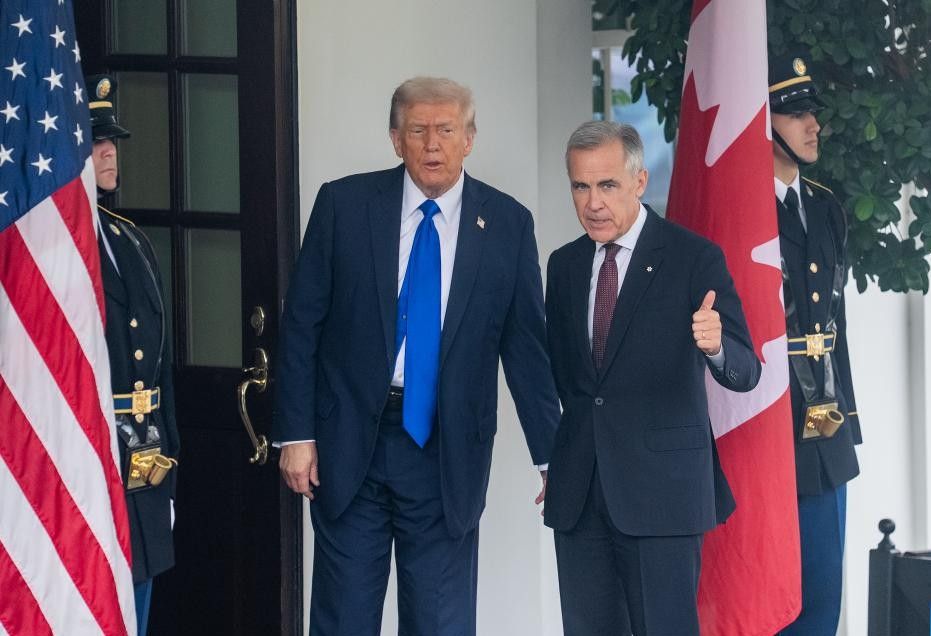
Prime Minister Mark Carney's government is increasing wages to improve military recruitment, while allocating tens of billions of USD for fighters, submarines and new equipment. The goal is to achieve a minimum defense spending level of 2% of GDP as required by NATO.
Canadian media also reported on plans to build a reserve force of 100,000 people and a support force of up to 300,000 people, but these are steps that take many years to take effect.
The risk is not only military. Canada is heavily dependent on the US economy: Nearly 70% of its export turnover is heading south of the border.
The USMCA agreement helps about 85% of bilateral trade to be tax-free, while other goods may face a 35% import tax rate. This is both a "shield" and a hanging knife, because as long as the US threatens to cancel the USMCA exemption or shake it, Canada's economy may falter.
In addition, the risk of political intervention is also mentioned. In Alberta - a province rich in oil that is often dissatisfied with the federal government, the possibility of an independence referendum is being discussed. Although early surveys show that separatists are unlikely to win, analysts warn of the risk of external intervention through obscure finances or misinformation campaigns.
In the short term, Mr. Trump's attention may still be focused on Venezuela and Greenland. But with Canada, data on military, trade and domestic politics is showing a clearer reality than ever: Declarations once considered obscene have now become strategic risk factors that Ottawa cannot ignore.