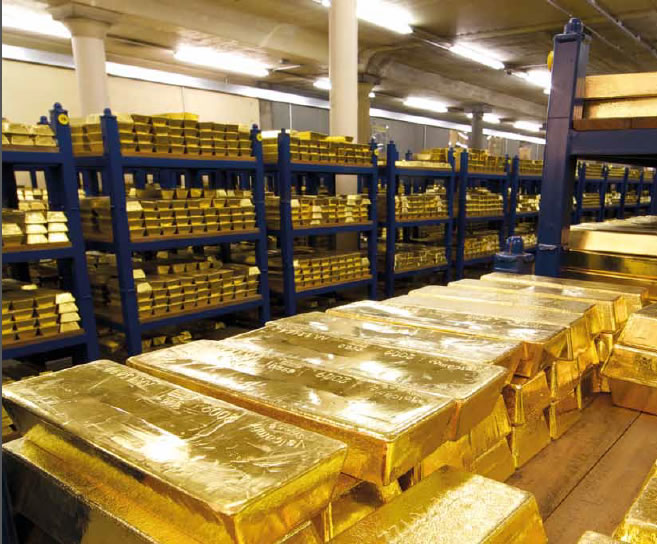
Deep underground in London, thousands of kilometers from Caracas, about 31 tons of Venezuelan gold is still lying in the bunkers of the Bank of England (BoE).
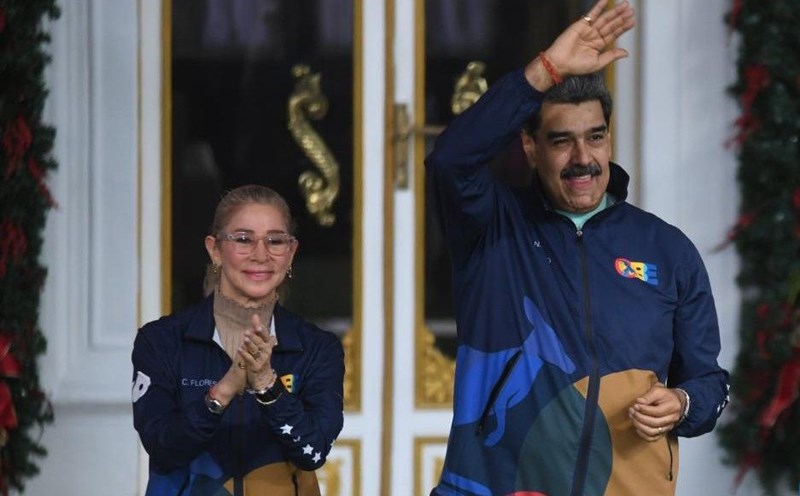
After President Nicolas Maduro was arrested by US special forces on January 3rd, the old but never-dead question was once again raised: Who really controls the Venezuelan gold mine in the UK?
For many years, the world's attention has mainly focused on Venezuela's huge oil reserves - considered the largest globally. However, this South American country also possesses significant gold reserves abroad.
In the UK alone, the amount of gold "freeze" was once valued at about 1.95 billion USD in 2020. With gold prices having more than doubled since then, the actual value is now much higher.
Sending gold in London is not unusual. The Bank of England is holding about 400,000 gold bars for governments and organizations around the world, second only to the US Federal Reserve in New York. Venezuela has been sending gold here since the 1980s, considering London a safe destination for foreign exchange reserves.
However, since 2018, Caracas has been prevented from returning this gold after the controversial presidential election, when Mr. Maduro was re-elected.
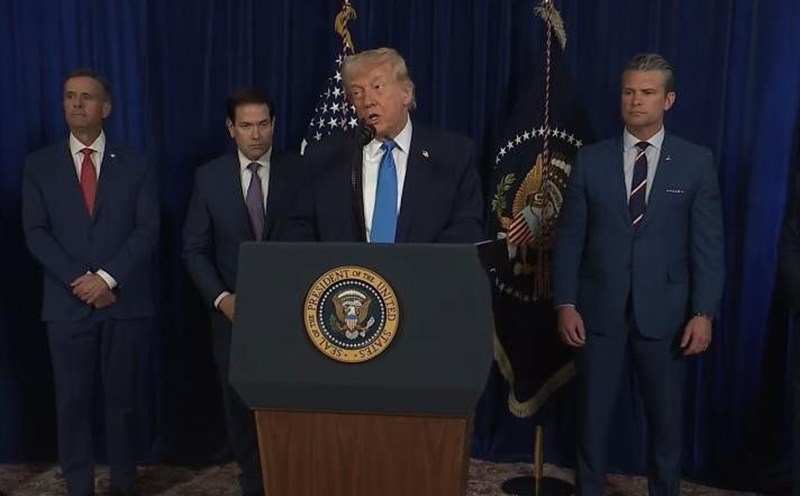
The US under President Donald Trump imposed tough sanctions, while Britain and dozens of other countries did not recognize Mr. Maduro as a legitimate leader. The Venezuelan opposition at that time called on the BoE not to hand over gold, fearing that the Maduro administration would use this resource to maintain the regime.
A memoir by former US National Security Advisor John Bolton later revealed that the British Foreign Office had agreed to prevent the gold transfer at Washington's request.
In 2020, the Maduro administration sued in London court, arguing that they needed gold to deal with the COVID-19 pandemic. At the same time, opposition leader Juan Guaido also declared control, in the context of Britain officially recognizing him as interim president.
The series of overlapping rulings of the British court in subsequent years still could not close the case, although Mr. Guaido was no longer recognized.
After Venezuelan President Nicolas Maduro was arrested, Ms. Delcy Rodriguez - who used to hold the position of vice president - became a caretaker leader and previously criticized Britain's gold holdings as "frank robbery".
However, London's position remains unchanged. Speaking before the British Parliament, Foreign Secretary Yvette Cooper affirmed that Britain continues not to recognize the new government in Caracas, emphasizing the need to maintain pressure to promote a democratic transition process.
This means that the Bank of England is likely to continue to keep the estimated 4.8 billion USD worth of gold in Venezuela at the present time.
The Venezuelan gold dispute reflects a broader trend in the context of geopolitical rifts. After the Ukraine conflict in 2022, the West frozen about 300 billion USD of Russian assets, causing many countries to worry about the safety of reserves abroad.
Analysts believe that this anxiety is one of the driving forces that caused world gold prices to increase sharply recently.