
Students as strong as professionals
In the rather distant memories of middle-aged and older football fans, in the late 1990s and early 2000s, when the internet and social networks were not yet developed, Korean student football was something that brought admiration. Not the handsome style like movie stars, but their physique and quality of playing football.
In those days, the Vietnamese national football team, with Huynh Duc, Hong Son, Hoang Buu, Cong Minh, Huu Thang, Minh Hieu, Sy Hung... as top stars, still had to be shaken and fail when playing against the Korean Student Team in friendly tournaments right in Vietnam. They really became a serious test for the national team.
Not the national team, the Korean Student Selection always brings young players selected from top universities such as Yonsei, Korea University or Hanyang. The playing style also has a modern touch of football at that time.
Over time, Vietnamese football has developed, but of course, Korean student football is also not standing still. Along with Japan, Korea is one of the 2 countries that are developing school football very strongly.
Therefore, in a closer memory, even when there was the AFF Cup 2008 championship squad, the squad in coach Henrique Callisto's hands lost both matches against the Korean Student Team in 2008 and 2009.
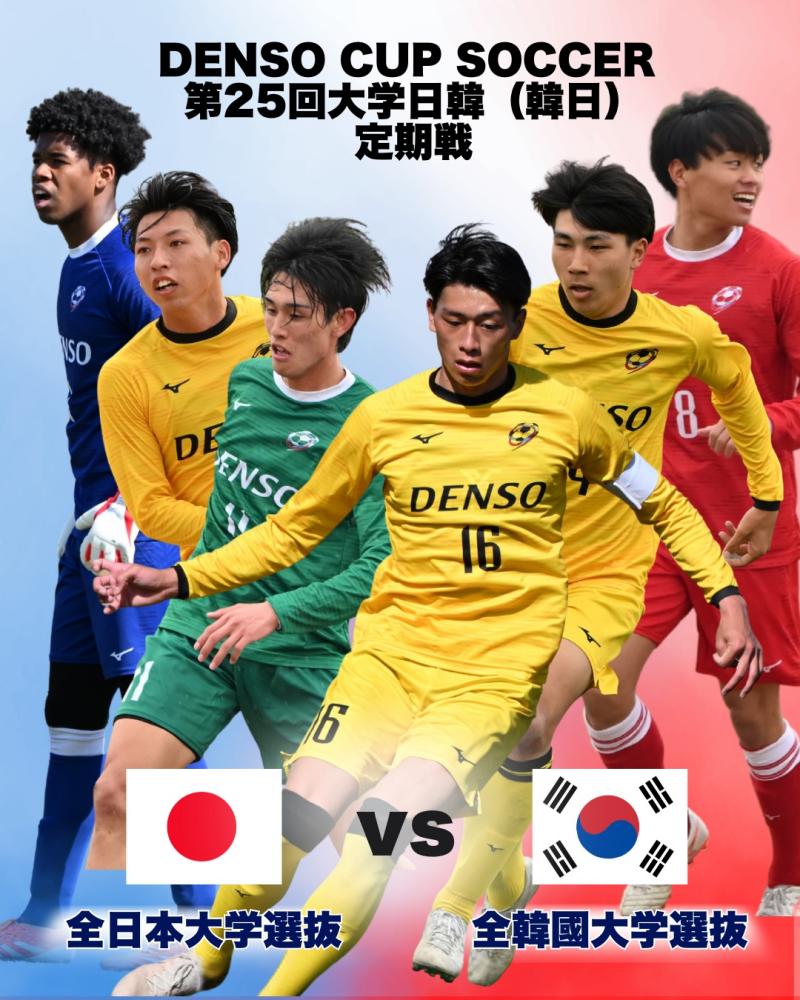
In 2014, the Vietnamese team had 2 other matches against the Korean Student Team, with a 0-0 draw in March, with a squad led by coach Hoang Van Phuc, and won 3-0 in November, when Mr. Toshiya Miura was on the coaching bench. That was when the opponent used the second squad due to paperwork problems that prevented key players from coming to Vietnam.
A month earlier, also the students of the Japanese coach lost to his hometown student team with a score of 1-3. And in June, it was also the Japanese student team that won against Vietnam U19 team 5-1 when Cong Phuong's generation trained in the land of cherry blossoms.
Statistics show that in about 10 years at that stage, the Korean Student Team had 8 encounters with the national team and U23 Vietnam, with the same result of 4 wins, 3 draws and only 1 loss.
Advantages to learn
With just a few statistical data points like that, it is enough to see why Korean and Japanese football are developing so strongly. They have points shown through their thinking and operating methods.
Firstly, in terms of policy, they consider student football as a level of player development, not a movement. Meaning a path of player development parallel to the academy of clubs.
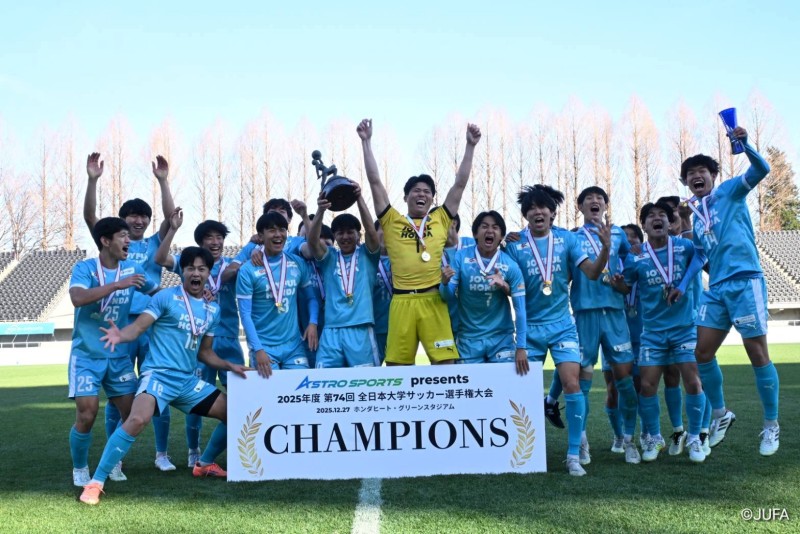
In Japan, the university football system existed very early. The All Japan University Football Championship has been held since 1953, gathering the strongest university teams in the country.
There is also the Prime Minister's Cup, a national tournament for university teams held since 1977. Very early on, Japan identified university football as part of the national football structure.
In Korea, from 1965, they had the National University Football League. Then, in 2008, the Korean Football Association (KFA) reformed the system and established the U-League, the national university football championship. The goal is to develop players, maintain university sports culture, and create a bridge between education and professional football.
Second, about how to build the system. Japanese university football is managed by the Japan University Football Association (JUFA). Their system operates according to a regional hierarchy model: Kanto League, Kansai League, Kyushu League, Tokai League, many other regional leagues. Each region has its own league system, then the strongest teams will participate in the national championship.
University tournaments often last the whole season, with a round-robin format similar to professional tournaments. This creates a stable playing environment for players for many years.
In South Korea, the system is operated through KFA and Korea University Sports Federation (KUSF). The main league is the U-League, with nearly 100 university teams from many regions participating.
Third, management and operation. In Japan, university tournaments are run by JUFA, while the Football Association (JFA) provides support in terms of stadiums and referees but does not directly manage the tournament. This operation makes universities the main actors of the system.
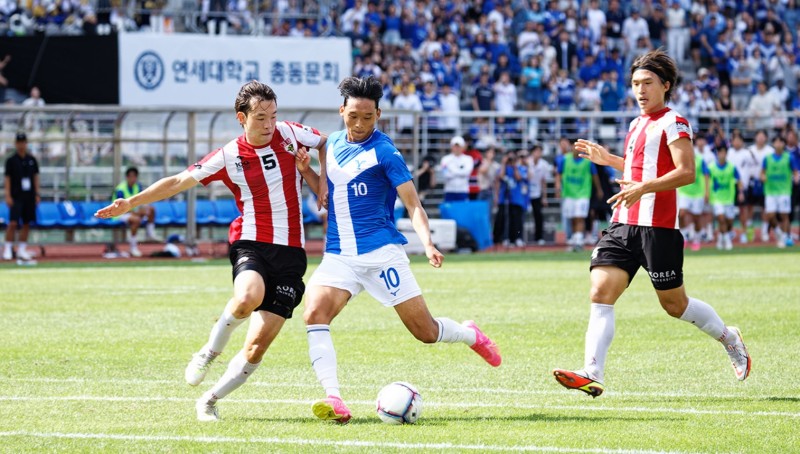
In South Korea, the U-League is run by KUSF, along with many strict standards. For example, students must meet academic standards to compete, if the average score is below the regulated level, players will be banned from competing. This regulation ensures that players are still true students, not disguised professional athletes.
In addition, South Korea also builds university teams by age group, which are selected and trained regularly to improve the overall level of student football.
This system helps track potential players, preparing resources for professional football.
Fourth, how to connect with professional football. The key point of these two models is interconnectivity. This allows many university players to be directly recruited into the J-League, K-League, professional clubs, and youth teams to also regularly follow university tournaments to choose sources from here. Thanks to this, university football becomes an important source of players for professional football.


