
In the afternoon of March 18, continuing the 55th session, the National Assembly Standing Committee gave opinions on the draft Law on Civil Status Registration (amended).
Presenting the Government's report, Deputy Minister of Justice Nguyen Thanh Ngoc said that regarding the amended and supplemented contents on the authority to register civil status (ĐKHT), the draft Law stipulates that commune-level People's Committees shall register all civil status events and information.
According to Deputy Minister Nguyen Thanh Ngoc, people have the right to request ĐKHT at any commune-level People's Committee, regardless of residence or administrative boundaries.
At the same time, supplementing the authority to register for supervision of guardianship, terminating supervision of guardianship related to the assets of the person being guardianized regardless of the place of residence of the individual to implement the requirements for comprehensive innovation in resolving administrative procedures and providing public services regardless of administrative boundaries.
Regarding the authority and obligations of ĐKHT, the draft Law supplements regulations on the rights and obligations of ĐKHT of people of Vietnamese origin who have not yet determined their nationality and reside in Vietnam; regulations ensuring the right to register births for children born in Vietnam or living on Vietnamese territory.
Regarding resolving DKHT requests, the draft Law stipulates the authority, subjects, and scope of each DKHT procedure, assigning the Government to specifically regulate dossiers, procedures, and deadlines for DKHT because these are contents that are easily fluctuating and changing according to actual time.
The draft Law supplements the regulation that the ĐKHT agency is responsible for proactively exploiting and searching for information on the relevant database in accordance with the level of response of the database.
At the same time, only require people to submit and present documents if information cannot be exploited or the exploited information is incomplete and inaccurate.
The draft Law stipulates the legal value of civil status papers, civil status information, electronic civil status data, and determines that electronic civil status data is as valuable as paper civil status papers when carrying out administrative procedures and other transactions.
In addition, people have the right to choose to submit dossiers and receive DKHT results online or directly or via postal service for all DKHT procedures.
The draft Law also clearly stipulates the types of civil status documents including: birth certificates, marriage certificates, death certificates and civil status confirmation documents.
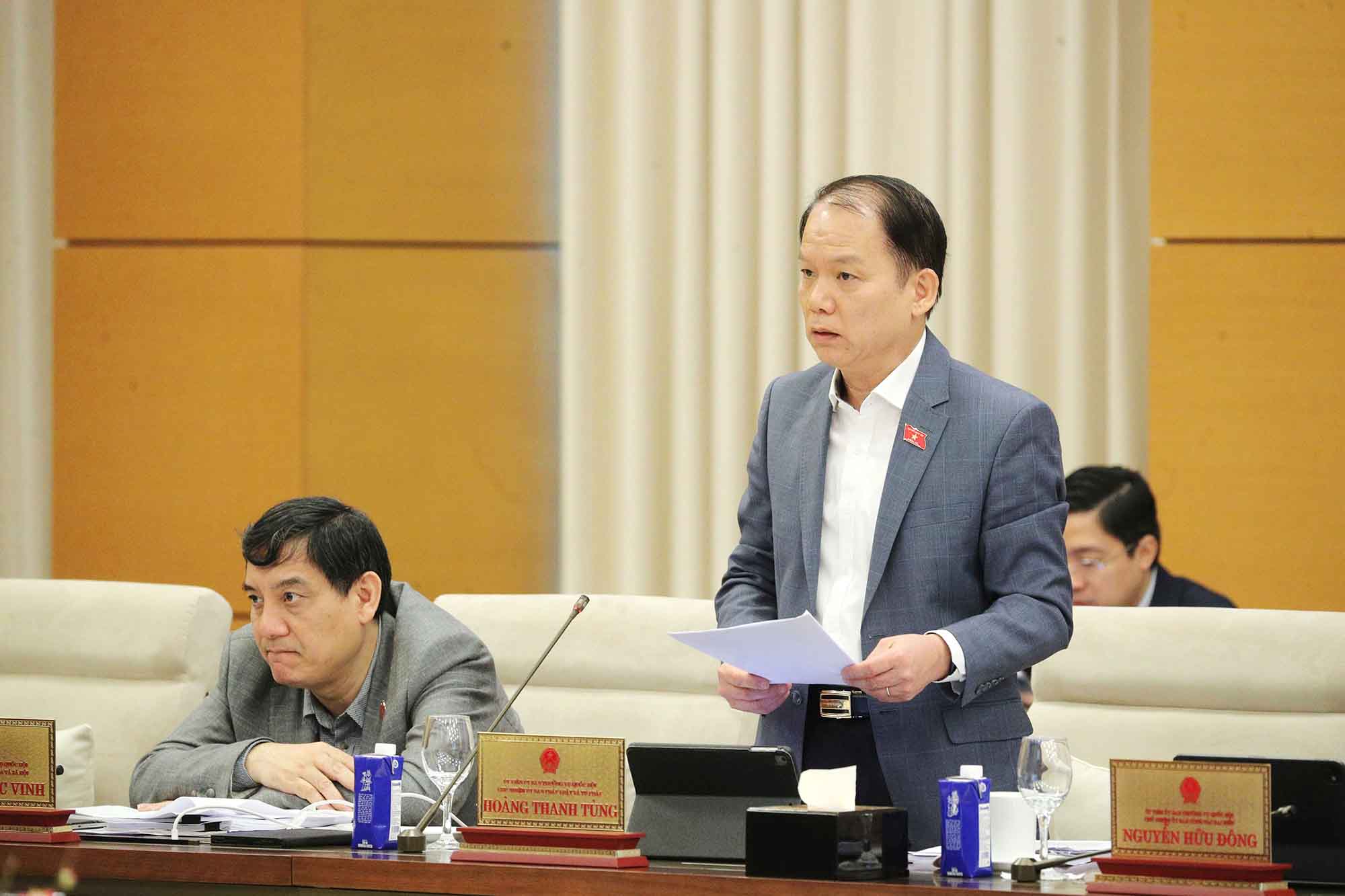
Verifying this content, Chairman of the Law and Justice Committee Hoang Thanh Tung agreed to strengthen the authority for communes and implement DKHT regardless of place of residence.
At the same time, recognizing the proactive registration regulation as a step forward in administrative procedure reform. However, the appraisal agency is concerned about the technological infrastructure and the actual time update of information in remote, isolated, and difficult areas, which may not meet this regulation.
Along with that, proactive registration may also encounter obstacles, because there is no basis to determine which commune-level People's Committee is responsible for carrying out registration when information from medical facilities flows into the system.
The thẩm tra agency also proposed to supplement regulations on the principle of data intercommunication between agencies when there is a change in civil status information; and at the same time, it is necessary to clarify the process of storing historical data to serve recovery when the system encounters problems.


