
On July 2nd, a workshop on promoting the leadership role of the Party, improving the quality and effectiveness of the supervisory activities of the National Assembly and People's Councils (HĐND) took place in Hanoi.
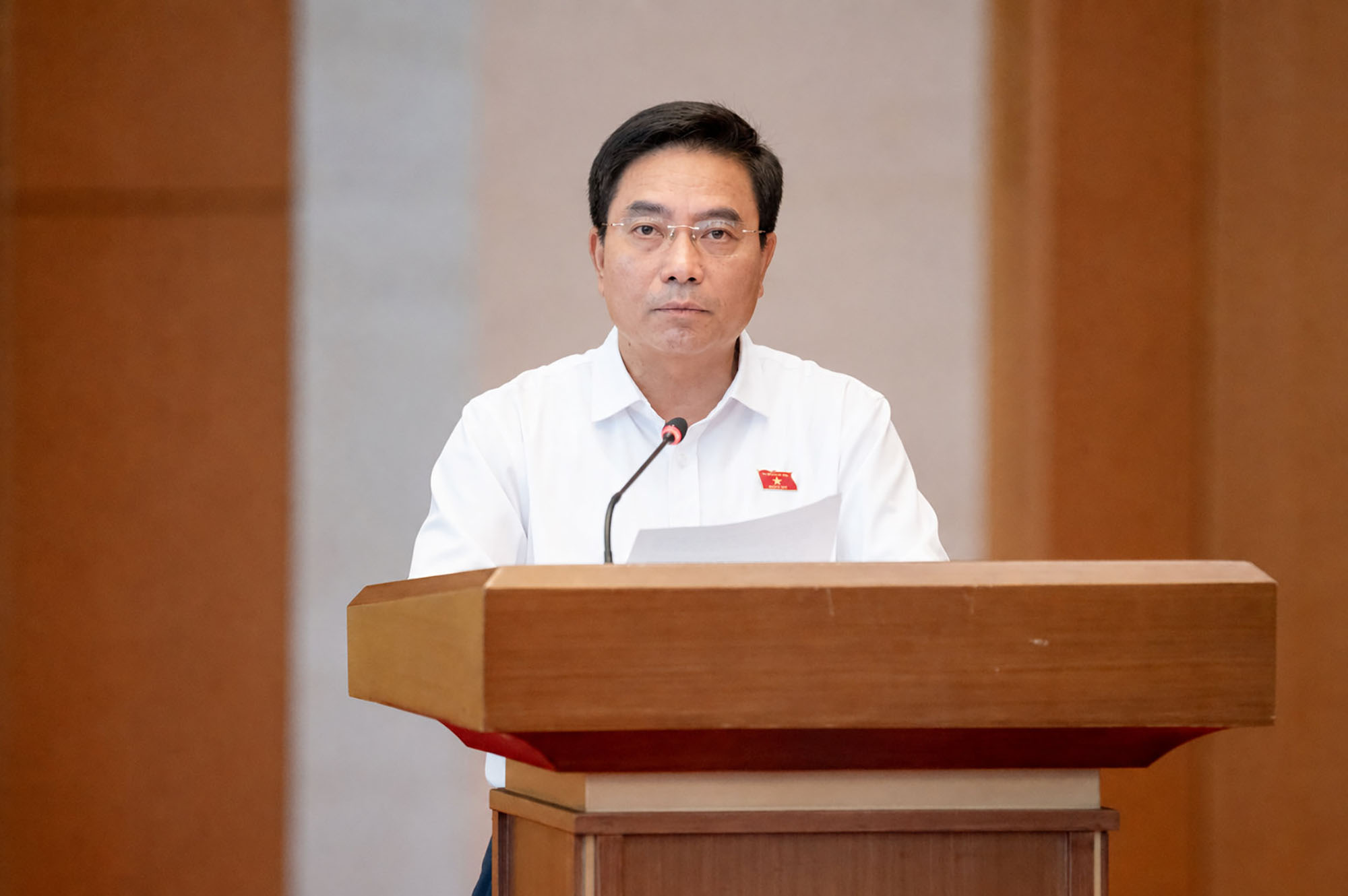
Speaking at the workshop, Member of the Party Central Committee, Vice Chairman of the National Assembly Nguyen Doan Anh affirmed that the results of supervision have made an important contribution to perfecting policies and deciding on important issues of the country.
At the same time, the results of supervision also ensure discipline and order, improve the capacity and operational efficiency of the state apparatus and become an effective method in controlling state power.
However, the Vice Chairman of the National Assembly also pointed out that the supervisory activities of the National Assembly and People's Councils still have some shortcomings and limitations.
In which, coordination in supervisory activities is not smooth, leading to overlaps in content and supervisory areas; the implementation of resolutions, conclusions, and supervisory recommendations of some agencies, organizations, and individuals subject to supervision is not strict.
The mechanism in data sharing to serve supervisory activities, the connection between supervisory activities and inspection, examination, audit, investigation, prosecution, and trial activities is not regular and still fragmented.
One of the causes of shortcomings and limitations is that the awareness of some Party committees, Party organizations, and heads about the functions, positions, and roles of supervisory activities is not really complete.
The leadership and direction of the implementation of resolutions, conclusions, and supervisory recommendations of the National Assembly and People's Councils in some places and at some times has not been truly thorough, comprehensive, and lacks decisiveness.
Some agencies, organizations, and units have not seriously implemented the requirements and requests in providing dossiers and documents, and sending reports late, which significantly affects the effectiveness and efficiency of supervisory activities.
Presenting a presentation at the Workshop, Deputy Head of the National Assembly Delegation (NA Delegation) of Quang Ninh province Nguyen Thi Thu Ha said that the supervisory activities of the National Assembly, People's Councils, NA Delegation and elected representatives are one of the important methods to control state power.
Supervisory activities also ensure the implementation of the Constitution and laws, improve the effectiveness and efficiency of the state apparatus and protect the legitimate rights and interests of the people.
In the context of building and perfecting the socialist rule-of-law State of Vietnam, strengthening the Party's leadership over supervisory activities is not only a political requirement but also an objective requirement, in order to ensure proper, substantive, effective supervision and better serve the country's development.
The Deputy Head of the Quang Ninh Provincial National Assembly Delegation said that the Provincial Party Committee and the Standing Committee of the Provincial Party Committee always identify the supervisory activities of the National Assembly Delegation as an important channel in controlling state power, detecting inadequacies in mechanisms and policies and promptly reflecting to the National Assembly, Government, and competent agencies.
Besides the achieved results, the Deputy Head of the Quang Ninh Provincial National Assembly Delegation also frankly pointed out some limitations that need to be further researched and improved.
In which, the institutionalization and organization of the implementation of the Party's guidelines and orientations for supervisory activities at times and in some aspects are still not synchronized.
The leadership methods, coordination mechanisms and responsibilities of Party committees and Party organizations in orienting, monitoring, and evaluating supervisory activities need to continue to be improved.
The work of building and exploiting information sources for supervision has not really met the requirements; the connection and sharing of data, promoting the role of experts, organizations, and people in providing information and criticism are still limited.
Notably, the monitoring and urging of the implementation of conclusions and recommendations after supervision in some places is still not drastic; the mechanism for inspecting and supervising the implementation of recommendations and accountability is not strong enough to create clear changes in practice.


