
Cannot just aim to "solve the personnel problem
When implementing the 2-level local government model, non-specialized commune-level forces will only be temporarily arranged until May 31, 2026.
After this milestone, localities must complete plans to arrange and resolve regimes for about 120,000 people nationwide.
In Can Tho, according to Deputy Director of the City Department of Home Affairs Nguyen Thi Hong Hanh, the Department has coordinated with the People's Committees of communes and wards to develop specific plans to arrange and assign non-specialized staff.
For groups that meet the correct and sufficient standards, the Department has coordinated with the People's Committees of communes and wards to receive 120 cases of non-specialized officials to work at the People's Committees of communes and wards.
In addition to Can Tho, many other localities are also urgently inspecting, testing and completing plans to receive non-specialized commune-level personnel into civil servants before the prescribed time milestone.
M.A. Nguyen Tuan Anh - specializing in Public Policy, said that the examination to receive the above subjects into civil servants is of key significance, if not implemented strictly, it is very easy to fall into the situation of "receiving for completion", legitimizing input, while civil servants are positions that require high standards.
According to him, the most important criterion must be the ability to perform official duties. The recipient needs to prove their ability to handle administrative work, communicate with people, coordinate with colleagues and withstand work pressure, instead of just relying on seniority or qualifications.
In addition, qualities, sense of responsibility and prestige are also factors that need to be especially emphasized. At the grassroots level, the working efficiency of each individual is clearly assessed by the collective and people, so the testing process needs to combine competency testing and considering practical work.
Another criterion is to be associated with specific job positions. Agencies that need a position should choose people suitable for that position, avoiding the situation of "position design according to people", which affects the quality of the apparatus in the long term.
“The reception of civil servants cannot only be aimed at "solving the personnel problem" in a situational direction, but must be a serious screening process to select the right people to meet the requirements of the civil service system,” he emphasized.
Both training and establishing an evaluation mechanism
Regarding the post-acceptance phase, Mr. Nguyen Tuan Anh said that this is only the beginning of the standardization process. The transition from non-specialized positions to civil servants entails major changes in legal requirements, public service discipline, dossier processing procedures, application of technology and administrative skills, so there needs to be a systematic training and fostering program.
The training content should focus on three main competency groups, including: legal knowledge and administrative procedures; digital skills in management and work processing; along with citizen reception skills, situation handling, ethics and public service culture.
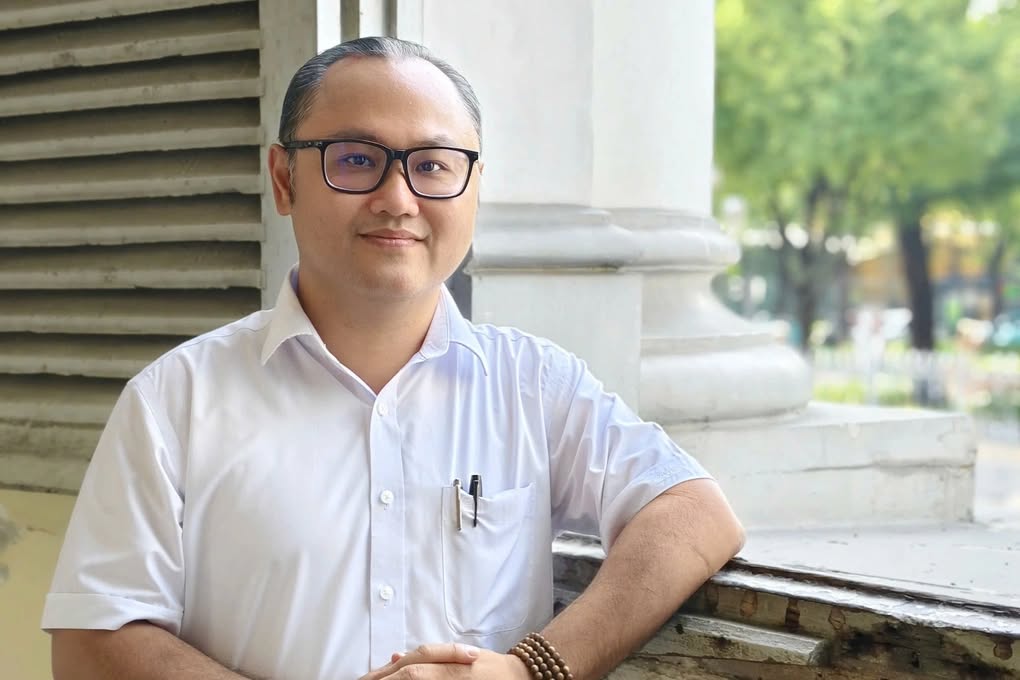
He also noted that at the grassroots level, just one improper behavior can undermine people's trust.
In parallel with training, it is necessary to establish a re-evaluation mechanism after a certain period of time, such as 6 months or 1 year, to check the level of job suitability, adaptability and progress of each individual.
According to him, the reception needs to be carried out in a humane but close spirit, recognizing the contributions of the team that has been attached for many years, but at the same time must ensure public service standards, not lowering requirements for civil servants.


