
Suspicious labyrinth behind the horror legend
Phi Phong: The Blood Devil of the Sacred Forest" opens in the context of a highland village in the Northwest, where spiritual beliefs dominate life. A series of unusual deaths makes the legend of Phi Phong from folk tales become an existential obsession.
The film does not portray demons directly, but puts them in an unrecognizable state, possibly hiding under human form. This blurs the line between truth and falsehood, victim - perpetrator, pushing viewers into a state of continuous suspicion. Con and Duong's journey therefore quickly shifts from saving their mother to searching in uncertainty, where all assumptions can be reversed.
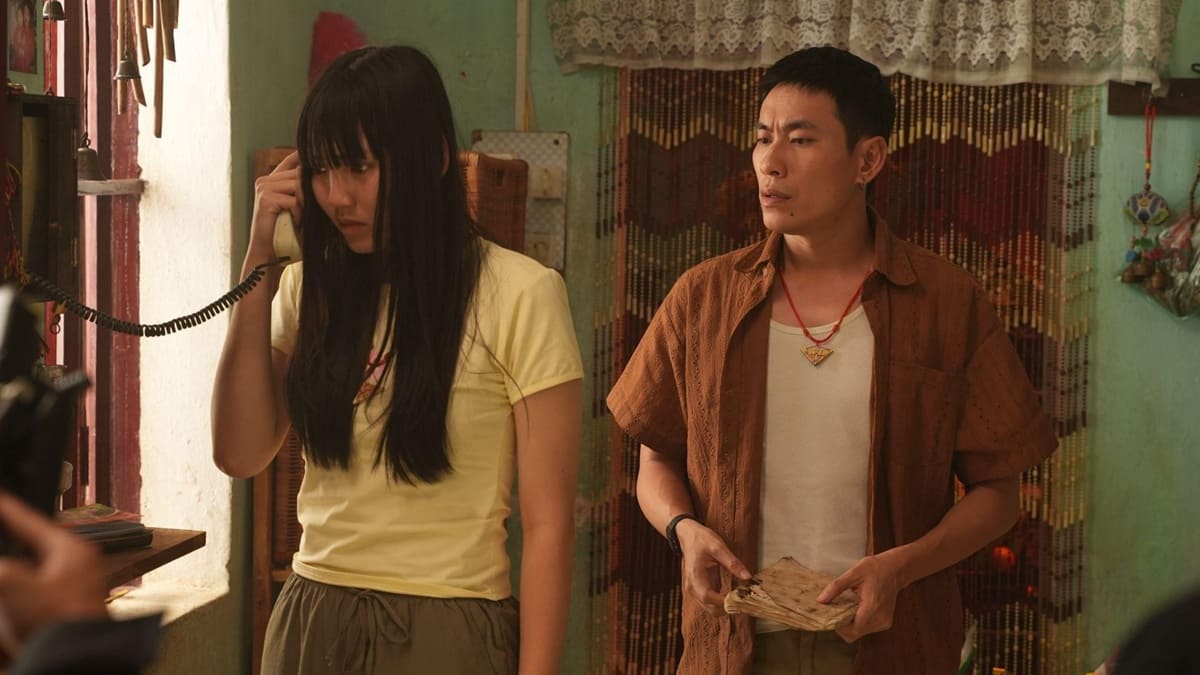
As the layers of information are gradually removed, the film opens up the possibility that the supernatural element is not the cause, but humans themselves are the agents that create unfortunate consequences.
Cinematic language and rhythm weave the feeling of obsession
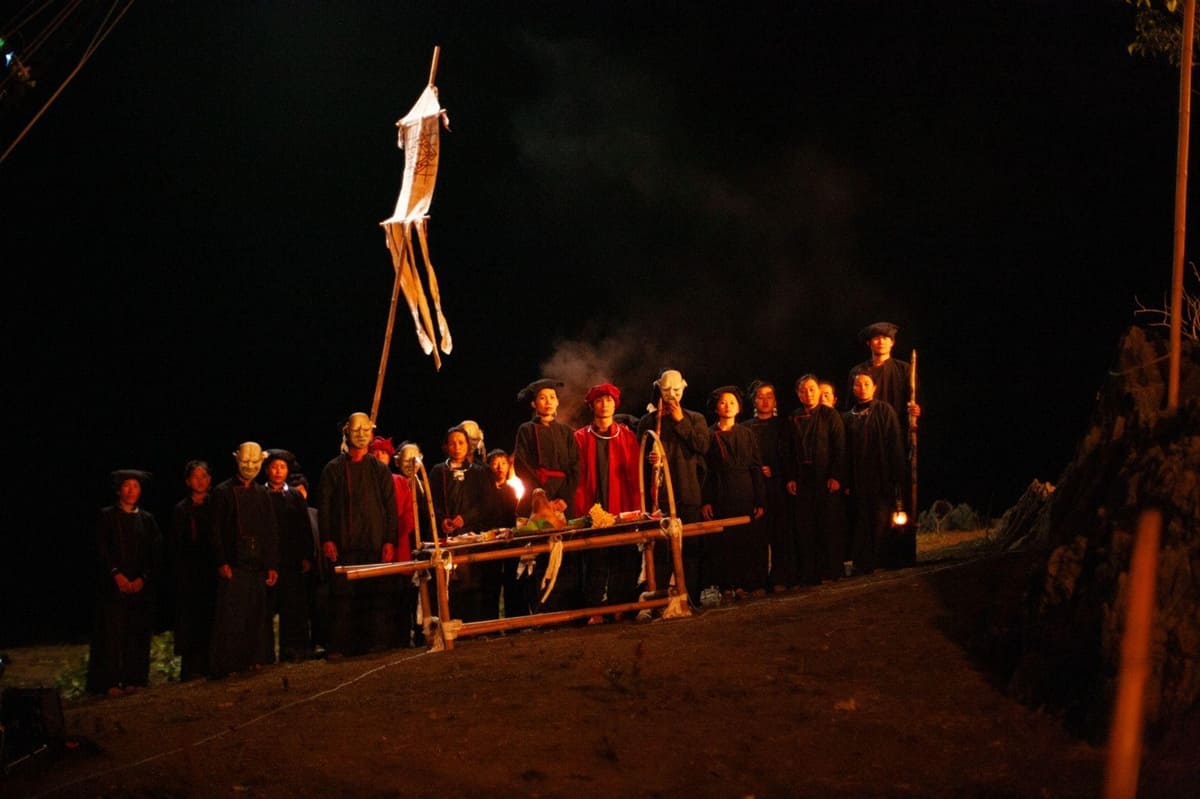
Phi Phong: The Devil of the Sacred Blood Forest" chooses a slow-burn narration method, where fear is accumulated through the pace of the film, space and staging. The frames, camera angles and colors are intentionally combined, creating the feeling that viewers are "kept" in the story itself.
With this form of storytelling, controlling the pace and amount of information is a key factor. The film maintains balance, when the story is still conveyed clearly, without breaking, and at the same time has enough stretch to maintain a sense of insecurity.
The noteworthy point lies in the way fear is formed: not breaking out at the climax, but appearing from details that are easily overlooked. It is the vague state, appearing and disappearing, that creates a characteristic creepy feeling, lasting until the last minutes.
When evil entities are not as scary as people's hearts
One of the notable points of "Phí Phông: Quỷ máu rừng thiêng" lies in the way the film shifts the focus of fear. If at the beginning, the horror element is led by the image of "Phí Phông", then later on, the focus gradually shifts to people.
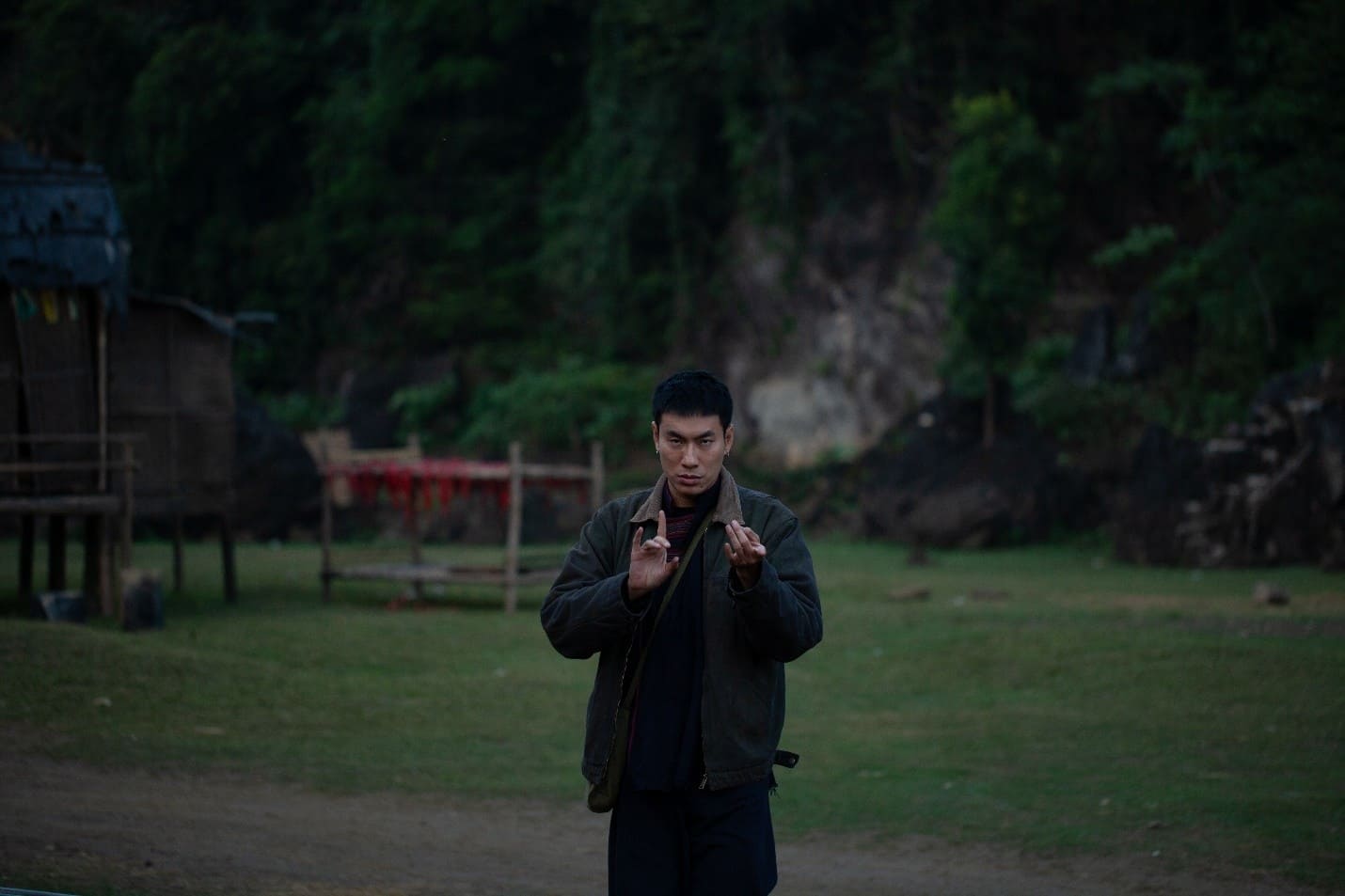
In terms of acting, Kieu Minh Tuan clearly shows the psychological shift of the character through a restraintful expression, limiting dialogue and focusing on expression. When falling into a stage where the state is dominated, acting is pushed up but still maintains control. This contributes to keeping the emotional flow coherent, not breaking the slow-burn rhythm that the film pursues.
In addition, the Lua character line (played by Nina Nutthacha Padovan) with continuous transformation plays the role of creating interference, making the reactions in the story always unpredictable. Supporting roles are built just enough but still ensure the function of keeping the rhythm, maintaining balance for the entire structure.
Doan Minh Anh in the role of Duong scores points when clearly showing the image of a character possessing "yin and yang eyes" through flexible eyes and fearful expressions. Thanks to that, the horror experience is increased when the audience is forced to "look" according to what Duong feels. The detail of covering one eye like the way of "labeling" yin and yang is also handled reasonably, both consolidating the supernatural element and suggesting many layers of meaning.
With this approach, the film does not stop at creating fear, but directs viewers to a different perception: what is worrying is not in the supernatural entity, but in how people react when beliefs are challenged and the familiar order begins to falter.
Phi Phong: The Devil of the Sacred Forest" is currently being screened at cinemas nationwide.


