
Right from the first episodes aired, Lan Bien quickly created a remarkable attraction. The film is constantly in the top of social media discussion, recording positive ratings and towards the end, the drama is pushing to its climax.
According to statistics from RatingsVTV, episode 1 aired on the evening of October 28 recorded 2.48 million viewers per minute (rating 3.5%), more than 3.2 million streams. In episode 2 on the evening of October 29, the number of viewers remained stable at 2.1 million people/minute, with 2.67 million streams. Up to now, the film continues to attract the attention of the audience with thrilling and unpredictable details.
In the context of political films often being labeled as "heavy", "difficult to watch", "Lan Dao" takes another path: facing the thorny problems of life frankly, placing characters in difficult choices, where the line between right and wrong is safe - facing the truth is always fragile.
Viet Dong province and " ethical testing" when streamlining the apparatus
Taking the context of the fictional province of Viet Dong, "Lan Bien" sets the story in the period of administrative restructuring: merging units, streamlining focal points, rotating - appointing personnel. This sensitive moment becomes an " ethical test" for the entire public authority system, when all decisions are associated with benefits, responsibilities and many temptations.
The "hot spots" throughout the film are built intertwined and interconnected: Trinh Tam apartment project with prolonged violations, gambling rings, calculations to run for the department director's chair, or stories of "grease" the project to legalize violations.
All of these create a realistic picture of conflicts of interest that do not only exist on paper, but directly affect people's lives.
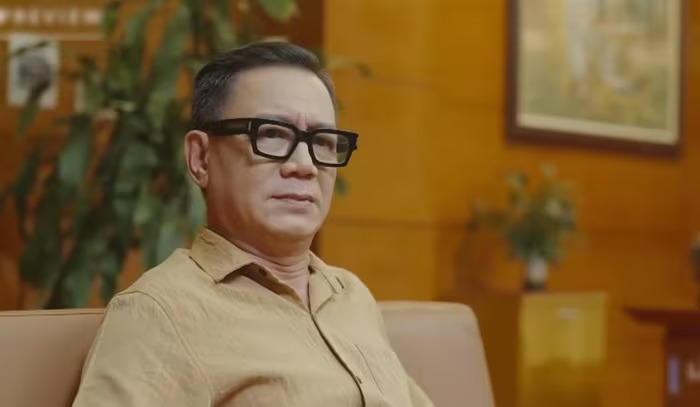
Character on the ethical line
The notable point of Lan Bien lies in the way the characters are built. The film does not divide the world into two separate colors of white and black, but puts people in situations where they have to choose.
The trio of provincial leaders, including Mr. Son - Thuy - Sach, represent different approaches to the same problem: whether to make a commitment or face it off, prioritize "stabilizing personnel" or doing the same thing. Each option has a price to pay.
Characteres such as Trien, Khac, Vinh, Vien... are depicted very "real-life": from being affectionate with family members, lacking courage under pressure, to gradually overcoming the sometimes bad legal boundary.
Notably, Bui Hang Thu, Deputy Director of the Provincial People's Procuracy - the person standing between the pressure of promotion and choosing to protect justice, represented the silent but persistent inner struggles.
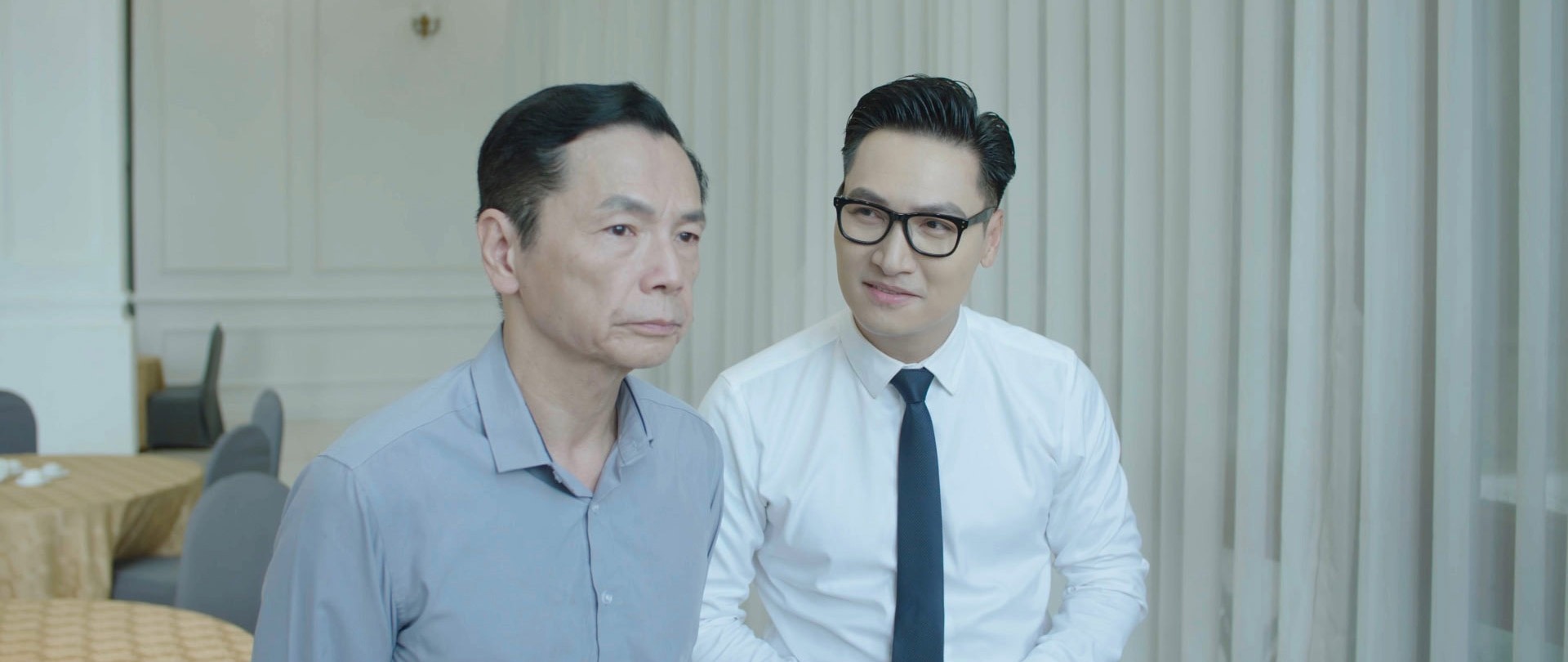
Although it is full of political color, "Lan Bien" does not fall into a dry narration style. The lines use many legal and organizational terms, but are reasonably restrained, interwoven with family relationships, feelings, and personal life, helping the characters get closer to the audience.
The structure of the film is deployed in a composure form: each episode opens an additional knot of the case, while at the same time fliping over an additional layer of character psychology.
This way of telling makes viewers not only follow the developments of the incident, but also get caught up in the process of the characters expressing themselves and pushing themselves to the limit of choice.
In addition to the political stories related to administrative reform, the audience still knows the private life of the Standing Deputy Secretary of the Provincial Party Committee Le Dinh Sach (NSND Trung Anh), the conflict within the family of Deputy Director of the Provincial People's Procuracy Bui Hang Thu (Hong Diem).
The interweaving of content between work and life also puts the characters in front of the lines between work and life, the way they are pushed to the lines they are forced to choose.


