
From customary law to heritage
Na Hau is a locality located in the core area of Na Hau Nature Reserve, Lao Cai province and is a long-standing settlement of the H'Mong people.
The lives of people here mainly depend on forests, relying on forests, forests are both a source of life and a sacred space that needs to be protected.
Mr. Sung A Senh (in Ban Tat village, Tan Hop commune) said that the people here have lived in harmony with the forest for hundreds of years.
Understanding the law of the forest, people set out regulations and village regulations that are respected by the community as customary laws and passed down from generation to generation in preserving and protecting the forest.
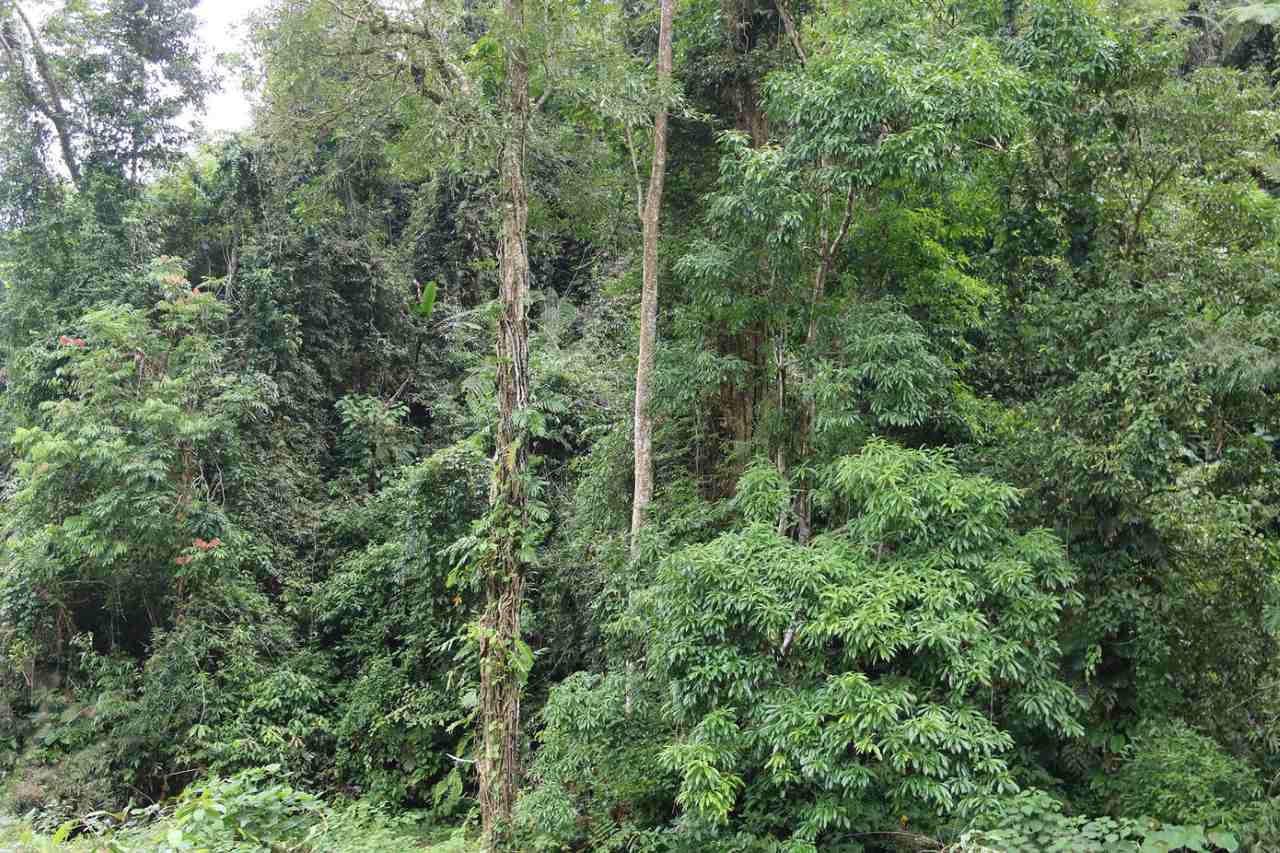
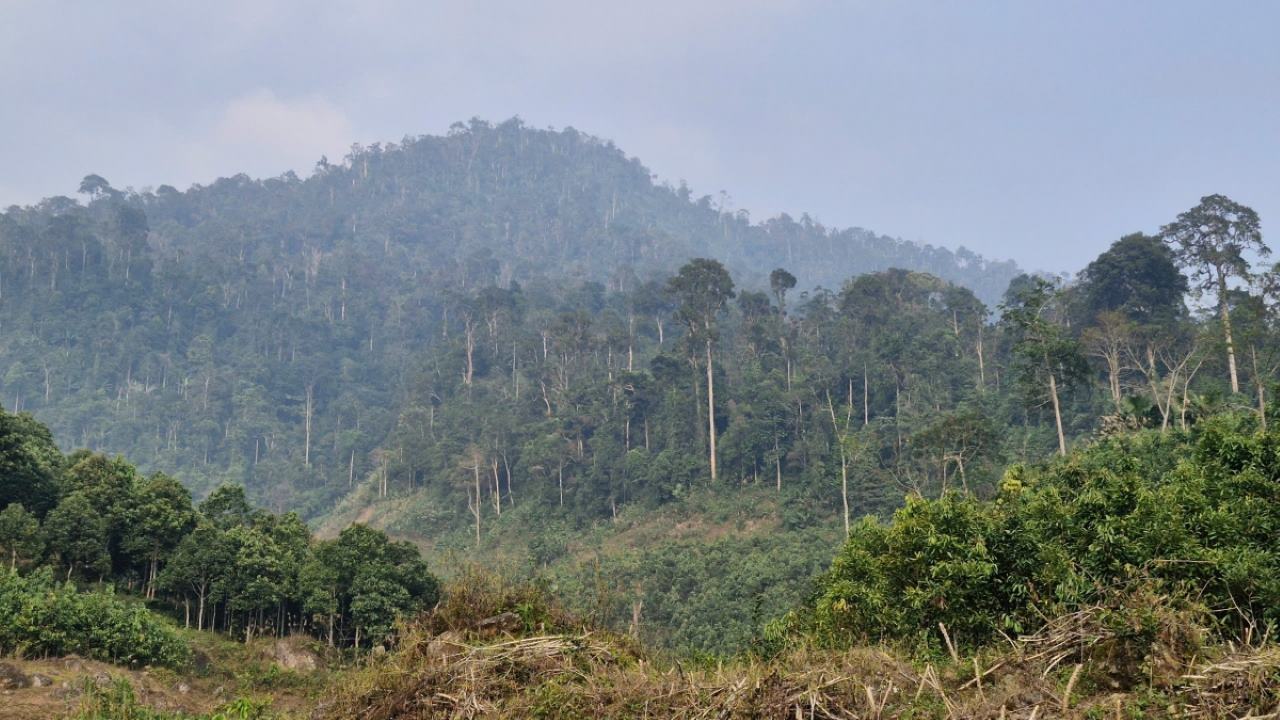
Mr. Senh said: "Without protecting the forest, there will be no drinking water, no water for rice cultivation, and future generations will not enjoy fresh air.
In each village of Na Hau, there is a forbidden forest - sacred forest, this is a place that gathers all the spiritual energy of heaven and earth to worship the Forest God with "inviolable" regulations.
According to the H'Mong people's belief, it is a place to shelter villagers from the wind, from flash floods, to give villagers products to eat, water to drink and irrigation for the fields.
Every year, at the end of the first lunar month, people here organize a ceremony to worship the forest god to thank him for blessing the villagers during the year, praying for favorable weather, bumper crops, and healthy people.
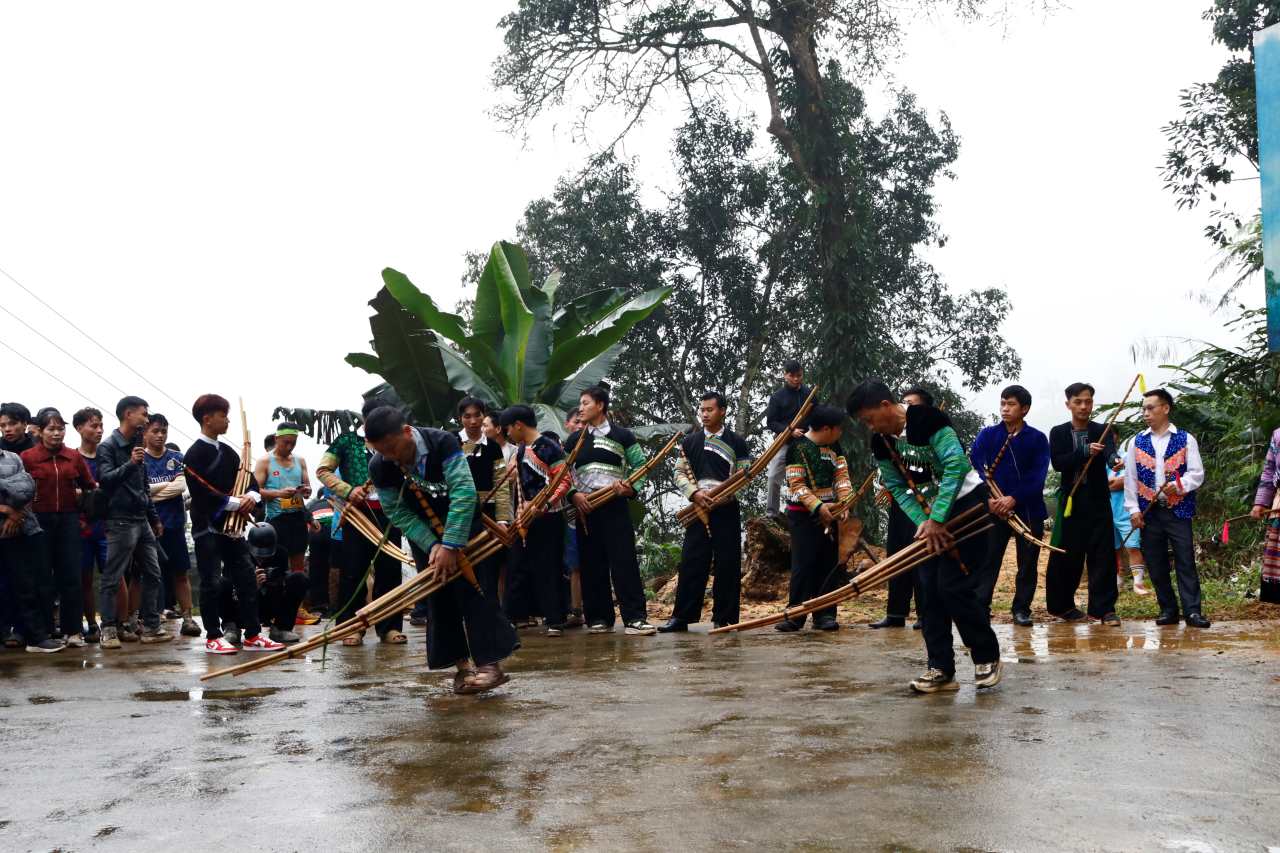

The forest worshiping ceremony is held simultaneously at many points in the conservation area. Starting with the offering procession of a pair of roosters and hens, a black pig, wine, cakes... contributed by the people. After arriving at the ceremony venue, the shaman proceeds to cut off the chicken blood, pig blood, chicken feathers are smeared with blood and pasted on the base of an ancient tree.
At the end of the main worship ceremony, the shaman and the people spread out leaves and sat down together to meet, assess the forest protection situation last year and jointly swear to protect the forest.
Next, the village head and people elected a self-management team to protect the forest in the new year (formerly called the forest owner by the H'Mong people). Finally, the people organized a solidarity meal.


A special thing in the forest worshiping ceremony of the H'Mong people in Na Hau is that during this time, villages all "close the forest" for three days to thank the Forest God.
During these three days, everyone must absolutely implement the taboos that have been stipulated according to customary law, which are not to go into the forest to cut down green trees, not to bring green leaves from the forest home, not to dig tubers, break bamboo shoots, not to dig soil, not to let livestock roam free, not to dry clothes outdoors, not to grind corn, grind rice...
Turning heritage into property
In 2024, the Forest Worshiping Ceremony of the H'Mong people in Na Hau was decided by the Ministry of Culture, Sports and Tourism to announce the List of National Intangible Cultural Heritage.
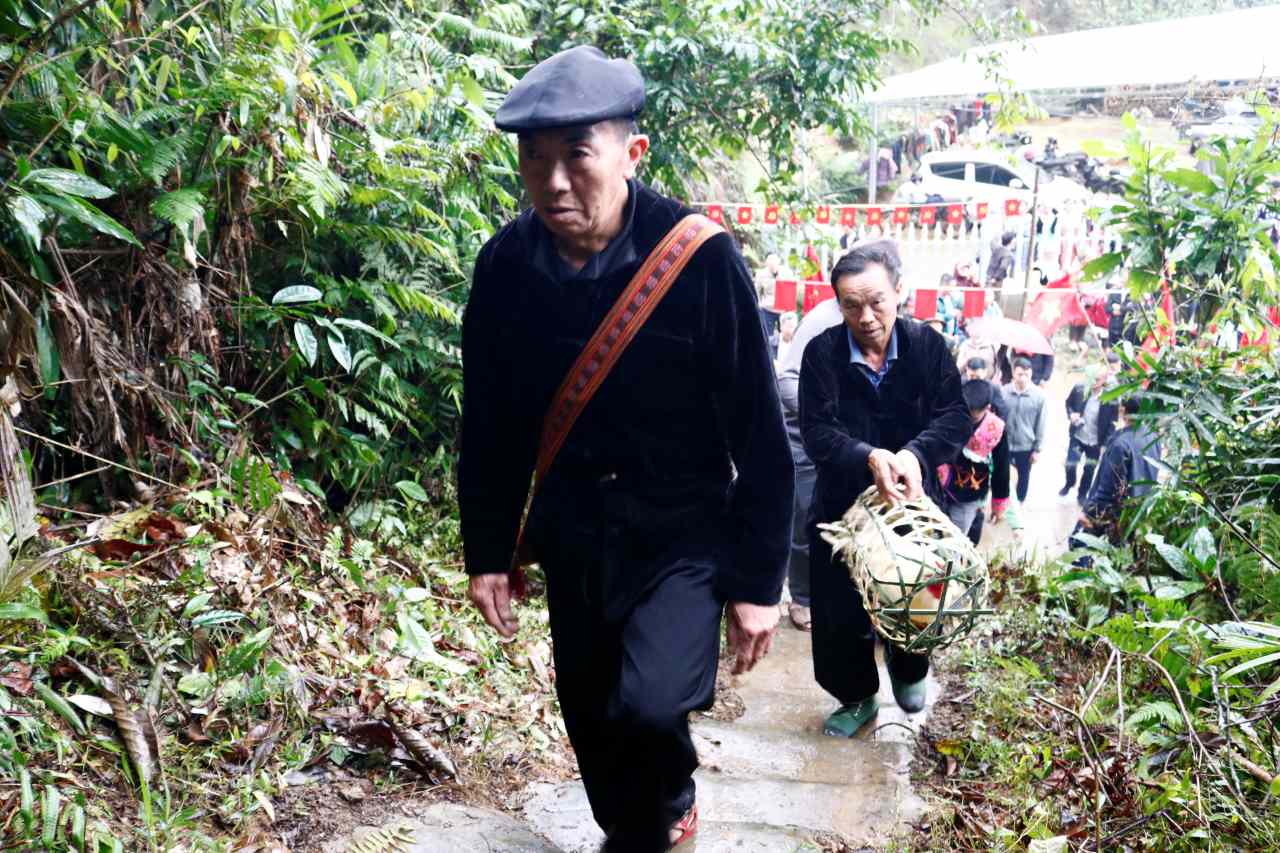
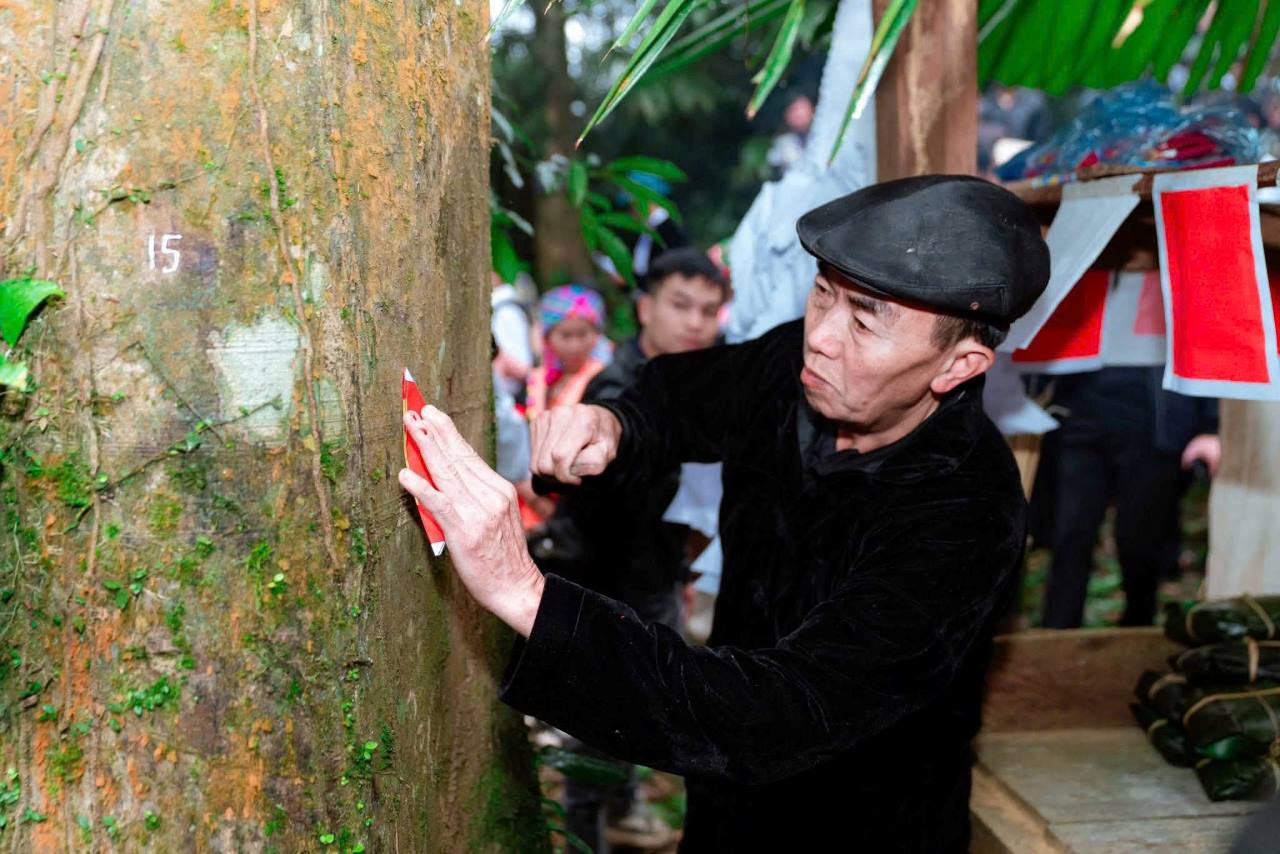
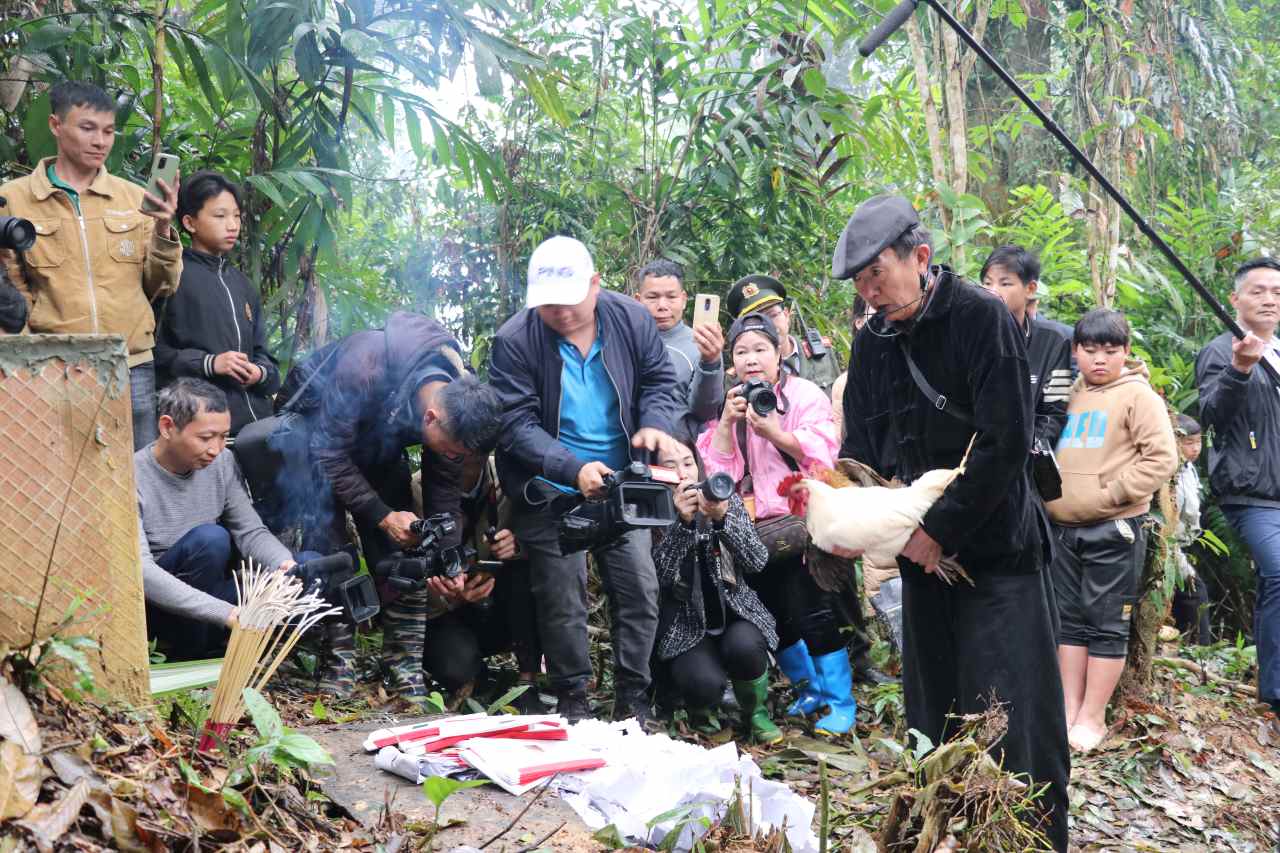
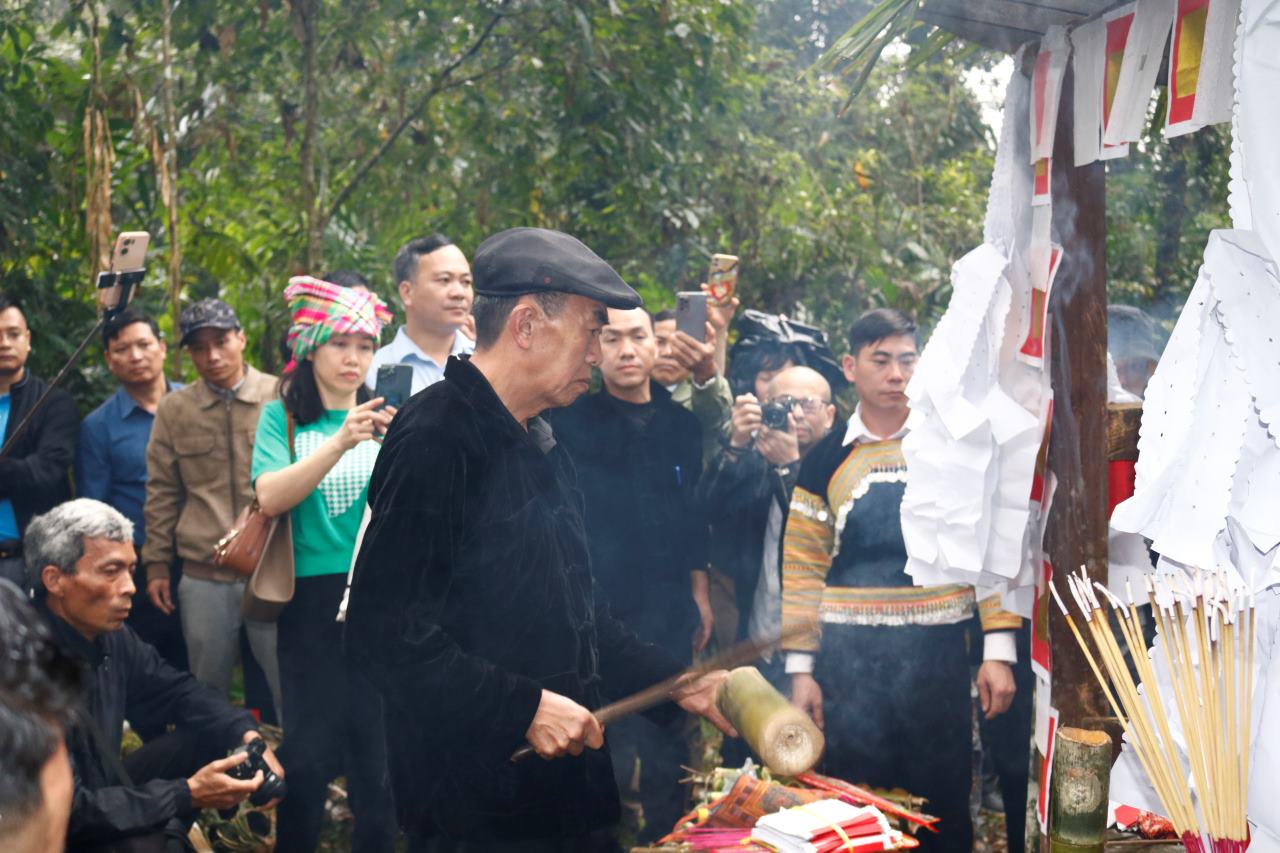
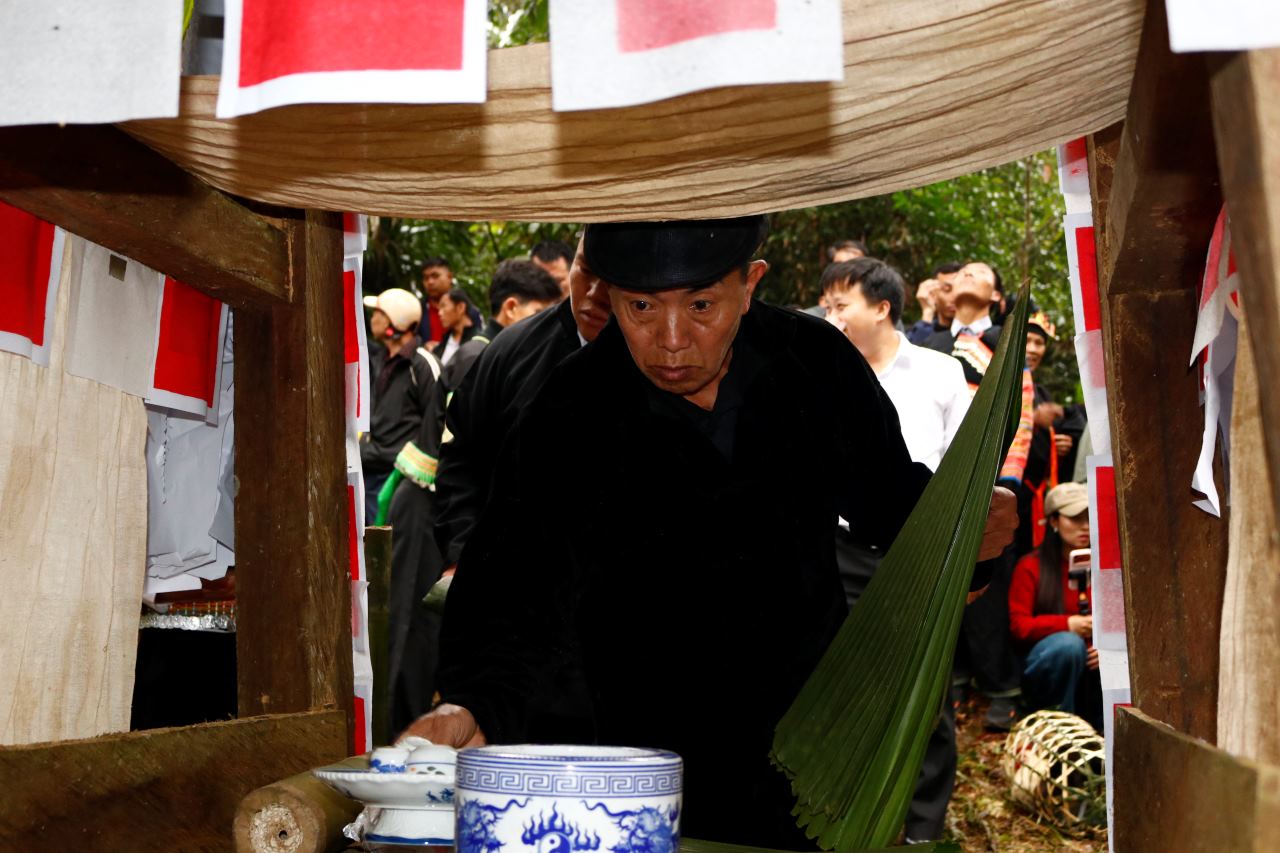
The recognition of heritage helps preserve profound human values, raise community awareness in protecting forests and preserving traditional culture.
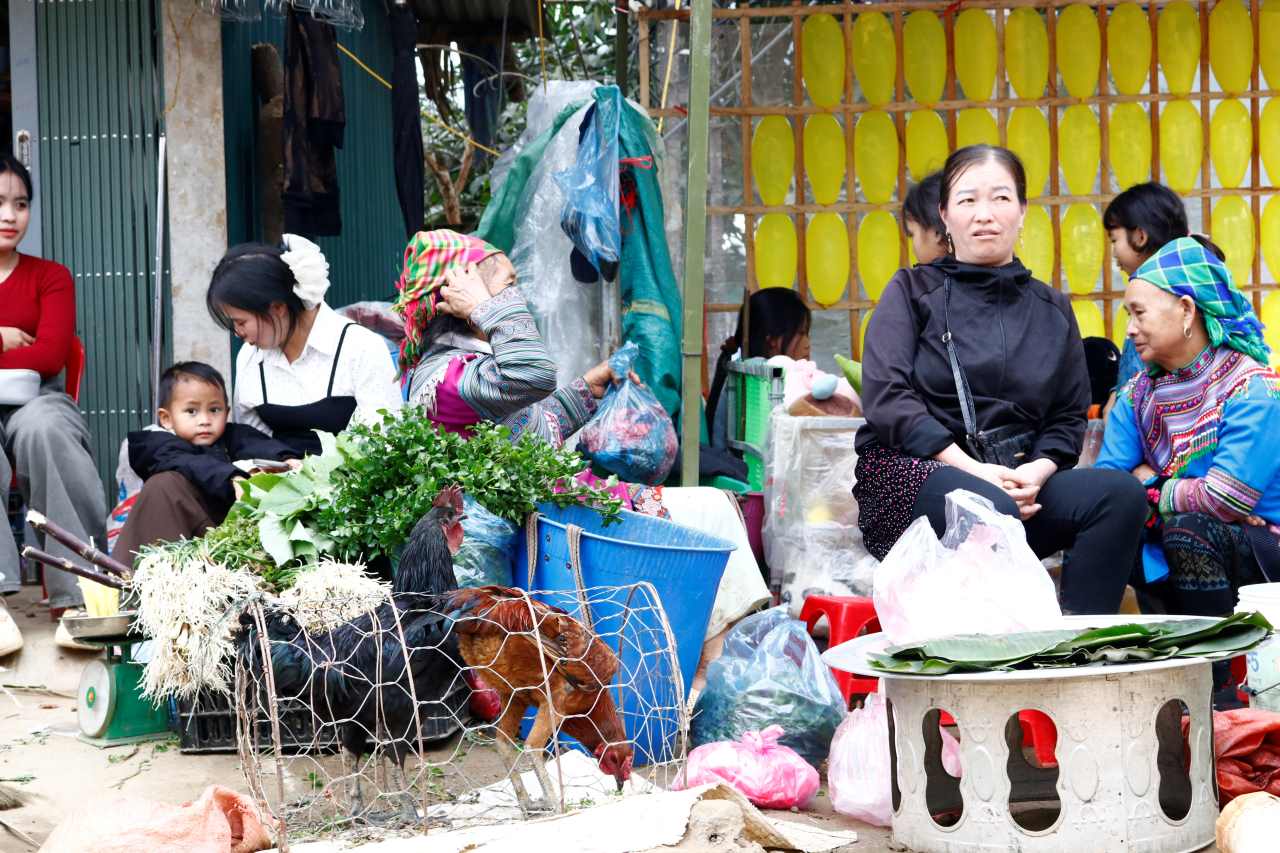
Ms. Cu Thi Sam (Na Hau village) shared that for the H'Mong people here, the forest worshiping festival is the most important and anticipated festival of the year. This is an opportunity for people to go out, socialize, and meet brothers, friends, and relatives.
People in the village, whether they go to work far away or anywhere, but on Tet day, the forest tries to return home to participate in the ritual, to thank the forest god for protecting their peaceful life," Ms. Sam said.
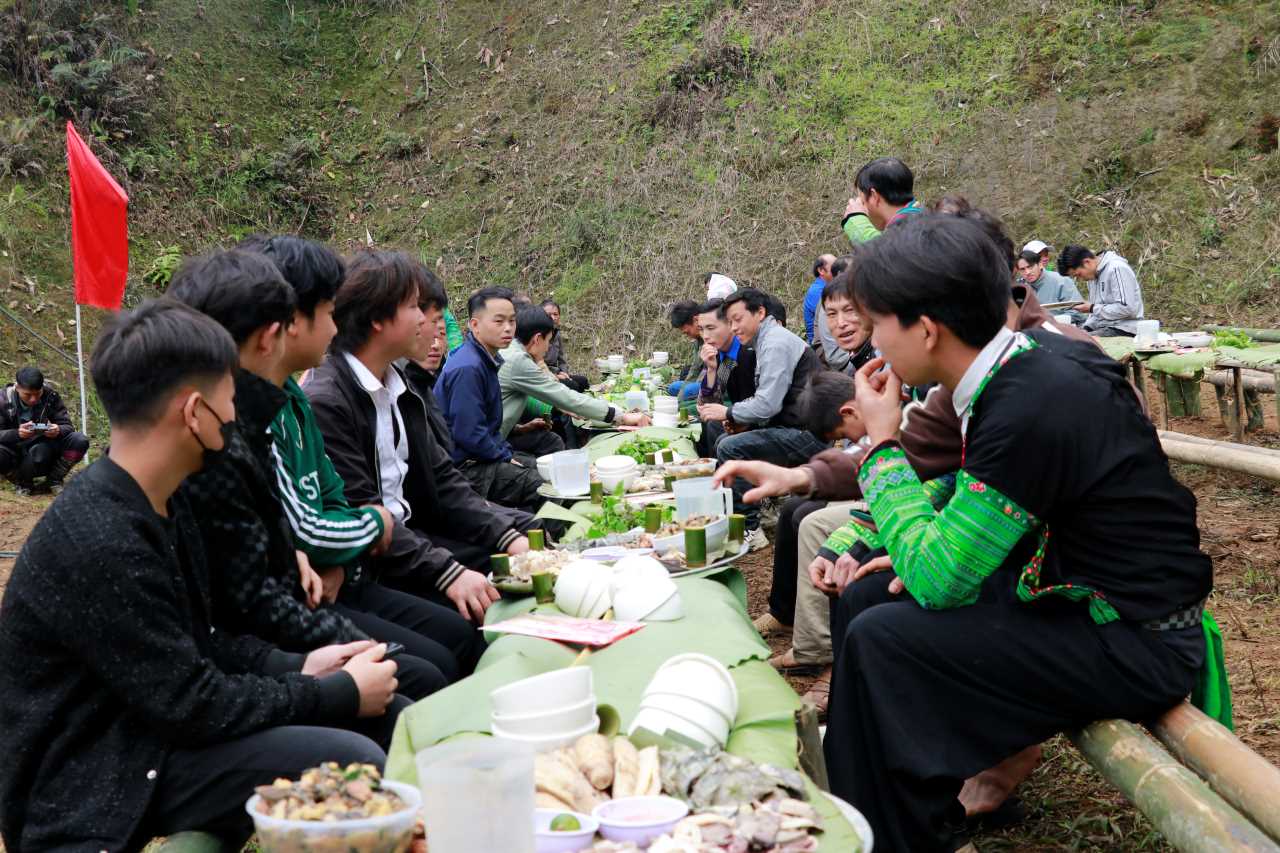
Talking to Lao Dong Newspaper, Mr. Ha Trung Kien - Chairman of Tan Hop Commune People's Committee said that this is an opportunity for Tan Hop commune to gradually introduce and promote the unique cultural values of the H'Mong people and the majestic natural landscapes.
In the coming time, Tan Hop commune orients the development of ecotourism associated with forests, community tourism associated with national cultural identity to preserve culture and create more livelihoods to increase income for people, contributing to building a more sustainable homeland.


