
Receiving reporters, Mr. Thao A Co (San Tra village)'s eyes still have the haunting memories of the old days. His old wooden house is located close to the foot of the taluy, where every heavy rain brings soil and rocks down.
There are nights when the whole family is sleeping and has to wake up, shouting to each other to run out in the rain because they hear the sound of rocks and soil rushing behind them. "The scariest thing is that at that time I don't know when it stops...", Mr. Co recounted.
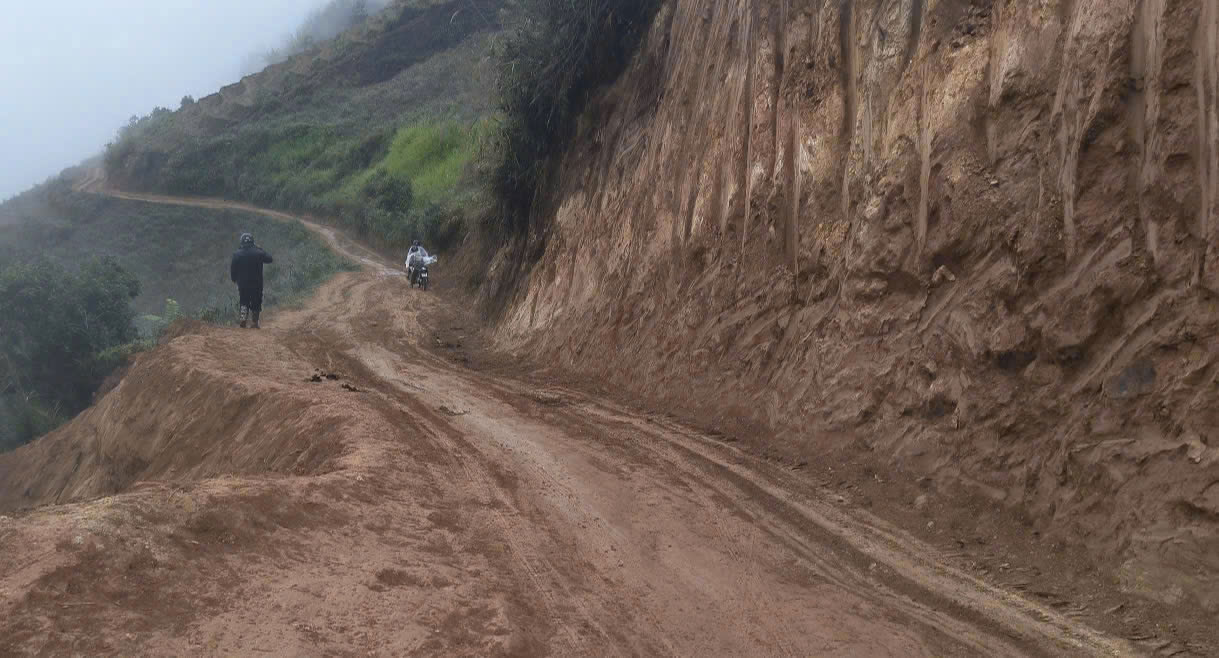
San Tra used to be such a place. The red dirt road into the village every rainy season turns into mud, vehicles skid, many sections sink deeply. But the difficult road is not the most frightening thing. What makes people uneasy is the hanging cliffs behind their houses.
Among 105 households, there are 18 households living in areas at high risk of landslides. For nearly ten years, they have been accustomed to the scene of going to the fields during the day and anxiously listening to every sound from the mountain at night. Knowing the danger, but poverty and lack of residential land make them have no choice but to stick to it.
The turning point came at the end of 2025, when Hanh Phuc commune implemented the Campaign "Quang Trung - building houses for households in landslide-prone areas".
The decision to remove 18 households from dangerous areas is not just a policy, but a real "mountain relocation".
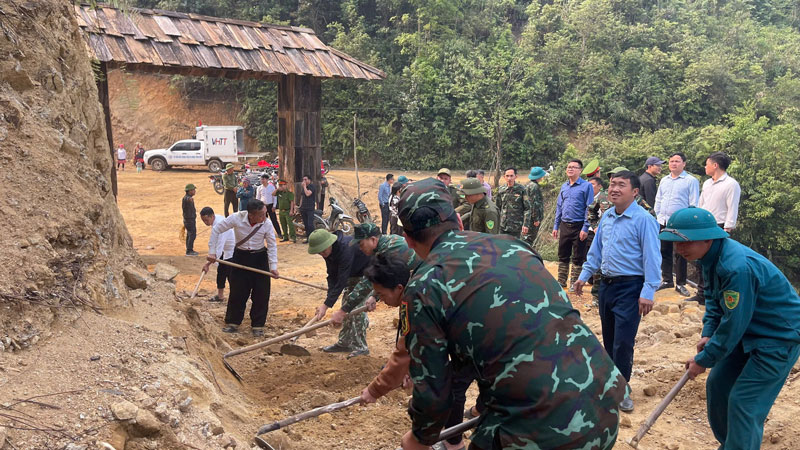
For a whole month, commune officials almost ate and slept in the village. Working groups followed each other to San Tra, together with the people clearing trees, breaking rocks, and opening roads. At that time, the entrance to the resettlement area was just trails crossing the mountainside.
To have a house foundation, you have to break rocks by hand. To have electricity, you have to pull each meter of wire through the forest. To have water, you have to lead each pipe across the stream.
Young people, militia, commune officials... everyone contributed their strength. Support from philanthropists added strength to gradually shape the wasteland.
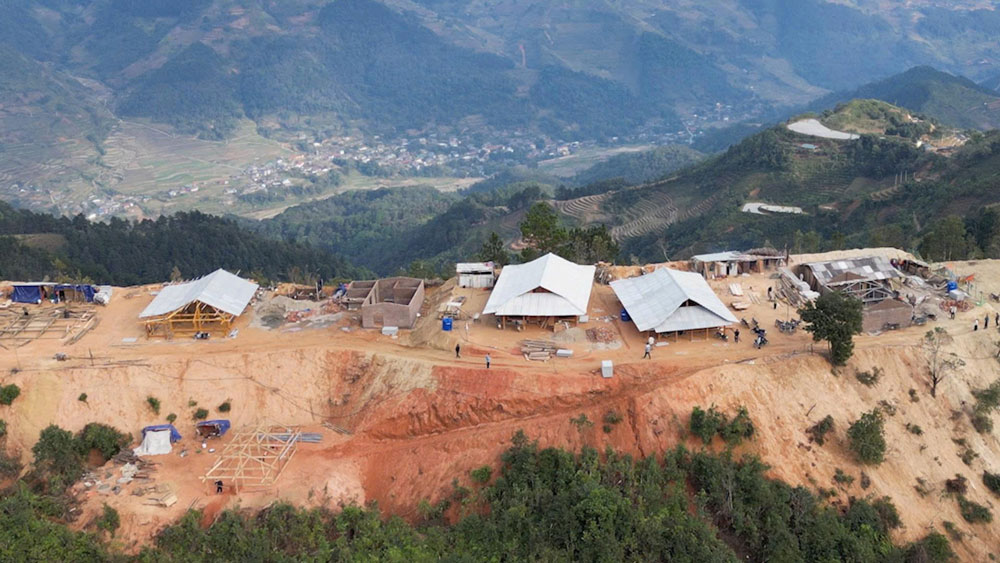
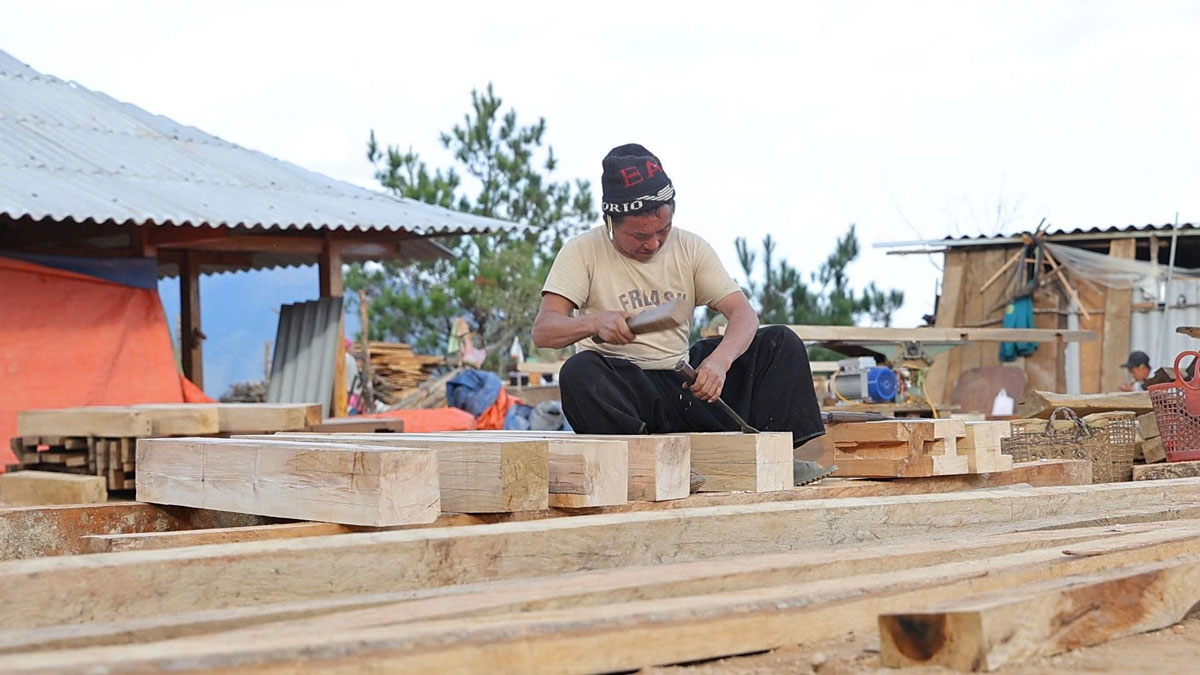
Day by day, the house foundations appear. Then the vertical walls. New roofs are erected in the great forest - a "miracle" of consensus.
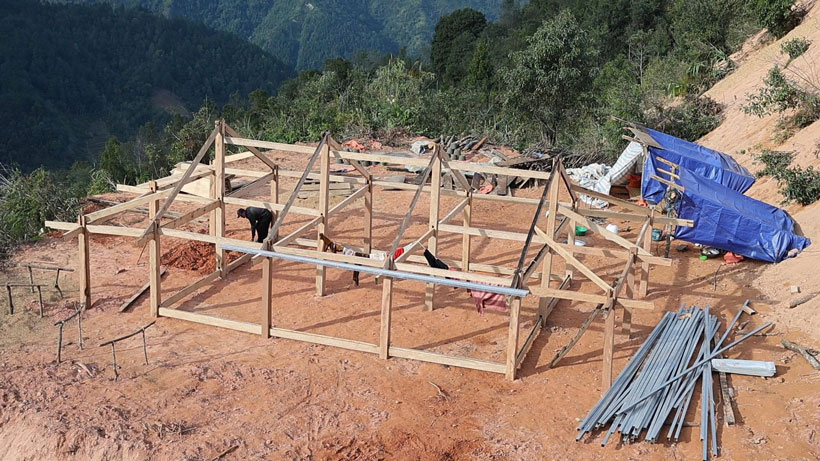
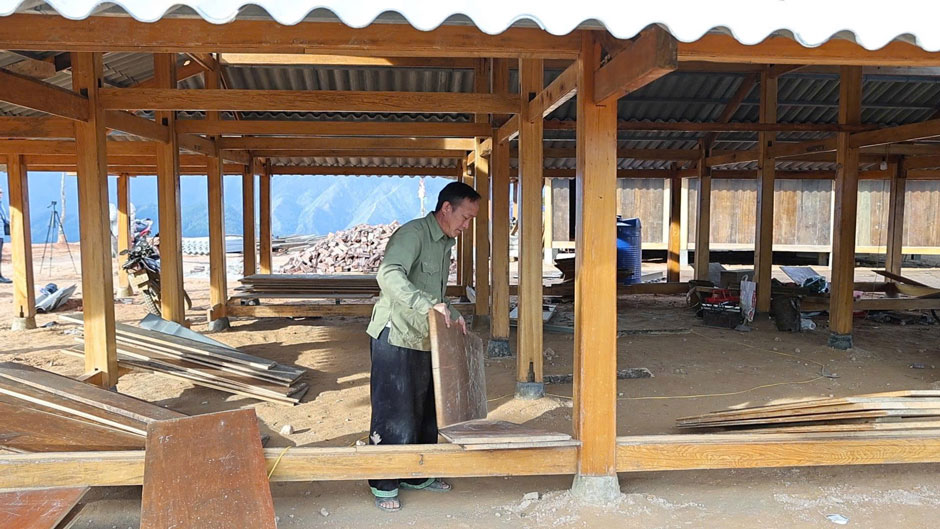
For people in the highlands, leaving their ancestral land is not an easy decision. Some households hesitate, some people reluctantly leave the place they have been attached to for generations.
At that time, Party cell secretaries and village heads became "bridges". They went from house to house, said each word, and mobilized each person. The exemplary behavior of officials and prestigious people helped people gradually change.
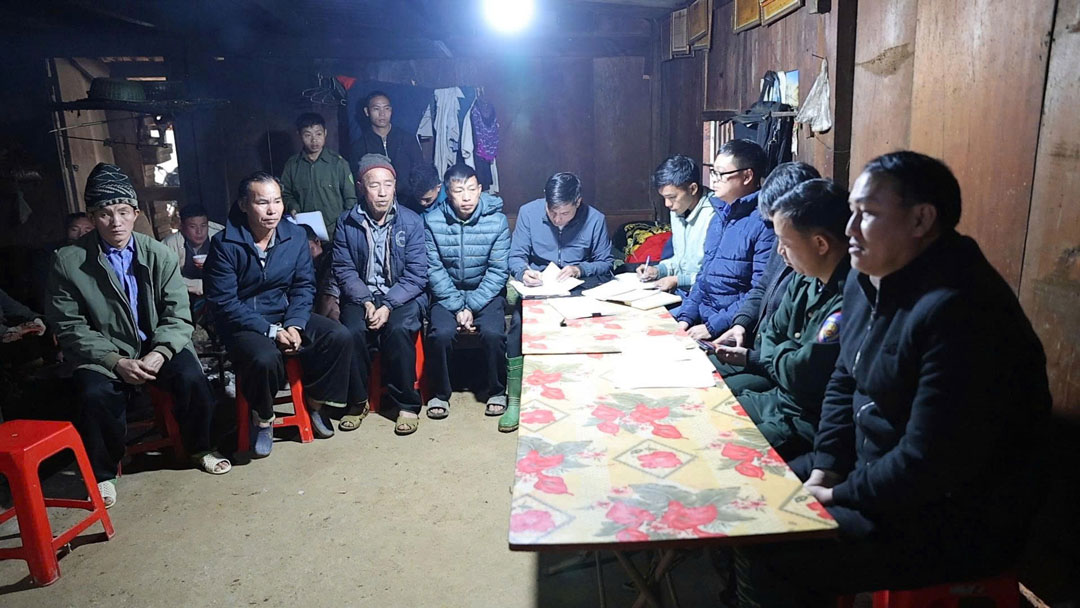
Each household is supported with 80 million VND to build a house. The rest is savings, the effort of brothers, relatives, and the days of exchanging labor to help each other build each wall and roof each tiled roof.
On the day of returning to his new home, Mr. Thao A Co could not hide his joy: "Last Tet, my family slaughtered a 50kg pig to treat the whole village. For the first time, I felt relieved, no longer worried about running away when it rained...".
That was the first time in many years that the people of San Tra had a full night without being startled by the sound of rocks and soil.
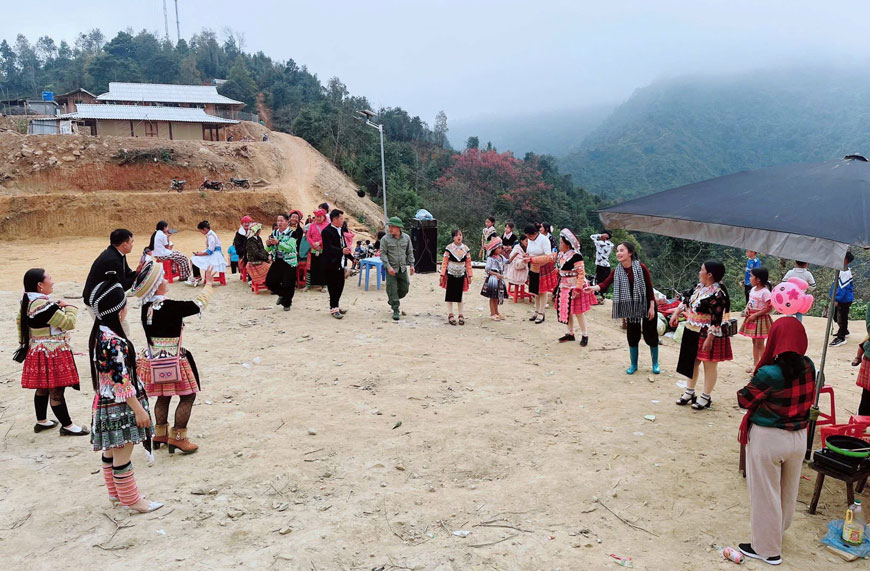
The resettlement area today has 18 houses clustered together on a large piece of land. The roofs are only a few steps apart. As evening falls, kitchen smoke rises. Children play everywhere.
Village head Thao A Chu emotionally said: "Being able to build houses, have resettlement areas, and then build roads... the dream of the people is becoming a reality".
For people who have gone through many rainy and flood seasons like Mr. A Chu, happiness is now simple: a solid roof, a peaceful night's sleep, a night with children's laughter.


