
Strictly control fishing vessels, not to violate foreign waters
Ca Mau is implementing a peak period to combat illegal, unreported and unregulated (IUU) fishing, with a focus on reviewing and digitizing dossiers, managing high-risk fishing vessels and thoroughly handling violations.
Ca Mau province currently has 5,156 registered fishing vessels, with a total capacity of more than 801,000kW. To date, 100% of fishing vessels that are required have been installed with vessel monitoring devices (VMS), maintaining connection with the national vessel monitoring system.
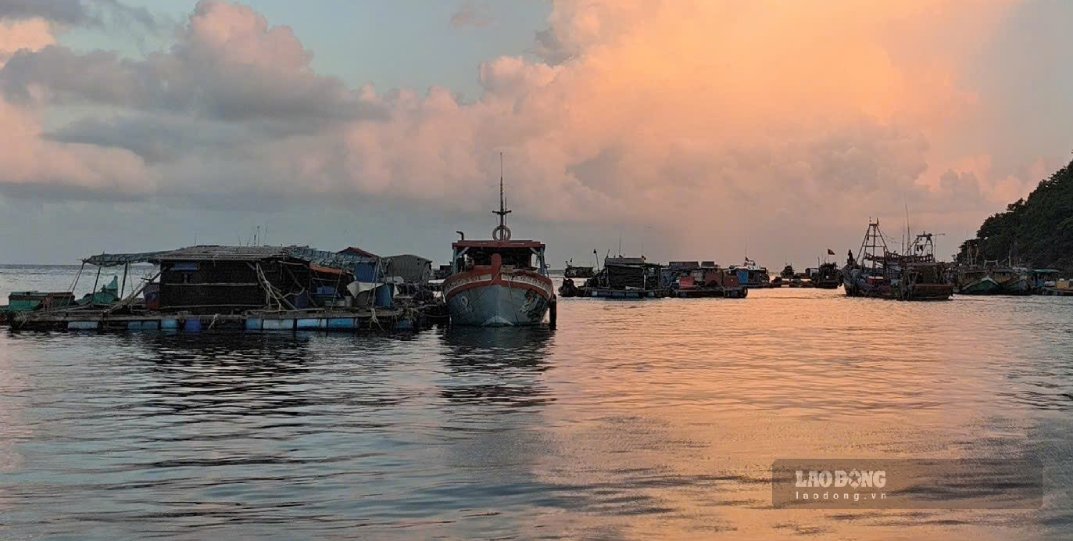
The province has basically completed the digitization of fishing vessel management data; controlling 100% of fishing vessels with a length of 15m or more operating at sea through the VMS system. Data is monitored 24/7 to promptly warn and prevent vessels showing signs of crossing boundaries or losing connection.
In the work of controlling and tracing the origin, Ca Mau continues to operate the electronic seafood traceability system (eCDT) and electronic seafood exploitation logbook (eLogbook).
From the beginning of the year to now, the province has controlled 100% of fishing vessels docking and leaving designated fishing ports, with 13,544 vessels completing safe procedures. Seafood output discharged through the port reached 83,757 tons, accounting for 44.4% of the province's total seafood output.
Functional agencies have issued 138 certificates of exploited aquatic material, with a total volume of 1,245 tons. Notably, the province did not have any cases of fishing vessels violating foreign waters and no fishing vessels losing VMS connection were handled for violations.
To maintain this result, Ca Mau continues to assign officials and party members to directly manage each fishing vessel; regularly update the status of vehicles, publicize the list of vessels that do not meet operating conditions, and inspect the status of anchoring and actual operation.
Working groups of the province, members of the Steering Committee for Combating IUU Fishing and forces assigned to support localities will strengthen inspection, urging, and tracing high-risk vessel groups, and at the same time support investigation, verification and digitization of dossiers.
Strictly handle violations, stabilize fishermen's livelihoods
During the peak period, Ca Mau province requested departments, branches, and coastal localities to focus on thoroughly handling long-standing problems, assigning responsibility to the heads.
Vice Chairman of Ca Mau Provincial People's Committee Le Van Su requested functional forces to focus on handling acts related to fishing vessels that lose VMS connection, cross boundary lines at sea, operate when not meeting conditions, do not transfer ownership or vessels that are decommissioned but still intentionally operate.
The province also accelerates the investigation, verification and strict handling of cases with signs of crime; fighting against acts of removing, sending, transporting, and illegally using VMS equipment, as well as acts of organizing, brokering, and assisting fishing vessels violating foreign waters.
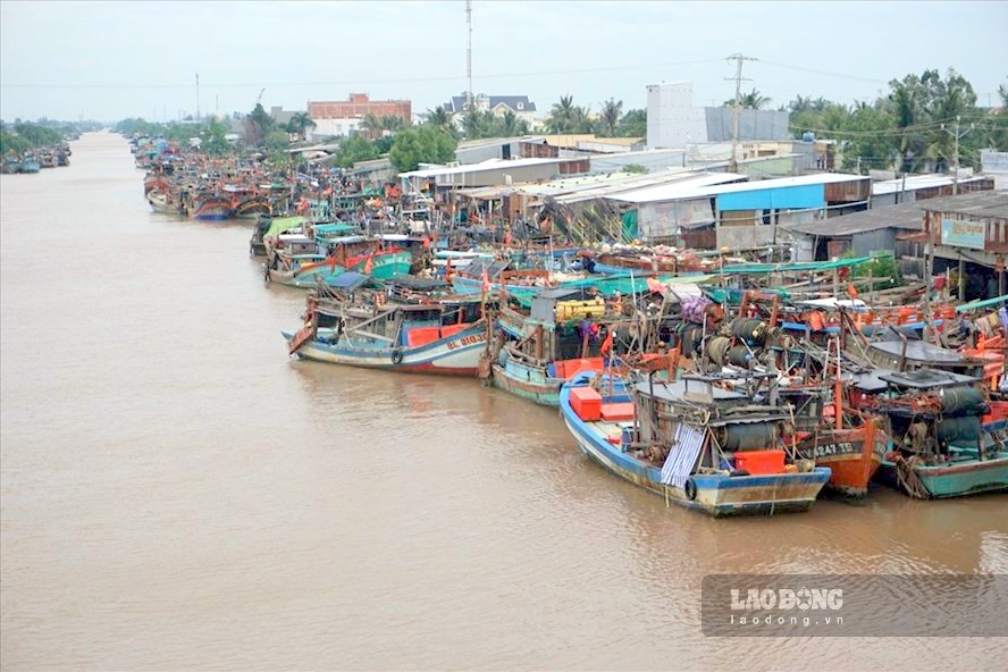
The peak period of patrol, inspection, and control is deployed throughout the area. Functional forces are concentrated in sea areas, river mouths, alluvial grounds, fishing boat anchorage areas, aquatic resource protection areas, marine protected areas and key rivers, canals, and ditches.
Inspections will be strengthened at night, early morning and sensitive times to detect and prevent illegal fishing, the use of explosives, electric shock, toxic substances, prohibited fishing gear, illegal exploitation or exploitation in prohibited areas.
Ca Mau requests localities to thoroughly handle bottom stocks, gillnets, and illegal fishing works and fishing gear; not to let new violations arise or recur. The hotline continues to be maintained to receive, verify and promptly handle feedback related to IUU fishing.
In addition to controlling and handling violations, Ca Mau identifies stabilizing livelihoods as an important solution to combat sustainable IUU fishing.
The province will review and restructure the fishing fleet; identify fishing vessels and fishing labor subject to conversion; survey the aspirations of fishermen to develop suitable plans for career conversion and livelihood conversion.
Models of conversion to environmentally friendly exploitation, selective or conversion to aquaculture suitable to natural conditions will be researched and implemented.


