
Digital transformation to tightly manage fishing fleets
As a locality with a large seafood exploitation fleet in the country, Ca Mau identifies combating illegal, unreported and unregulated (IUU) seafood exploitation as a key task to work with the whole country to soon remove the "yellow card" of the European Commission (EC). Over the past time, Ca Mau province has simultaneously implemented many solutions from fleet management, exploitation control to digital transformation in fisheries management.
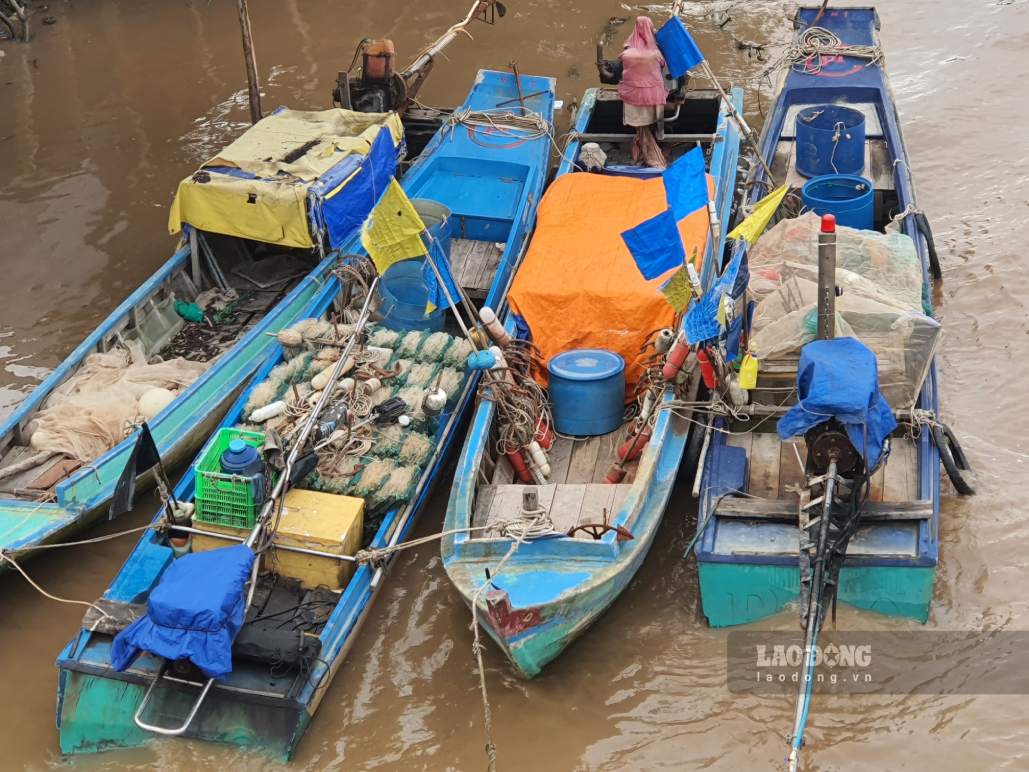
According to the People's Committee of Ca Mau province, the whole province currently has 5,156 registered fishing vessels with a total capacity of more than 801,000kW. Notably, 100% of fishing vessels that are required have installed vessel monitoring devices (VMS), maintaining connection with the national vessel monitoring system, creating conditions for functional forces to monitor and control fishing activities at sea.
Registration, inspection and licensing of seafood exploitation are carried out regularly. From the beginning of the year to now, functional sectors have resolved 934 dossiers of fishing vessel management, issued 1,256 technical safety certificates and 267 certificates of appraisal of fishing vessel designs.
One of the highlights is the promotion of digital transformation in fisheries management. The fishing vessel database system continues to be digitized, and at the same time puts into operation electronic seafood traceability software (eCDT), electronic seafood exploitation logbook (eLogbook), contributing to transparency of the exploitation process, meeting the traceability requirements of the export market.
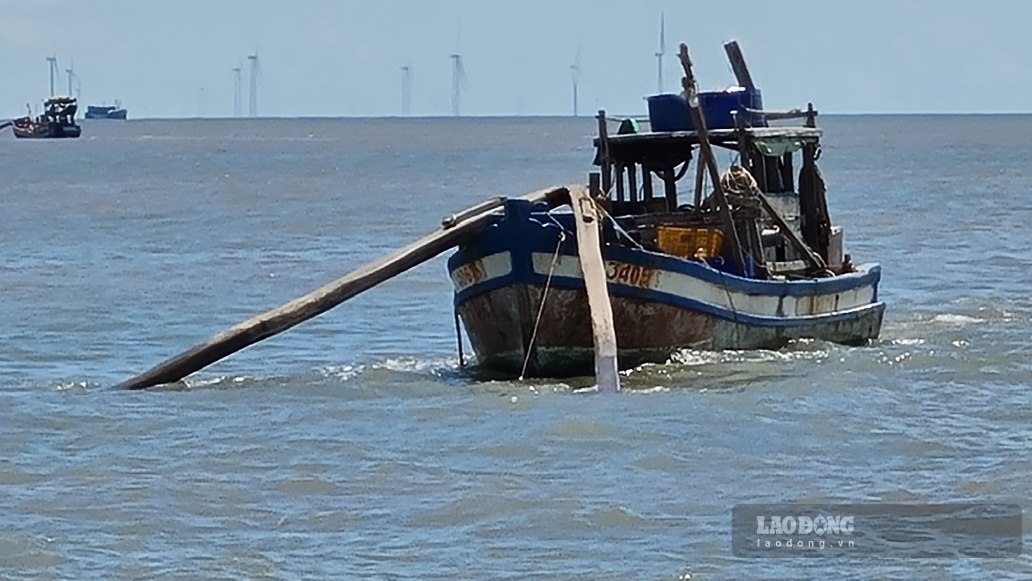
Thanks to increased management, from the beginning of the year to now, Ca Mau has controlled 100% of fishing vessels docking and leaving designated fishing ports with 13,544 vessels carrying out procedures. Seafood output through ports reached more than 83,700 tons, accounting for 44.4% of the total seafood exploitation output of the whole province. Functional sectors also issued 138 certificates of seafood raw material exploitation with more than 1,245 tons of raw material.
In particular, the locality did not have any fishing vessels violating foreign waters and there were no cases of fishing vessels losing connection to journey monitoring devices being handled for violations. This is an important result in the context that the EC continues to closely monitor the implementation of recommendations for Vietnamese fisheries.
Protecting aquatic resources to maintain long-term livelihoods
Implementing Directive 17 of the Provincial Party Committee Standing Committee on preventing destructive seafood exploitation, coastal localities have promoted propaganda, mobilization, signing commitments and strictly handling acts of using explosives, electric shocks, toxic substances or prohibited fishing gear in seafood exploitation.
To date, more than 20,500 households have signed commitments not to use destructive exploitation methods. At the same time, the province organized the release of more than 2.2 million aquatic breeds into the natural environment to restore and regenerate aquatic resources.
Ca Mau also promotes the role of the Fatherland Front, socio-political organizations and residential communities in monitoring, detecting, and denouncing illegal exploitation acts; and at the same time maintaining and replicating models of joint management of aquatic resources in the locality.
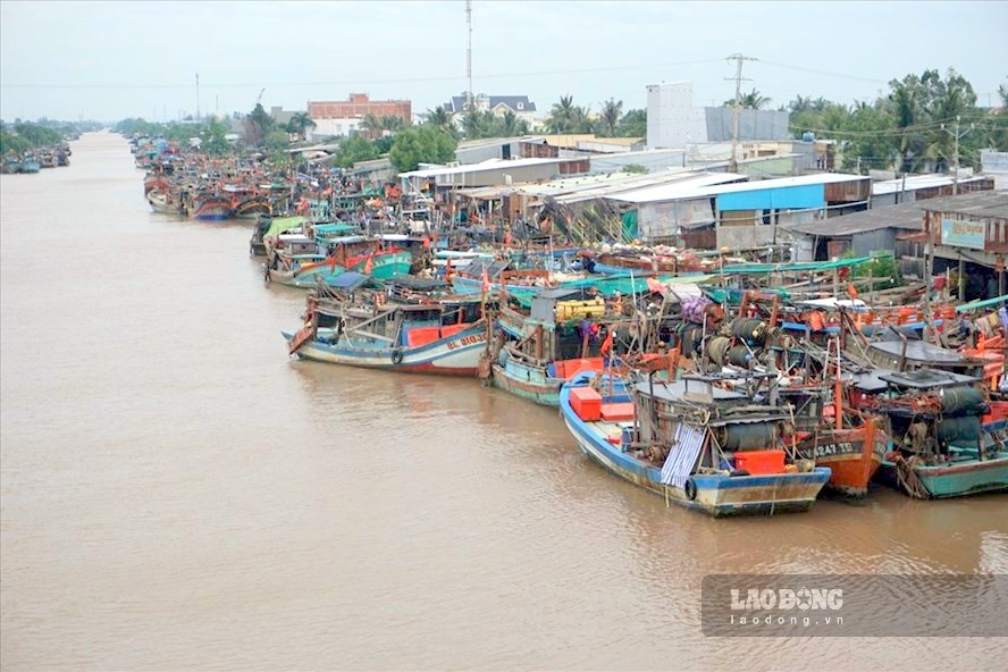
In the long term, the province is implementing programs to restructure the seafood industry in a modern direction, gradually reducing exploitation force, encouraging the conversion to environmentally friendly exploitation professions, developing marine farming and supporting fishermen to convert livelihoods for fishing vessels that operate inefficiently or no longer have sufficient conditions for exploitation.
According to leaders of Ca Mau province, the goal is not only to overcome the EC's recommendations to soon remove the IUU "yellow card", but also to build a responsible fisheries sector, protect natural resources and create stable and sustainable livelihoods for coastal fishermen.


