
On June 10, the 11th Ca Mau Provincial People's Council held the 3rd Session (specialized session), considering and resolving many important contents to improve mechanisms and policies to serve socio-economic development, urban management and effective exploitation of local resources.
One of the notable contents is that the Provincial People's Council unanimously agreed on the policy of establishing 13 new wards including: Song Doc, Nam Can, Ganh Hao, Hoa Binh, Cai Nuoc, Dam Doi, Thoi Binh, Tran Van Thoi, Phuoc Long, Hong Dan, Vinh Loi, Luong The Tran and Cai Doi Vam.
According to the approved plan, the establishment of wards is carried out on the basis of maintaining the current status of natural area, population and administrative boundaries of existing communes. These localities all fully meet the standards according to regulations and receive high consensus from the people.
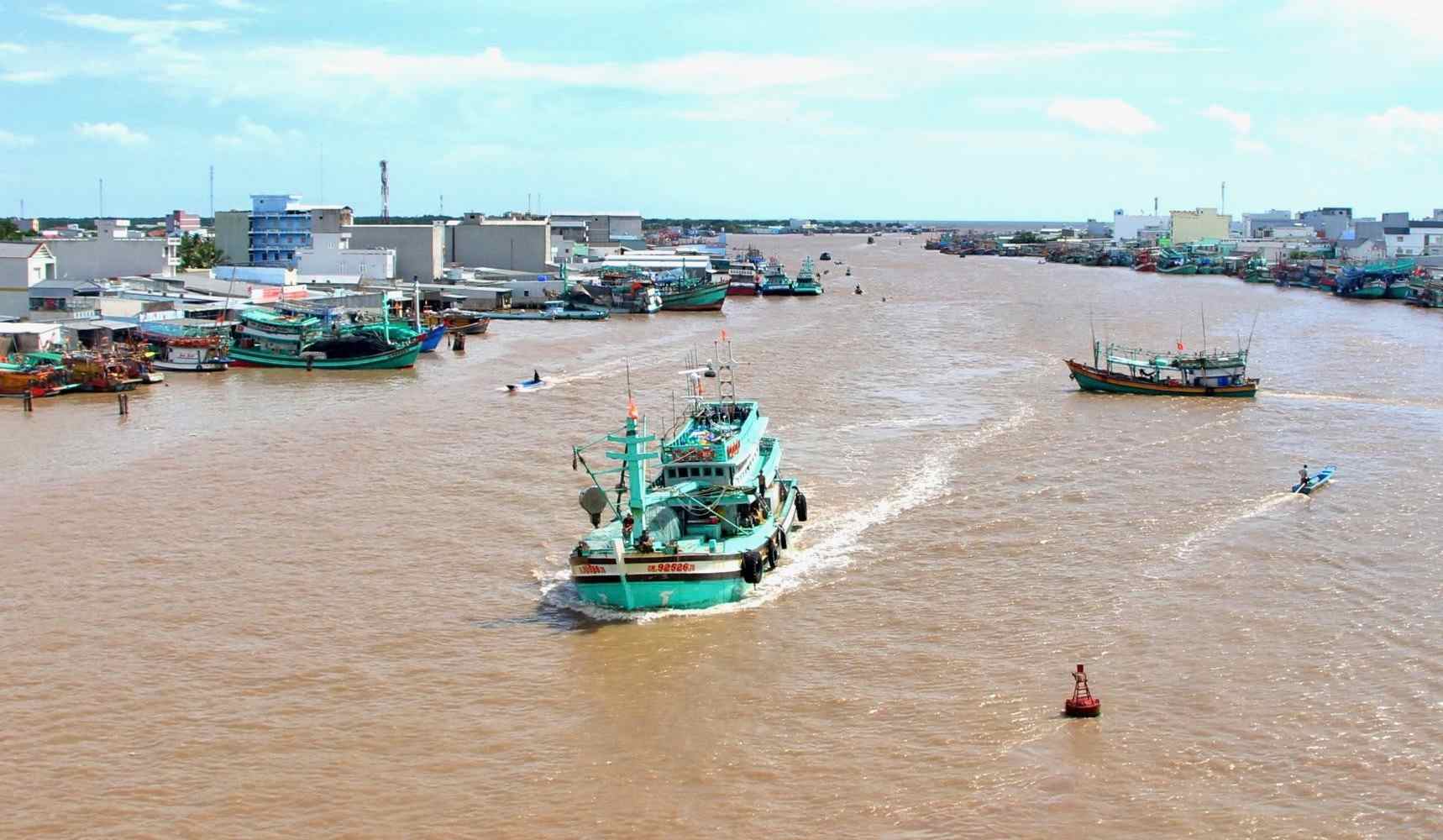
After completing the arrangement, the system of commune-level administrative units in the province will have 64 units, including 42 communes and 22 wards. This is considered an important step to concretize the policy of arranging administrative units, improve the effectiveness and efficiency of state management, and at the same time create a foundation to promote urbanization and socio-economic development in the coming period.
Also at the session, the Provincial People's Council approved a resolution stipulating criteria for organizing bidding to select investors to implement urban area and rural residential area projects. Accordingly, projects must ensure compliance with planning, legal regulations on land, investment, construction, housing development and the requirement for synchronous connection of technical infrastructure.
For new urban area projects with a minimum of one residential unit, the land use scale is from 6ha or more in type I and II urban areas and from 11ha or more in type III urban areas. Urban area projects without residential units must have an area of 20ha or more. Urban renovation and embellishment projects do not stipulate the minimum area scale due to the specific nature of implementation in existing urban areas. For rural residential area projects, the minimum area is from 5ha or more.
The Provincial People's Council also agreed to issue regulations on environmental protection fees for non-metallic mineral exploitation activities in the area. Specifically, the fee for ordinary sand types (except yellow sand, white sand) is 6,000 VND/m3. For land resources, the collection level ranges from 1,000 - 3,000 VND/m3 depending on the type and purpose of use.
Mineral types that have not been specifically regulated will apply the maximum collection level according to current regulations of the Government. For recovered minerals, the fee level is equal to 60% of the collection level of the corresponding main mineral type.
Speaking at the closing of the session, Mr. Pham Van Thieu - Chairman of the People's Council of Ca Mau province - said that the adoption of 16 resolutions this time creates an important legal basis to mobilize and effectively allocate resources for socio-economic development, ensuring national defense and security in the area.
The Chairman of the Provincial People's Council requested the Provincial People's Committee, departments, branches and localities to focus on synchronously implementing the resolutions that have been approved; promote administrative reform, digital transformation, improve the efficiency of disbursement of public investment capital and clearly define the responsibilities of each agency and unit in order to soon put policies into practice, contributing to the implementation of economic growth goals in the coming time.


