
Exchanging for sweat and danger
At the end of winter, when the rain and forest continuously fell on the slopes of Ngoc Linh mountain, Ms. Nguyen Thi Huynh (owner of Huynh Sam business, Tra Linh commune, Da Nang city) put on a raincoat, held a wheelchair, and her husband wandered the eroded path under the primeval forest canopy to get into the ginseng garden at an altitude of more than 1,800m. The road is slippery, covered with clouds and fog, no electricity, no phone signal, and the cold season can only reach 8 degrees Celsius.
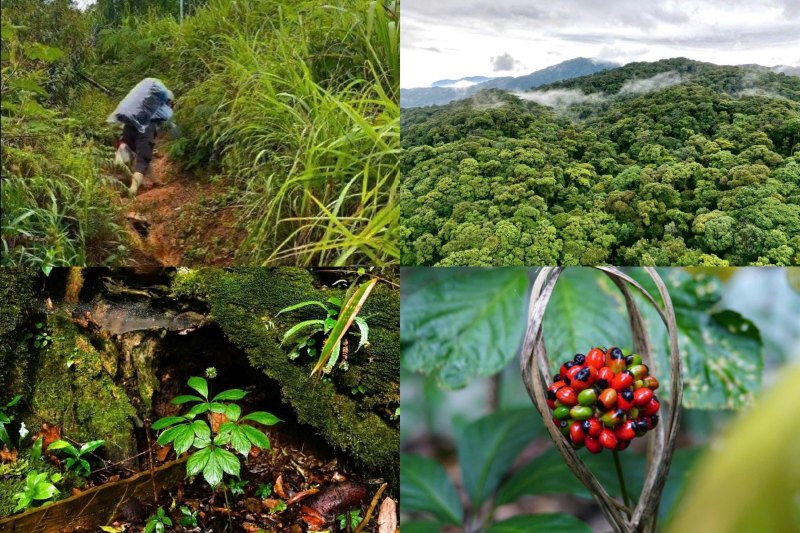
To get to the ginseng garden, the couple had to spend more than 4 hours of ice in the forest, climbing steep slopes, and in the rainy season, their eyes were always open to observe the venomous snake hiding in the branches of the trees. "In the village, there were people who went up the ginseng garden and slipped and fell into the abyss, luckily escaped death but were disabled. Growing ginseng is accepted as dangerous, said Ms. Huynh.
When she arrived, her legs were covered with bites from the spleen, fees, and blood leaking red from the pants. The couple will stay in the forest all week, eat rice with dried fish and wild vegetables, take turns taking care of and protecting each bed of ginseng. "People see that every time they sell ginseng for hundreds of millions of dong, they think growing ginseng is fun. But that is a misconception. We have to trade for effort, money, blood and tears, Ms. Huynh shared.
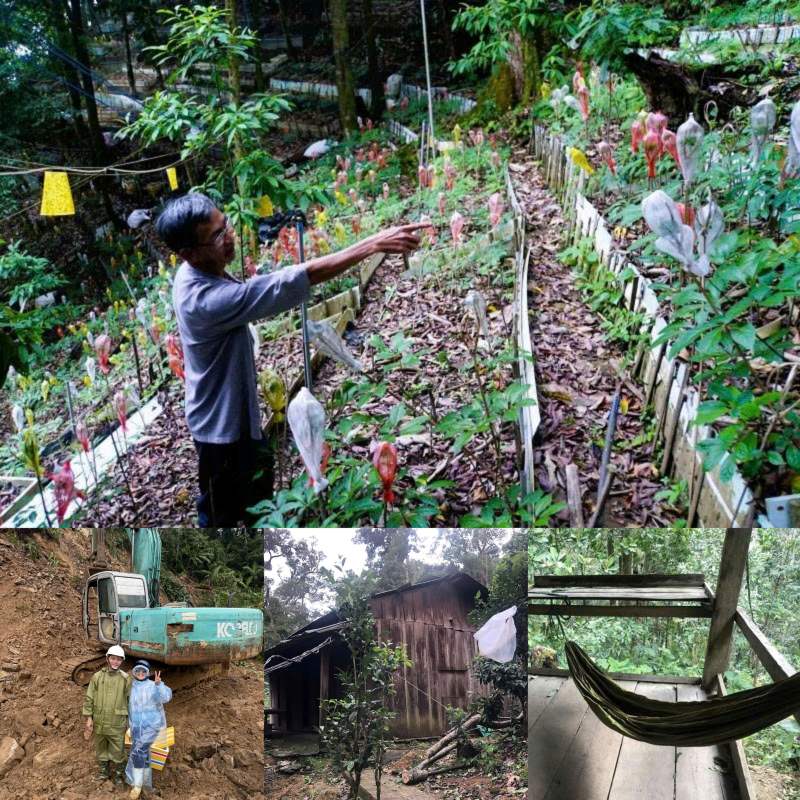
In 2016, Ms. Huynh and four households in the commune started growing Ngoc Linh ginseng under the forest canopy. Spending more than 200 million VND, receiving technical guidance from the agricultural sector, but after only one year, more than 50% of trees died, and the second year, 70% died again. The reason is that the soil in the rainy season is not drained, causing the ginseng to be waterlogged and rotten; the soil in the dry season is firm and the roots do not grow.
Not giving up, Ms. Huynh moved her ginseng garden many times higher, looking for a place with a thick layer of mud and suitable slope to drain water. However, harsh nature causes trees to still die due to fungal diseases, rot, and root looting. Only when ginseng growers change their methods, build houses with nylon roofs, cover the rain and rain season, remove the irrigation roof for the sunny season, will ginseng plants gradually stabilize.
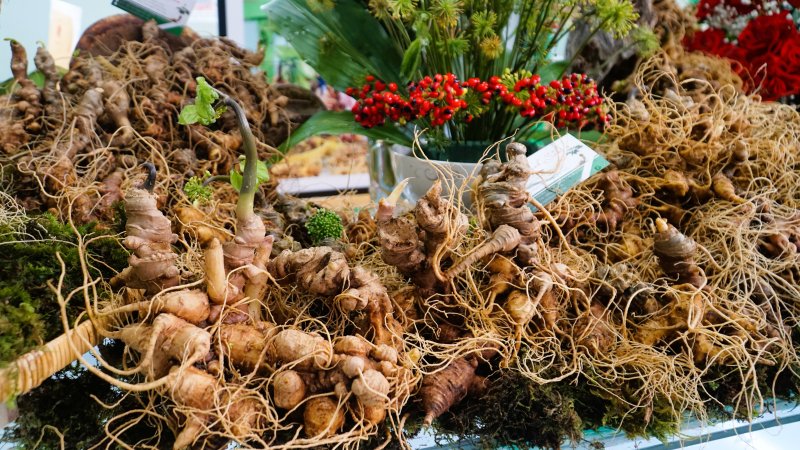
"Sam Ngoc Linh is very demanding. If the disease did not spread in time for a few days, the whole garden would be lost. Not to mention the ginseng destruction, after just one night, gardeners could lose their entire billion-dollar ginseng garden, said Ms. Huynh. Therefore, ginseng growers do not dare to neglect, forced to "eat mountains and sleep in the forest" to preserve each precious ginseng root.
Growing ginseng is more difficult than raising children
On the slope of Ngoc Linh mountain in Tra Linh commune, Mr. Ho Van Diu (70 years old) owns a ginseng garden with thousands of trees. Having been attached to ginseng for nearly 30 years and working at the Quang Nam Ngoc Linh ginseng and medicinal herb development center, Mr. Di clearly understands the harshness of medicinal herbs known as the "land guarantee".
He chose a forest at an altitude of nearly 2,000m, setting up a hut of more than 10m2 for subsidence. Every month, he only leaves the garden about 5 days to carry rice, salt, and fish sauce to the mountains. Meals usually only include white rice with dried fish, salted marinated meat and wild vegetables. Living alone in the forest, seeing unwell people means having to go down the mountain immediately, otherwise they will die in the forest without anyone knowing, he said.
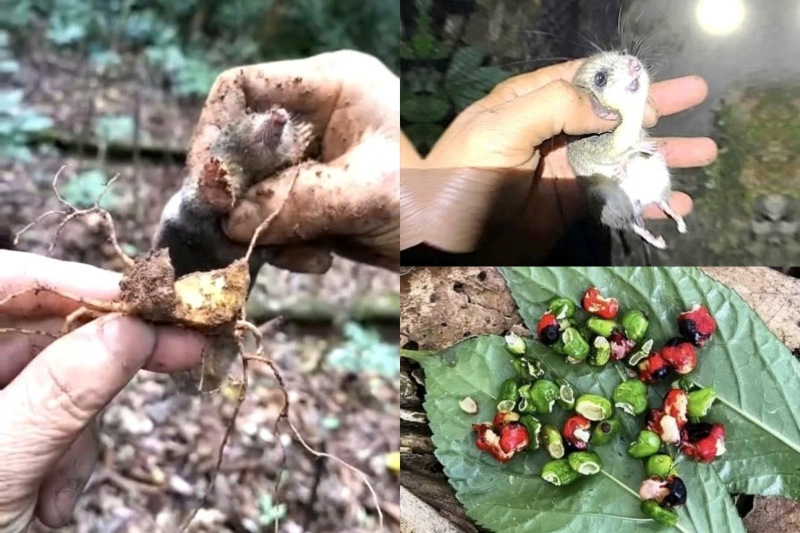
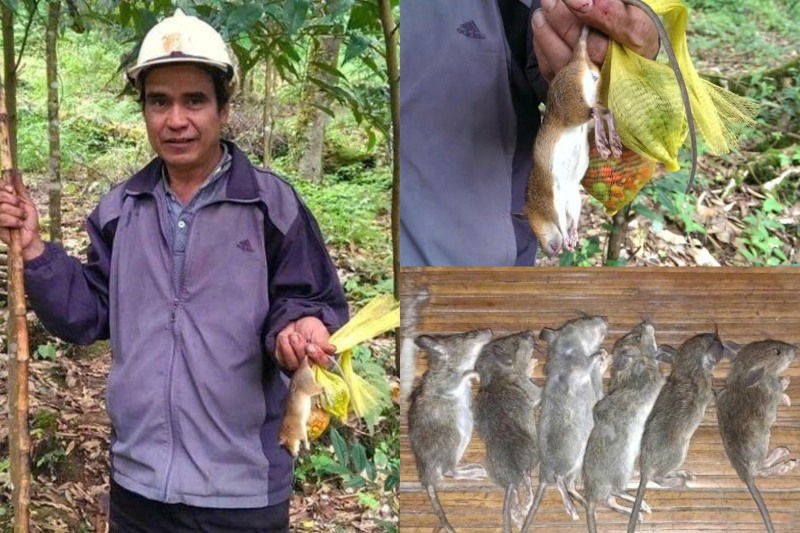
According to Mr. Di, growing ginseng "is more difficult than raising young children". During the day, we have to clean up broken branches around the garden; at night, we hold a flashlight to check each ginseng root to prevent rat bites. ginseng seeds cost about 100,000 VND/seed, and when the rice is ripe, the rat pulls into a flock. They climbed up to eat a few nuts but pulled the whole tree down, damaging it all.
He could not use chemicals because it affected the quality of the ginseng roots, he could only set a manual trap. "Planting 100 trees, after 5 years there are 50 trees, it is a great joy," said Mr. Di.
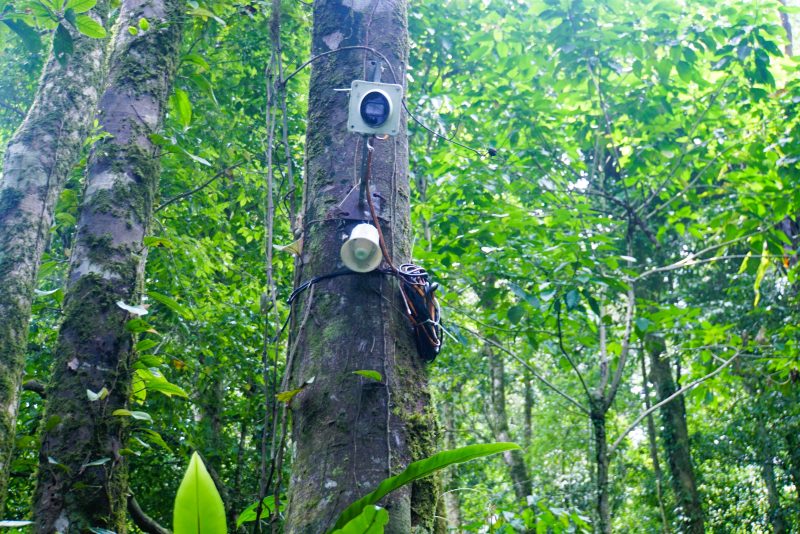
In addition to mice, ginseng growers also face hail, frost, mushroom disease and theft. Many households have to spend 200300 million VND, even billions of VND to fence off B40 nets, put up zinc and barley ropes, install alarm bells, and security cameras for ginseng gardens.
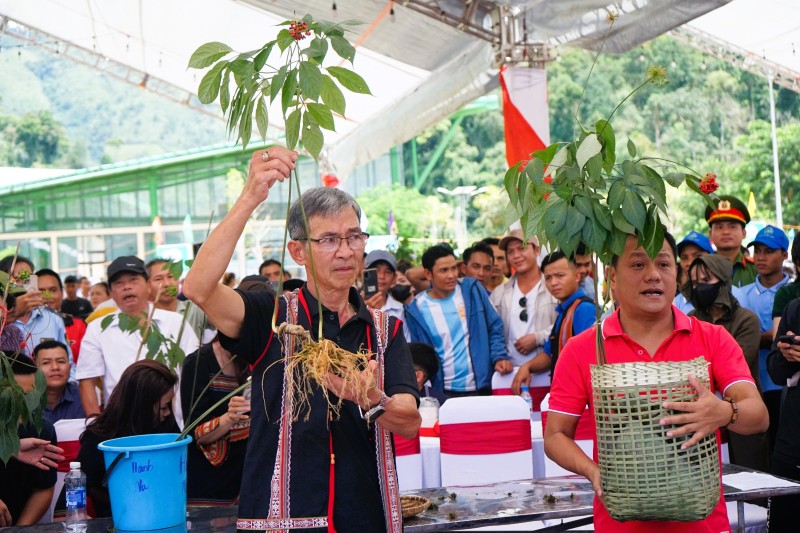
Recently, ginseng growers have been worried about the sharp decrease in ginseng prices. The first type of ginseng at Nam Tra My ginseng market is only 120 million VND/kg, down half compared to last year. "The price is decided by traders. When people need money to cover their living expenses, people are forced to pay, Mr. Di shared.
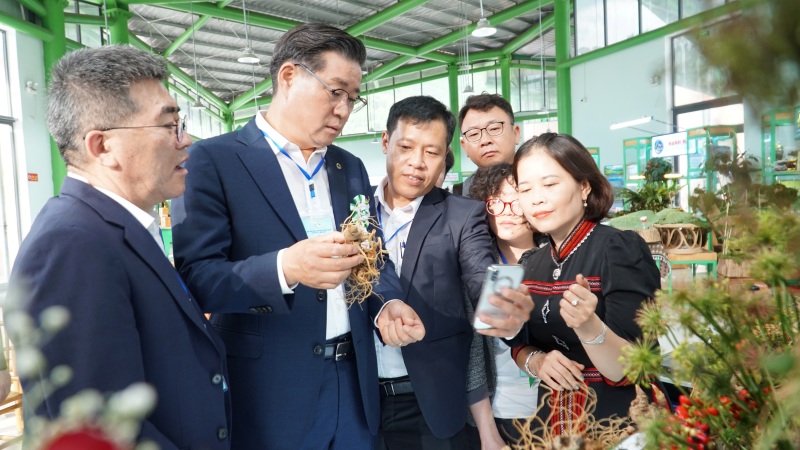
Currently, Da Nang city has planned a ginseng growing area of more than 15,000 hectares, with more than 1,650 households participating in growing ginseng with an area of over 2,000 hectares, annual output of about 10 tons, worth 420600 billion VND. A large number, but in return, it is a big trade-off for ginseng growers.
From "hiding medicine" to Ngoc Linh ginseng culture
Not only a livelihood, Ngoc Linh ginseng is also the cultural soul of the Xe Dang people in the highlands of Da Nang. Village elder Ho Van Du (Tra Linh commune), over 70 years old, over 40 years of Party membership, has a special habit: giving ginseng plants to newborns.
"Every amount of money is spent. Giving ginseng plants is a reminder for children and grandchildren to keep forests and ginseng for long-term development, said the old Du. The ginseng plants given that day have now sprouted into a ginseng garden worth tens of billions of VND.
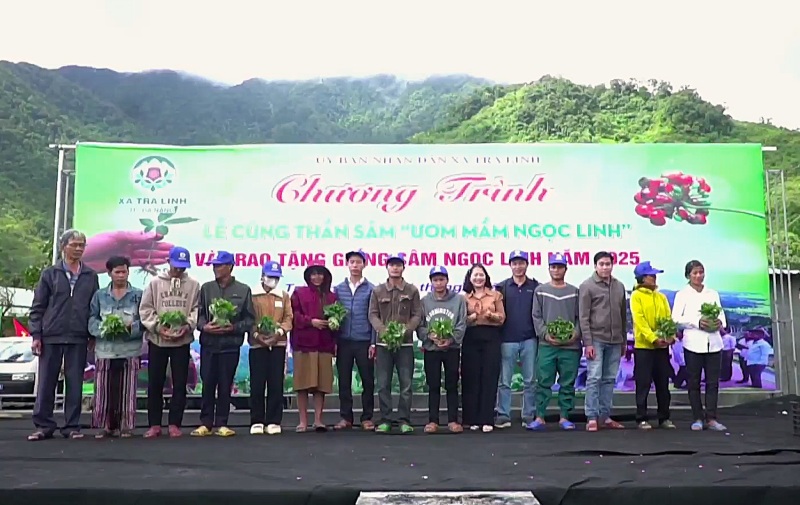
Since the 1980s, many young people of Xe Dang have followed state officials through the forest to find natural ginseng, bringing it to Tra Linh Pharmaceutical Station to preserve gene sources. They ate salted rice and wild vegetables for half a month, faced fierce animals and malaria in the cold high mountains below 10 degrees Celsius. Those arduous trips laid the foundation for the breeding and development of Ngoc Linh ginseng in the future.
Mr. Trinh Minh Hai - Chairman of Tra Linh Commune People's Committee, said that many village elders and party members not only enrich their families but also help poor households grow ginseng to escape poverty. "Many young people used to be lazy to work and drink alcohol, but now they are involved in growing ginseng, have a stable income, and their lives have changed significantly," said Mr. Hai.
In just 5 years, Nam Tra My district (old) has had more than 2,300 households sustainably escape poverty, forests are kept, and coverage increases. folk knowledge about Ngoc Linh ginseng has been honored as a National Intangible Cultural Heritage, recognizing the role of the Xe Dang community in preserving the "national treasure".
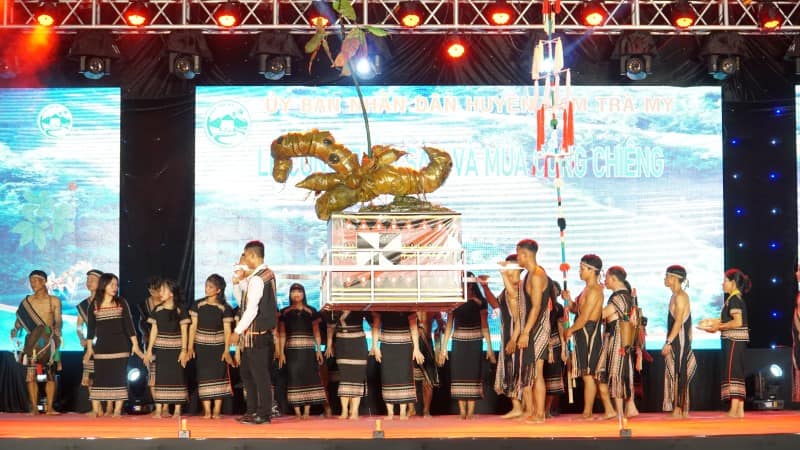
In Tra Linh, the "sams" are now not only a place for growing but have become a living space, where people have been attached to for a long time to care for and protect ginseng. The solid houses and the billion-dollar embankments growing in the middle of the mountain slopes reflect the changes of Ngoc Linh ginseng. But along with that is the awareness of preserving forests, keeping ginseng as if preserving its own future.
Amidst the rain in the forest, mountain fog and lurking danger, Nam Tra My ginseng growers still persistently stick to the forest. For them, Ngoc Linh ginseng is not only a treasure, but a promise to the mountains and forests: to preserve the forest to preserve ginseng, to preserve ginseng to support the community today and tomorrow.


