People have no place to park electric vehicles
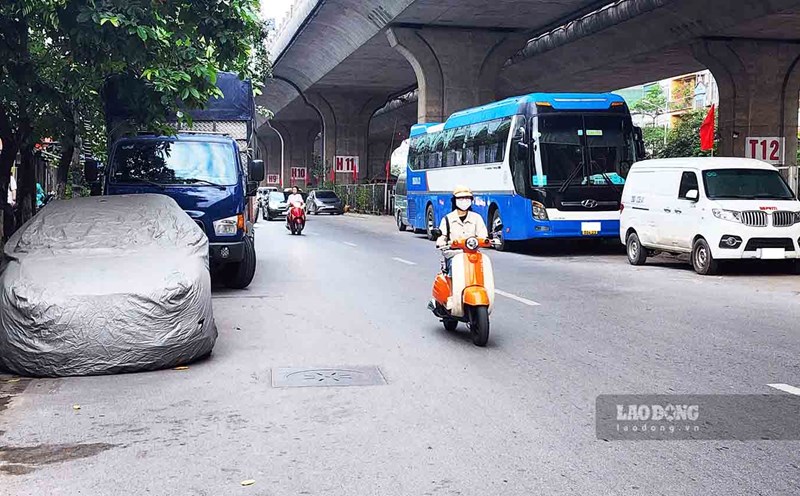
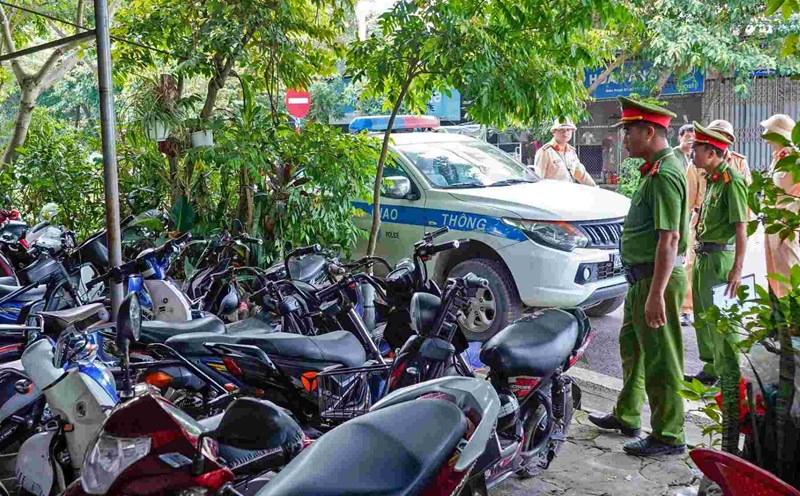
According to reporters of Lao Dong Newspaper, in many old collective housing areas and apartment buildings, some parking lots hang signs "do not accept electric vehicles" or only allow parking in very limited quantities. The common reason given is fear of fire and explosion, unsafe electrical infrastructure, or lack of specific guidance from functional agencies.
Ms. N.T.H (Cau Giay ward, Hanoi), a resident who has been using electric motorbikes for more than a year, said: "My family switched to electric vehicles because we want to save costs and reduce pollution. But the parking lot below the house does not accept it. Some days I have to park my car nearly a kilometer from home, which is very inconvenient, especially when it rains or I come home late.
Similarly, Mr. P.V.M (Hai Ba Trung ward) shared that many people in the collective housing area where he lives bought electric cars to support the State's policies, but then fell into a "dilemma". "Not being able to park cars in a common parking lot, many people are forced to park on credit or temporarily. The incentive policy is very clear, but the collective housing area management still ignores it, causing people to be upset.
According to people, the reason parking lots refuse electric vehicles partly stems from the psychology of reluctance to change. Accepting electric vehicles may require arranging separate areas, upgrading the power system, and increasing operating costs. Instead of proactively adapting to new trends, many parking units choose the simple solution of... banning.
Need to clearly stipulate and eliminate misconceptions about electric vehicles
Dr. Khuong Kim Tao - former Deputy Chief of Office of the National Traffic Safety Committee - said that the ban on parking electric vehicles in apartment buildings and parking lots goes against the general policy of the State and international trends.
This is a major policy that needs to be followed. If electric vehicles are banned just because of subjective concerns, it is clearly not in line with the orientation of green traffic development," Mr. Tao emphasized.
Regarding some concerns about the risk of fire and explosion, according to Dr. Khuong Kim Tao, this concern is excessive. In theory, both gasoline and electric vehicles have a potential risk of fire and explosion, but when the engine is turned off, electric vehicles have a lower risk of fire and explosion than gasoline cars, because they do not contain flammable fuel.
Many international studies show that the fire and explosion rate of gasoline cars is many times higher than electric cars. The problem lies in the use of poor quality batteries or improper charging, not the electric car itself," Mr. Tao analyzed.
From a legal perspective, Lawyer Nguyen Thu Trang - Deputy Director of Heva Law Company Limited - said that currently the law does not allow parking lots to arbitrarily prohibit a type of legal vehicle from circulating. If electric vehicles fully meet technical and safety standards according to regulations, then refusing parking can be considered a violation of the legitimate rights of the people.
In the context that the State is promoting green transformation, management agencies need to soon issue specific regulations, requiring parking lots, especially in apartment buildings and densely populated residential areas, to ensure parking spaces for electric vehicles, and not to prohibit or restrict arbitrarily," lawyer Trang said.
According to international experience, currently many countries such as Japan, South Korea, and European countries have considered arranging parking spaces and charging infrastructure for electric vehicles as a mandatory part of urban planning. In apartment buildings and public parking lots, electric vehicles are not prohibited from being parked, but are managed by clear technical and fire prevention standards.
According to environmental experts, in the context of air pollution in Hanoi and many major cities at alarming levels, limiting gasoline cars and promoting electric vehicles is an urgent requirement. “The air in Hanoi in recent days is very suffocating and difficult to breathe. Reducing vehicle emissions is something that cannot be delayed,” Dr. Khuong Kim Tao shared.
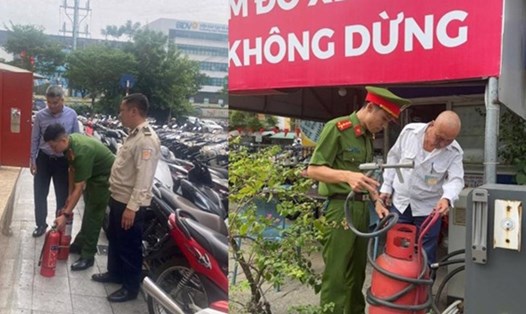
Along with filling legal loopholes, functional agencies need to organize appropriate infrastructure. State agencies need to accompany localities and apartment management units to survey the electricity system in parking areas. In case of non-compliance, there needs to be a roadmap for upgrading or planning floating charging stations around residential areas to ensure safety.
Many opinions agree that if the bottlenecks from infrastructure and management are not removed soon, the policy of developing green vehicles will be difficult to get into life. At that time, even if people want to change, they will encounter obstacles, and the goal of improving the urban environment will continue to be slowed down.