
Border communes will be merged after 10 years of meeting new rural standards
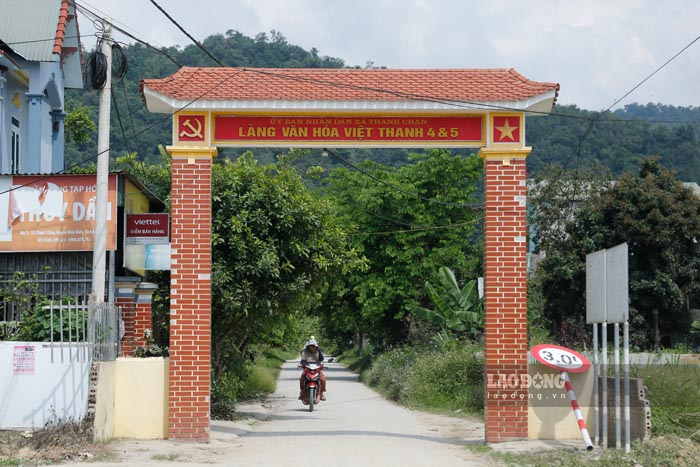
In 2009, Thanh Chan border commune (Dien Bien district) was selected by the Secretariat as one of 11 communes nationwide to pilot the construction of new rural areas (NTM), while this commune has only met 2/19 criteria. However, with being chosen as the location, Thanh Chan has received "strength" from the central to local levels.
After about 5 years of implementation, the initial successes have created a solid foundation for improving and enhancing life in all aspects. In 2015, Thanh Chan reached the finish line, becoming the first NTM commune in Dien Bien province.
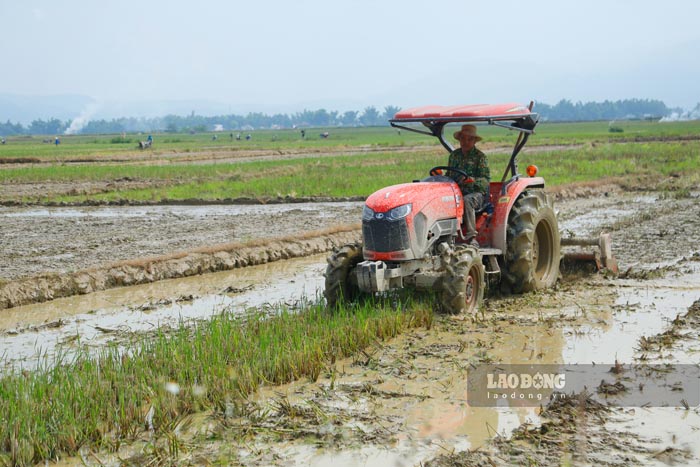
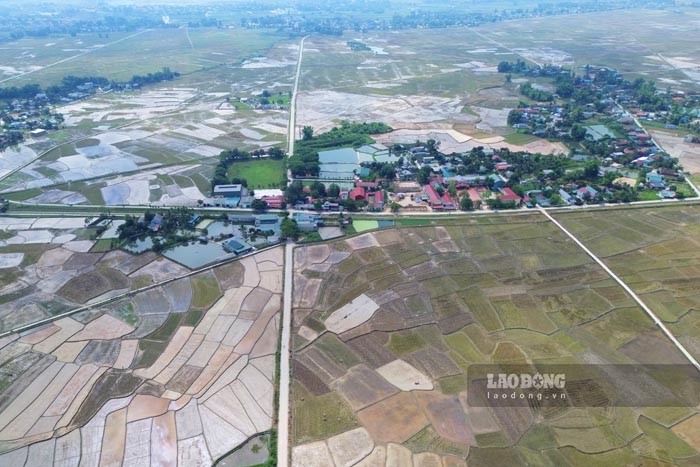
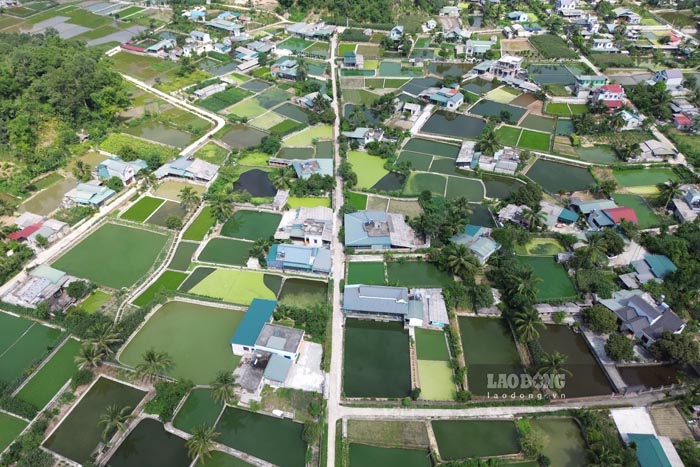
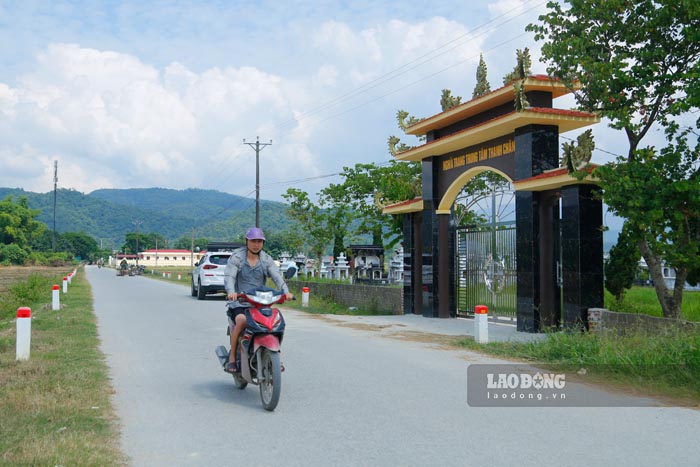
The NTM construction program has completely changed the face of a border commune with about 1,300 households and over 5,000 people. The most obvious highlight is the synchronously invested and modern infrastructure system.
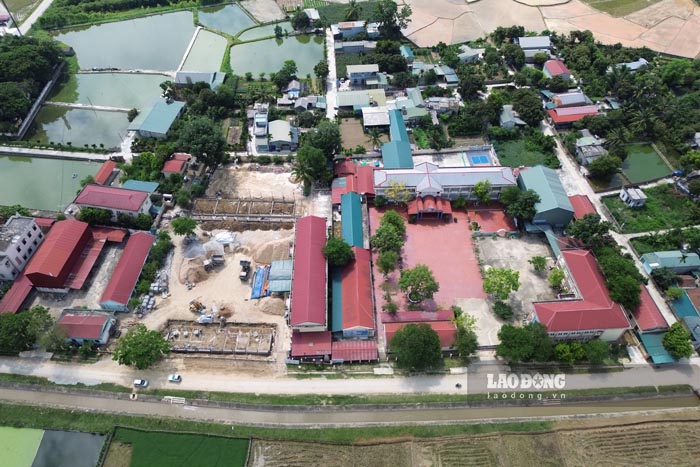
Social welfare projects have also sprung up spaciously. The commune's working headquarters and schools from kindergarten to high school have been invested in upgrading and building new ones, meeting the working needs of staff and teaching of teachers and students.
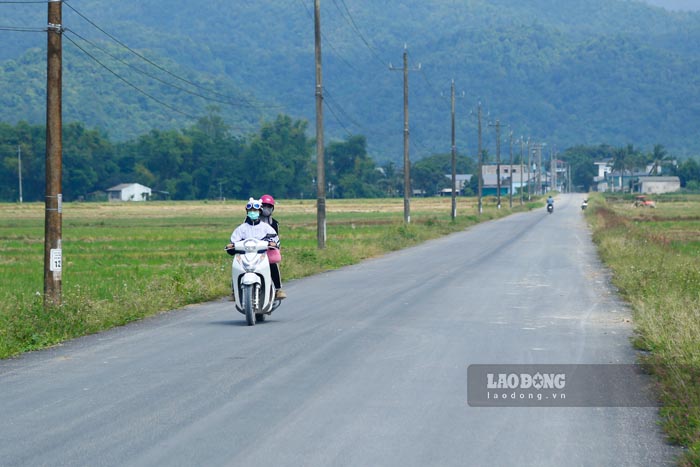
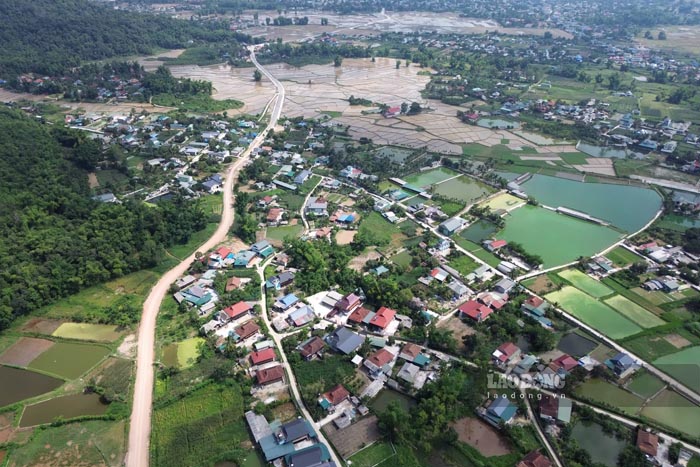
However, currently, after the arrangement of 129 communes, wards and towns in 10 districts, towns and cities, there will be 45 remaining commune-level administrative units, including 42 communes and 3 wards. Accordingly, 5 communes meeting the advanced NTM standard; 21 communes meeting the NTM standard are mainly arranged in communes that have not met the NTM standard or have basically met the NTM standard.
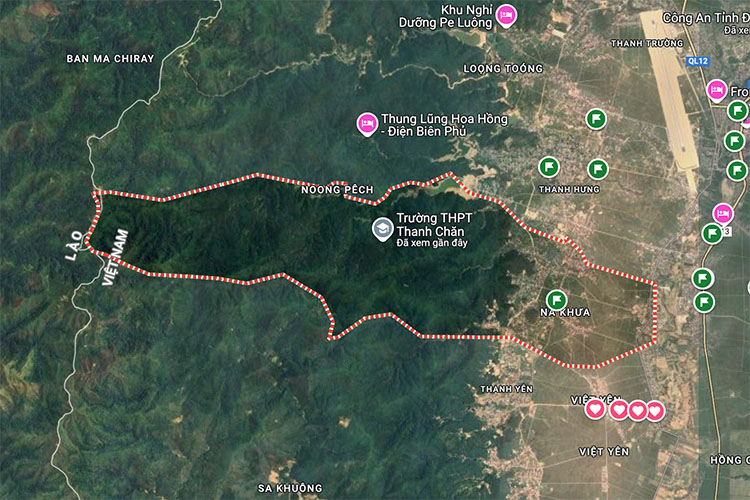
Typically, Thanh Nua commune was established on the basis of merging Thanh Nua, Hua Thanh, Thanh Luong, Thanh Hung and Thanh Chan communes. Of which, Thanh Nua, Thanh Luong, Thanh Hung, Thanh Chan have met the NTM standards; Hua Thanh commune has basically met the NTM standards.
Or Bung Lao commune was also established on the basis of merging communes that met Bung Lao NTM standards and 2 communes that did not meet NTM standards, Chieng Dong and Ang To.
According to current regulations, communes that do not meet NTM standards will enjoy health insurance policies, tuition exemptions and reductions at public schools, and regional allowance policies...
Meanwhile, for communes that meet NTM standards, people will not enjoy social security regimes such as issuing free health insurance cards, education, regimes for cadres, civil servants, public employees, etc. So, after the establishment of new communes, how will the policies of cadres and people be applied?
There will be policy adjustments
Regarding the issues arising when merging new rural communes and not meeting new rural standards, on June 16, speaking with Lao Dong, Mr. Nguyen Thanh Binh - Deputy Chief of the New Rural Coordination Office of Dien Bien province - said that the policies will be adjusted to suit the new situation.
Accordingly, communes that do not meet the NTM standards and are merged into communes that meet the NTM or advanced NTM standards will still apply the current policy to cadres and people in the old communes until the end of 2025. Starting from 2026, there will be changes.
"Dien Bien province is reviewing construction to classify communes. The 2026-2030 period will be designed and rebuilt after the new provincial and commune-level administrative apparatus comes into operation from July 1. At that time, the consultation of draft policies for communes will be specifically implemented" - Mr. Binh added.
Previously, speaking at the ceremony to announce and receive the title of commune meeting the NTM standards in 2024 in Tuan Giao district (May 19), Mr. Le Thanh Do - Chairman of Dien Bien Provincial People's Committee - emphasized that implementing the policy of rearranging commune-level administrative units, not district-level organizations, the requirement is to maintain firmly and constantly improve the quality of the achieved criteria.


