
According to the plan of the Civil Aviation Authority of Vietnam, Long Thanh airport will be commercially operated from December 1, 2026.
In the initial phase, airlines are allowed to proactively operate international routes according to demand. From the end of March 2027, long-haul international routes will be transferred to Long Thanh.
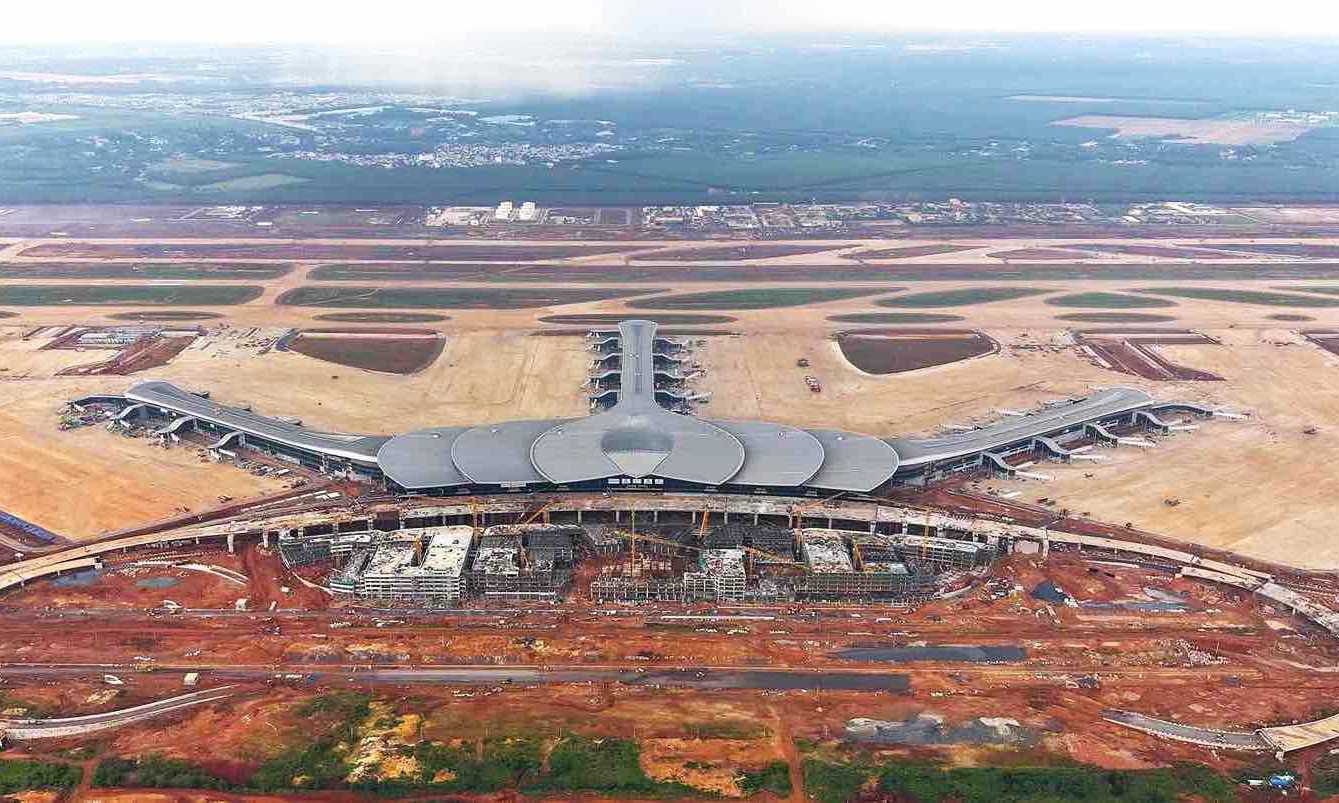
By the end of 2027, most international flights will operate at the new airport, except for some short routes under 1,000 km operated by Vietnamese airlines.
Ho Chi Minh City - Long Thanh expressway is still the fastest choice
This is considered the most convenient route for passengers departing from the center of Ho Chi Minh City.
From the center of the surrounding areas, vehicles pass through the Saigon River tunnel or Ba Son bridge, Thu Thiem bridge and then follow Mai Chi Tho avenue to enter the Ho Chi Minh City - Long Thanh - Dau Giay expressway.
When arriving at the airport area, the car turns into T2 road - the direct connection route from the highway to the airport - then continues along T1 road to reach the terminal area.
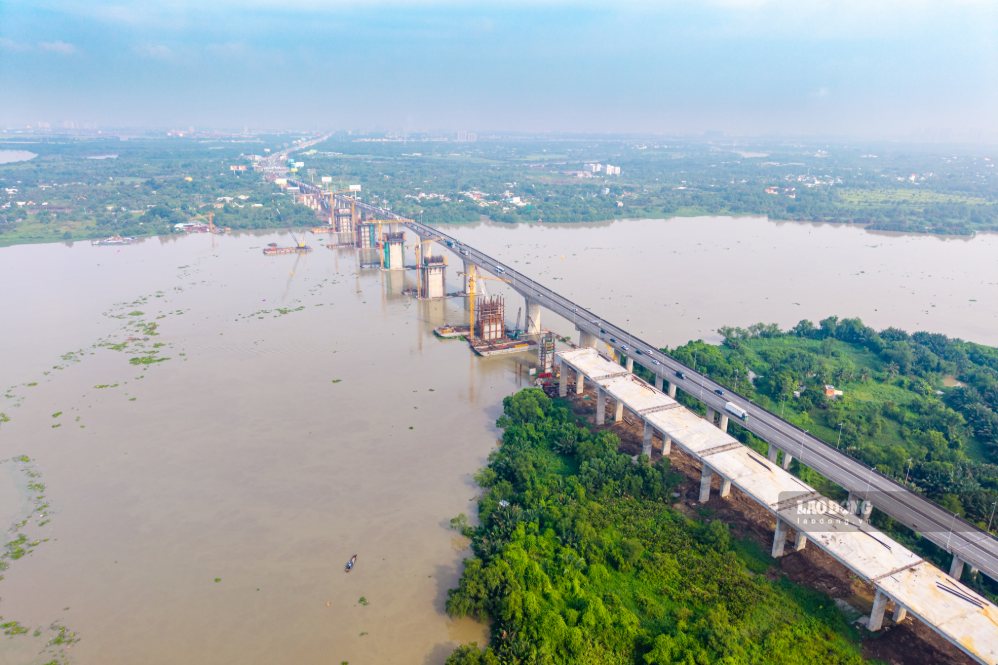
When the HCMC - Long Thanh - Dau Giay expressway expansion project is completed by the end of 2026, travel time may be reduced to about 40 - 45 minutes. However, during peak hours or when congestion occurs, the actual journey can still last longer than 1 hour.
Ben Luc - Long Thanh Expressway
The Ben Luc - Long Thanh expressway is expected to open to traffic on the entire route in September 2026, helping to open another important connecting route between Ho Chi Minh City, the Mekong Delta and Long Thanh airport.
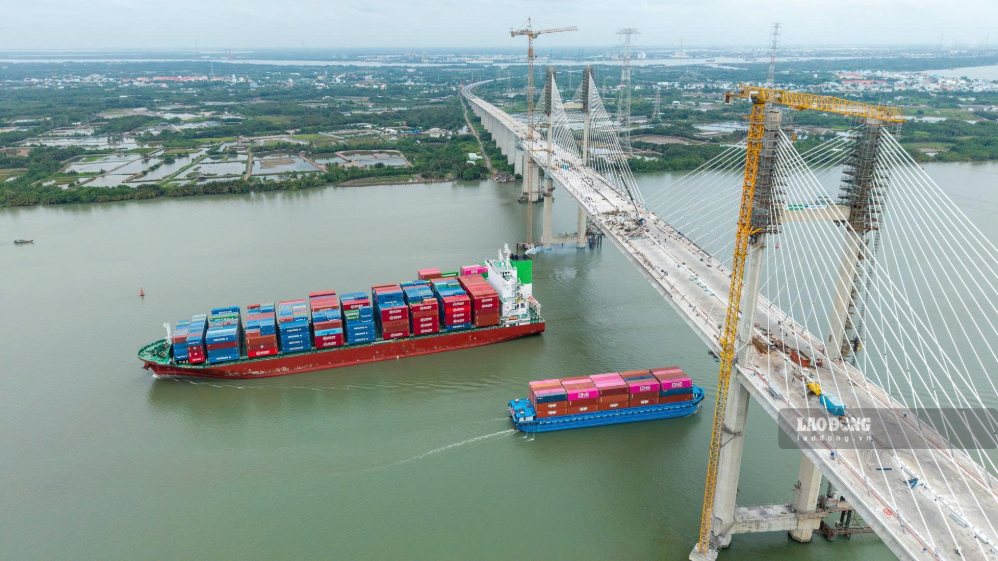
From this expressway, vehicles can connect directly with the Bien Hoa - Vung Tau expressway to enter T1 road leading to the airport without having to go through National Highway 51 as it is now.
Ring Road 3 HCMC
Another direction is that along Ring Road 3, Ho Chi Minh City will open the entire route to traffic at the end of 2026. Currently, Nhon Trach bridge and Ring Road 3 section through Dong Nai have been put into operation.
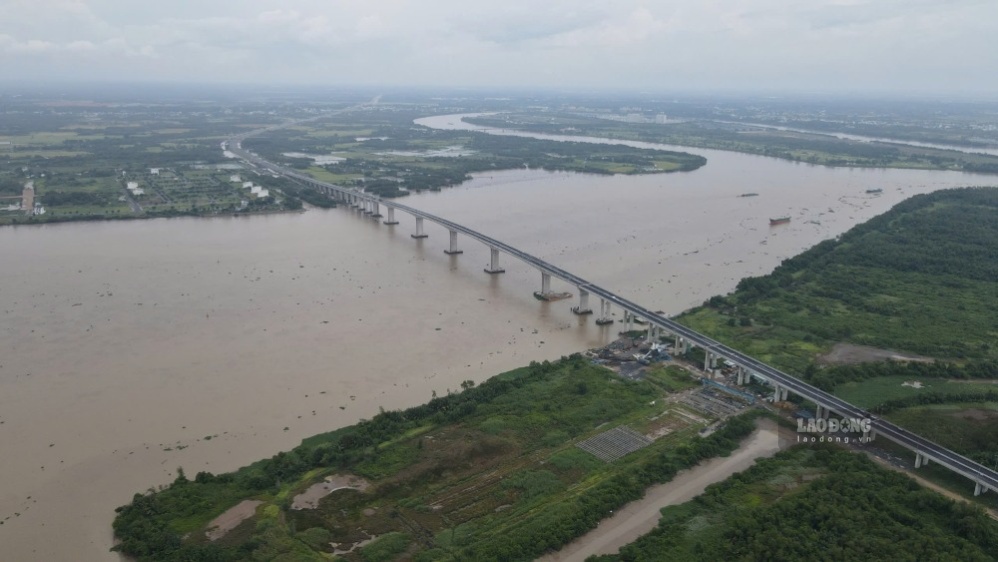
From here, vehicles can follow provincial road 25B to connect to National Highway 51 and then enter the airport. However, the limitation of this option is that they still have to travel on National Highway 51 - a road that is often congested.
In the future, when provincial road 25C directly connecting to road T1 is completed, vehicles will be able to go straight to gate No. 1 of Long Thanh airport without much dependence on National Highway 51.
Cat Lai ferry should only be a backup option
People in Ho Chi Minh City can still get to Long Thanh airport via Cat Lai ferry combined with Ring Road 2 and radial routes.
However, this is only an additional solution. Because Cat Lai ferry is often overloaded during peak hours, the waiting time is difficult to predict, so it is not suitable for passengers who need to ensure check-in time.
Buses will be the first public connection option
To meet travel needs when Long Thanh airport comes into operation, the Ho Chi Minh City People's Committee has proposed opening 13 new bus routes and adjusting the routes of 4 existing routes.
The new routes will directly connect Long Thanh airport with the center of Ho Chi Minh City, Tan Son Nhat airport, Binh Duong and the old Ba Ria - Vung Tau area. At the same time, the city is also studying opening routes to Bau Bang, Long Hai, Phuoc Hai and Ho Tram.
After 2030, there will be a metro connecting two airports
In the long term, the public transport network will play a key role in connecting Long Thanh airport with Ho Chi Minh City.
The focus is on the Thu Thiem - Long Thanh railway line, about 47.7 km long, including 18 stations, with a preliminary total investment of about 175,000 billion VND. The city sets a target to start the project on September 2, 2026 and put it into operation in 2030.
When completed, the Thu Thiem - Long Thanh railway line and Metro Line 2 will connect the center of Ho Chi Minh City, Tan Son Nhat airport and Long Thanh airport by public transport.
Along with extending Metro Line 1 to Dong Nai and investing in Metro Line 6 (Tan Son Nhat - Phu Huu), Ho Chi Minh City will gradually form a connecting metro network between the two largest airports in the country.


