
In the first days of September 2026, heavy rain occurred continuously in Gia Lai province, especially in the western area of the province, causing many places to be flooded and divided.
In the early morning of September 3rd, water rushed in quickly, causing localized flooding in residential areas in Hoi Phu and Thong Nhat wards, more than 100 people had to evacuate to ensure safety. Water flooded into houses, many households were isolated, causing property damage and potential risk of traffic unsafety.
In Thong Nhat ward, the cause of flooding was identified as the limited drainage capacity of the drainage ditch and culvert system. The existing ditch is narrow, not responsive when the rainfall increases suddenly, causing water to overflow, rise and then flow into alleys.
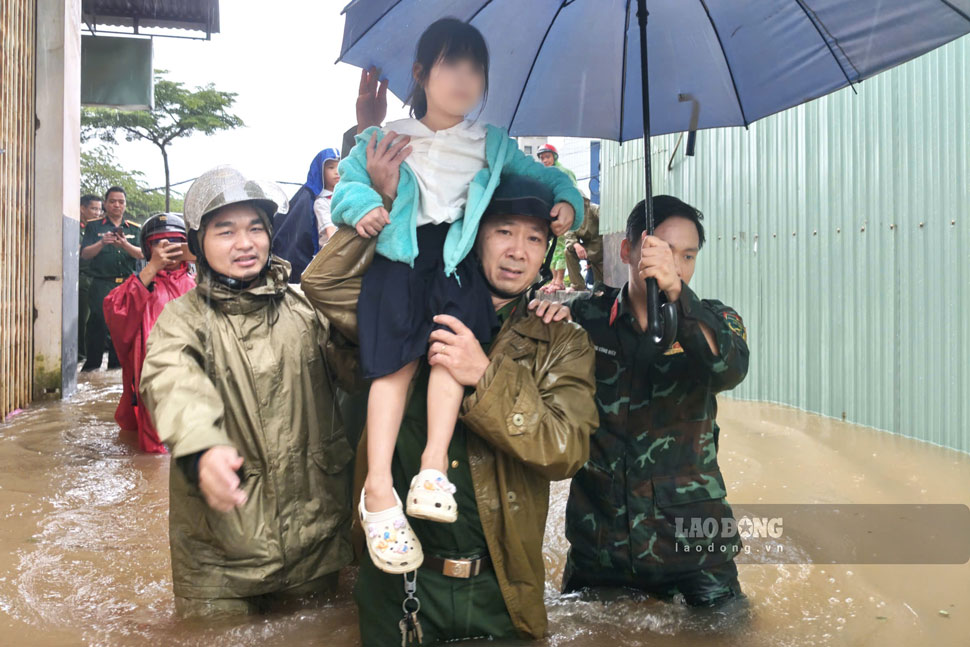
Previously, on September 2nd, heavy rain also caused the underpass overflowing through Chu Ko village (Ia Puch commune) to be deeply flooded, water flowing swiftly, causing traffic disruption. Functional forces had to put up warning ropes, be on duty and prevent people from arbitrarily passing through dangerous areas.
From the above reality, along with lessons in disaster prevention, especially after storm No. 13 and the historic flood at the end of 2025, Member of the Party Central Committee, Chairman of Gia Lai Provincial People's Committee Pham Anh Tuan requested communes and wards to proactively identify and zone each area at risk of flooding, landslides and traffic routes that may be cut off.
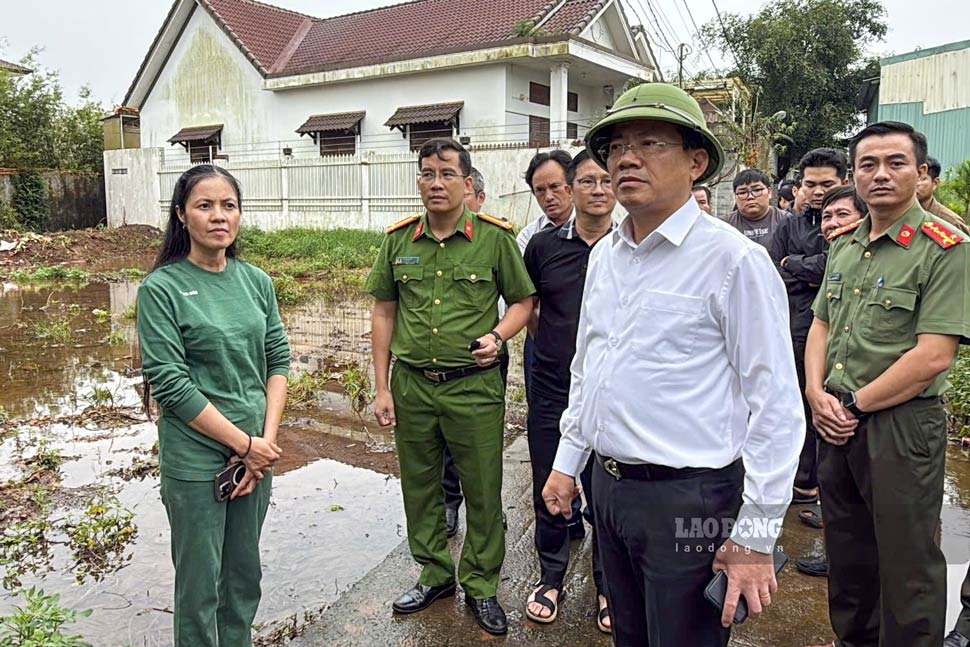
Localities must develop scenarios to respond to storms, floods, landslides, dam incidents and situations in key areas. Evacuation plans must be specific to each household, resolutely relocating people out of dangerous areas before being isolated, not waiting for "water to reach their feet to jump".
Communes and wards must ensure the organization and implementation of the "4 on-the-spot" motto - command on the spot; forces on the spot; vehicles and supplies on the spot; logistics on the spot.
In particular, it is necessary to anticipate situations of storms overlapping floods, deep flooding, power outages, loss of signal, traffic disruption, flash floods and landslides occurring at night. Forces and vehicles must be ready at key points to promptly rescue and evacuate people when situations arise.
Military and police forces maintain forces and vehicles ready to approach areas isolated by storms, floods, deep flooding, and landslides; control and divert traffic at dangerous points, not allowing people and vehicles to enter warned areas.
Regarding infrastructure, the Department of Construction must review traffic routes, bridges, culverts, taluy, flooded points, landslides, cuts and works at risk of unsafety; handle bottlenecks in flow and urban flooding. At the same time, inspect construction sites, prevent materials and soil from obstructing flood drainage or causing danger to residential areas.
The review and zoning of key points and the preparation of response plans early are urgently needed, in order to proactively evacuate people from dangerous areas before rain and floods become complicated, causing deep flooding and division.


