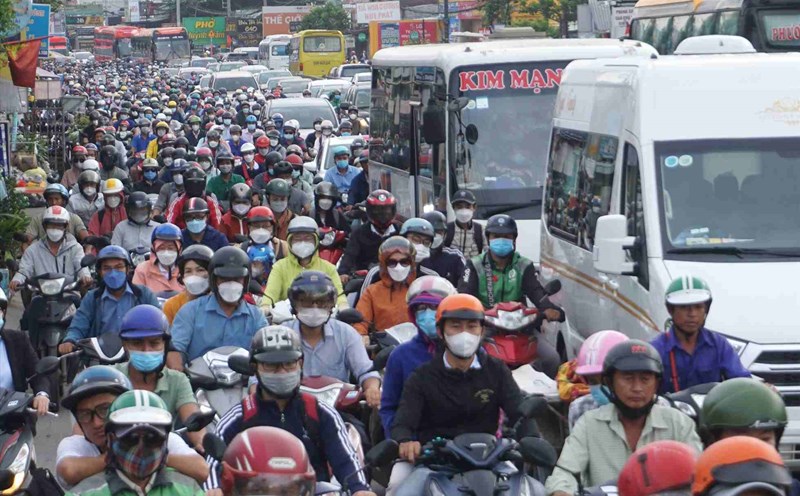
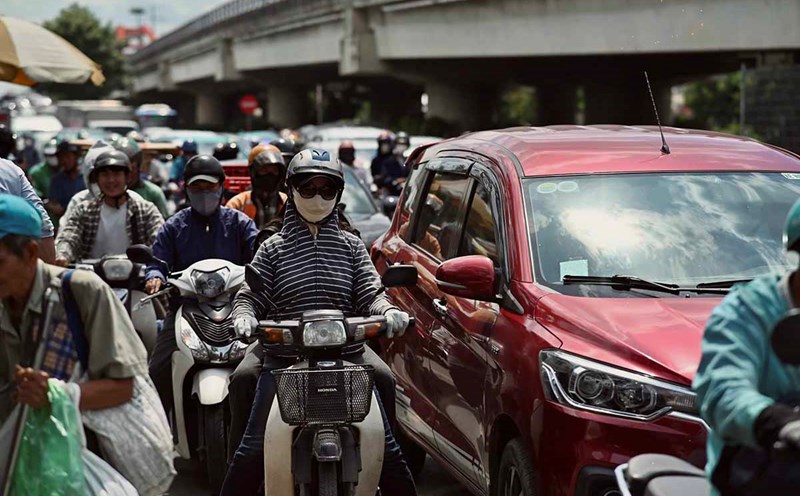
Dinh Bo Linh Street is an important connecting route from the Northeast to the center of Ho Chi Minh City, and is directly connected to National Highway 13.
In the morning, the traffic flow to Dinh Bo Linh mainly came from the two directions of Pham Van Dong Street and National Highway 13. Not only that, the number of vehicles from Nguyen Xi and Chu Van An routes continuously entered, causing increased traffic pressure.
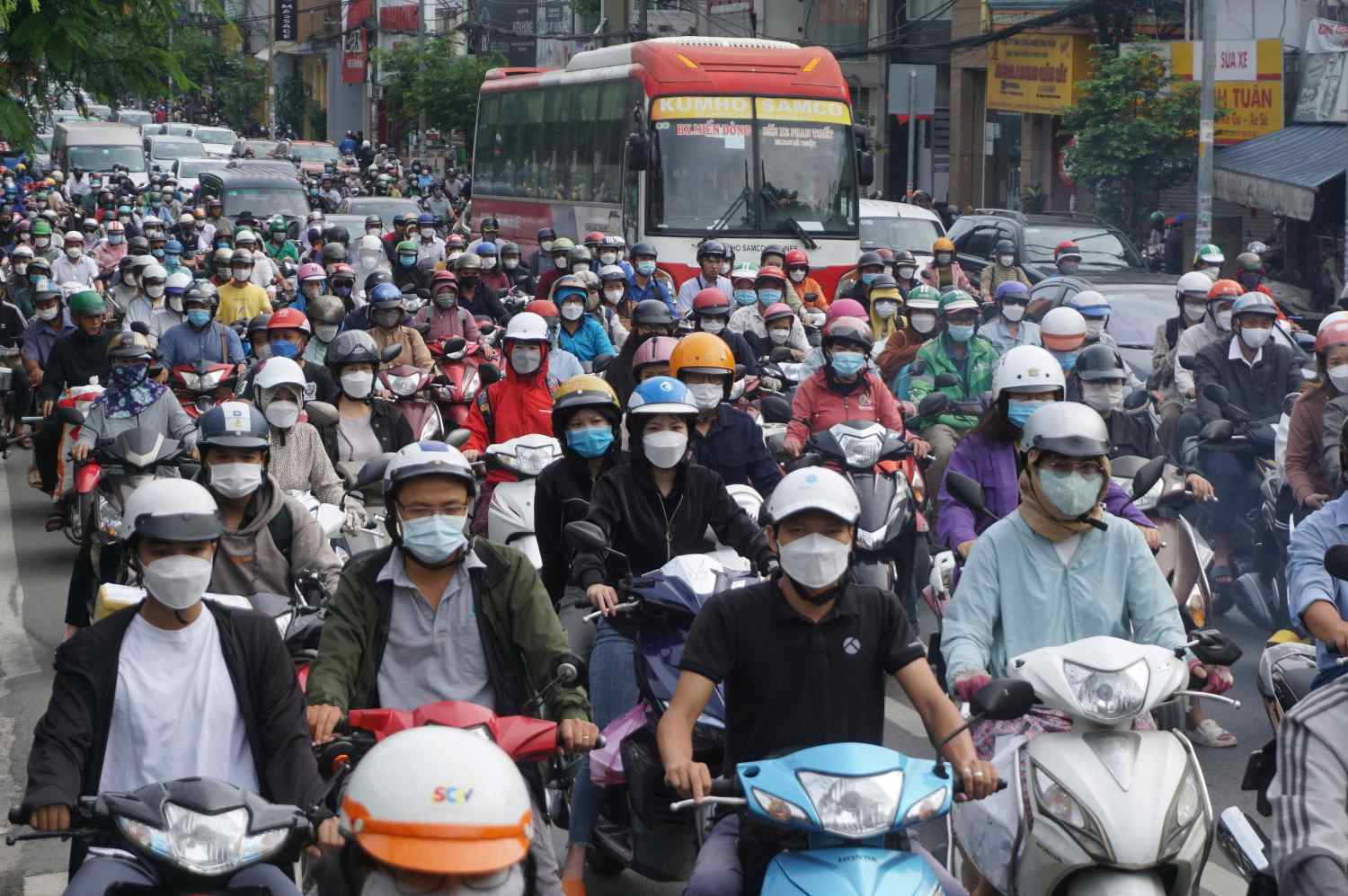
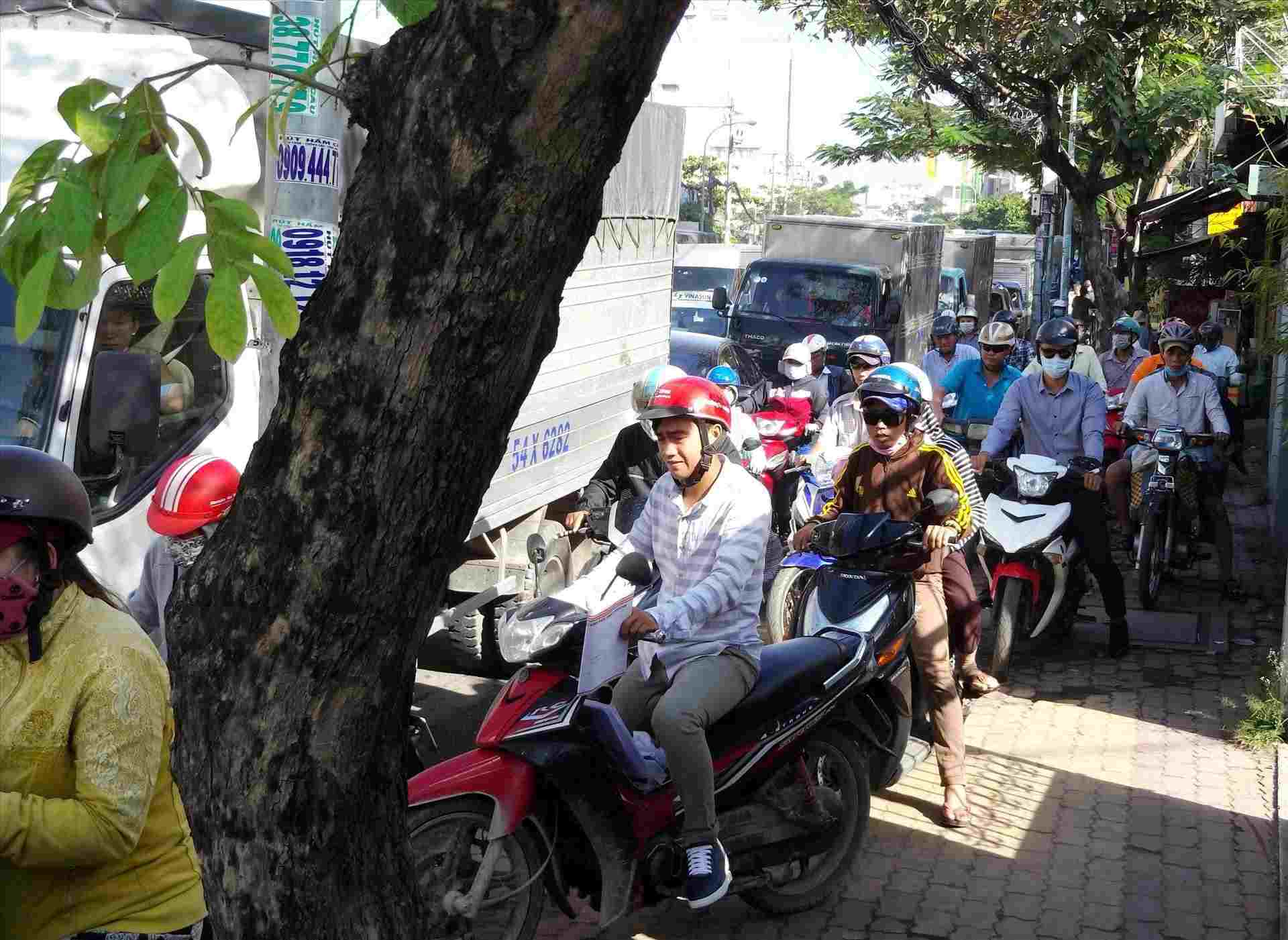
At the intersection with Bach Dang Street, the traffic flow is large, causing vehicles on Dinh Bo Linh Street to often wait for long red lights, causing serious congestion.
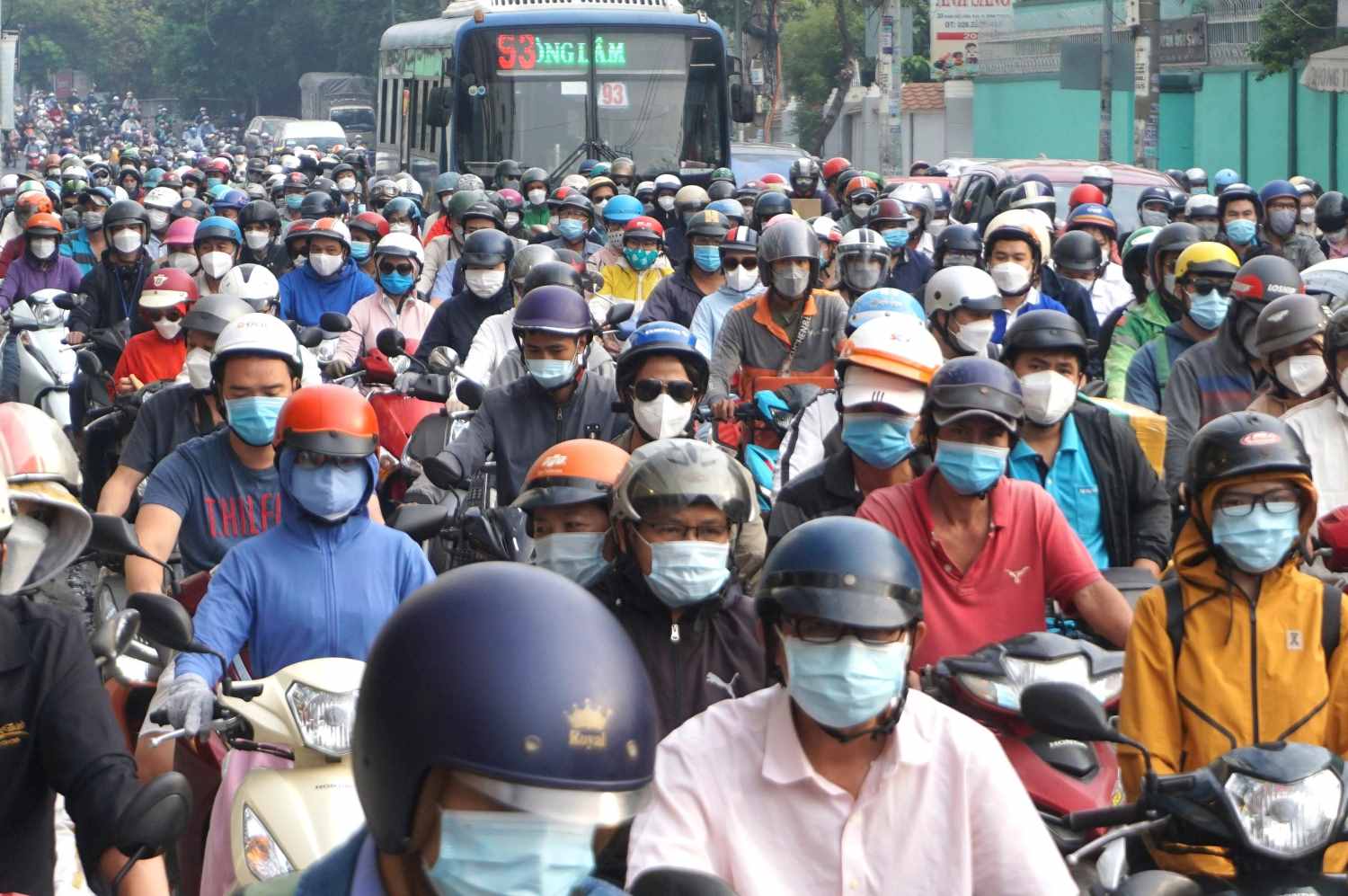
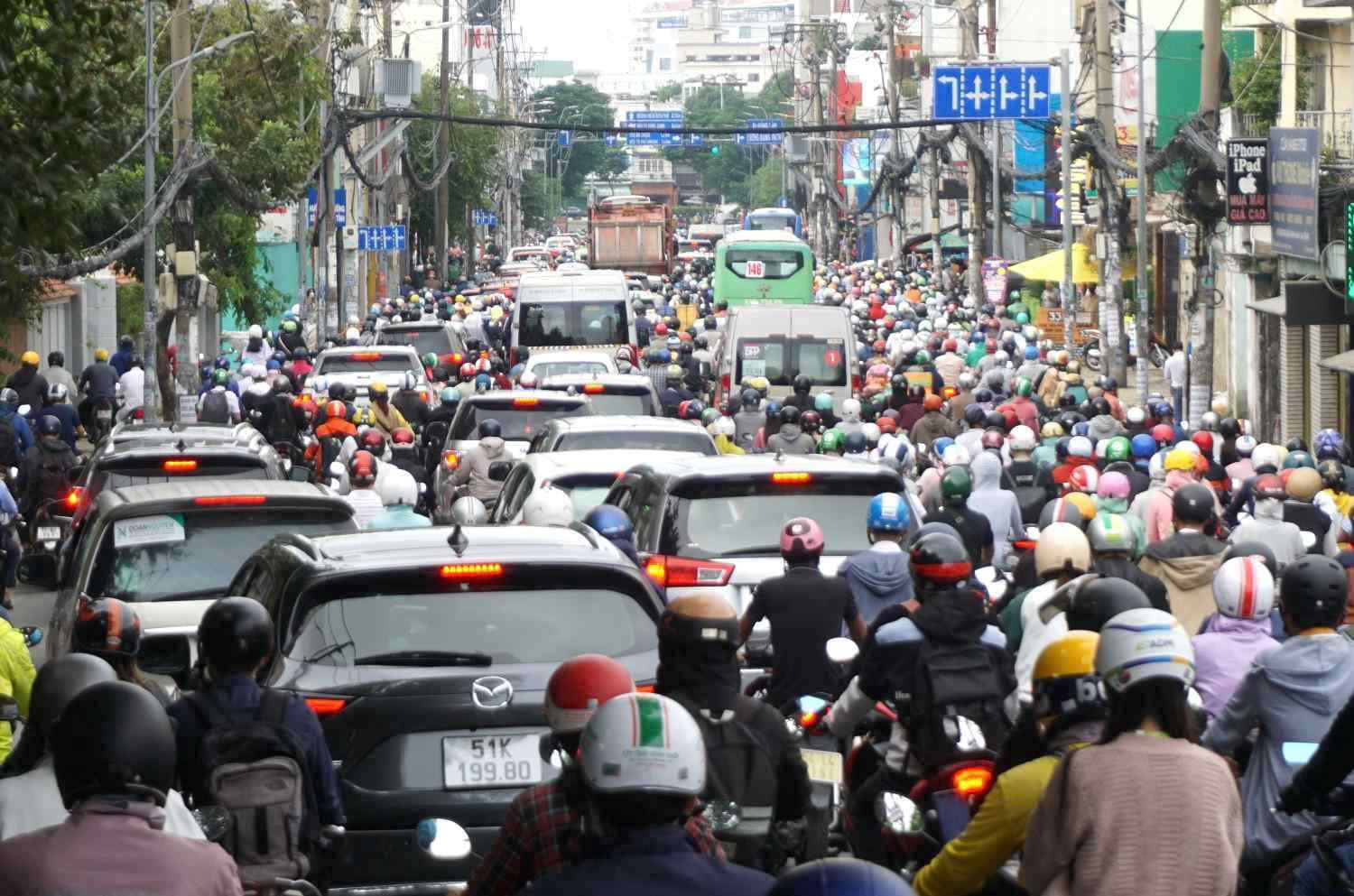
In case of avoiding going through Dinh Bo Linh Street, people can choose the route through Tam Vu Street (under Binh Trieu 1 and 2 bridges) to Ung Van Khiem Street, or follow Pham Van Dong Street to turn onto No Trang Long, Le Quang Dinh, Phan Van Tri routes to the center of Ho Chi Minh City.
However, these directions are both longer and often congested during rush hour, causing travel time to not improve significantly.
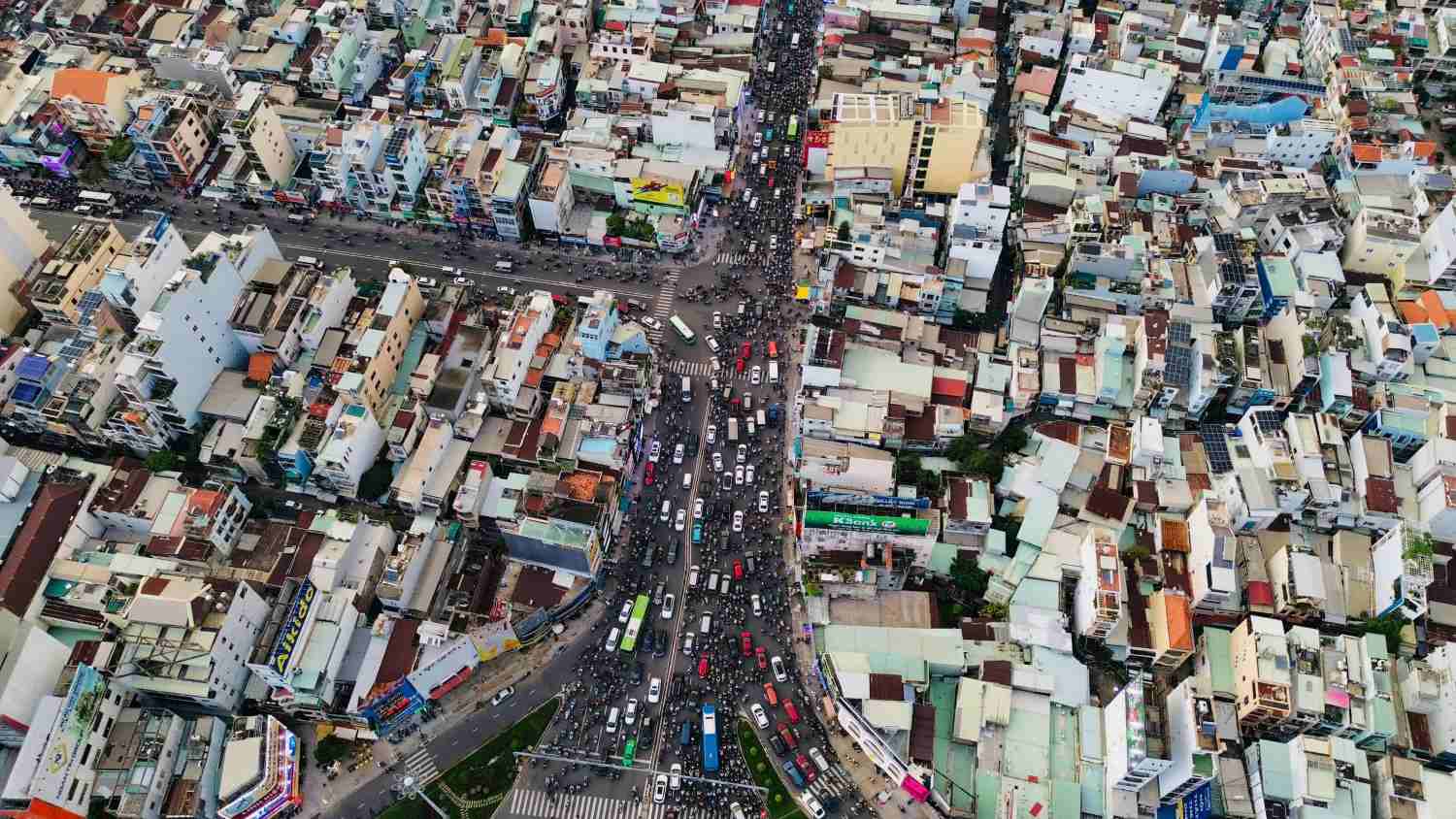
In the opposite direction, from the center of Ho Chi Minh City to the Northeast gateway, Xo Viet Nghe Tinh Street - the section from Hang Xanh overpass to Dai Liet Si intersection is also a hot spot with prolonged congestion.
The Dai Liet Si intersection area is considered one of the most complicated intersections in the city when it simultaneously intersects many important routes such as Xo Viet Nghe Tinh, National Highway 13, Ung Van Khiem and Nguyen Xi.
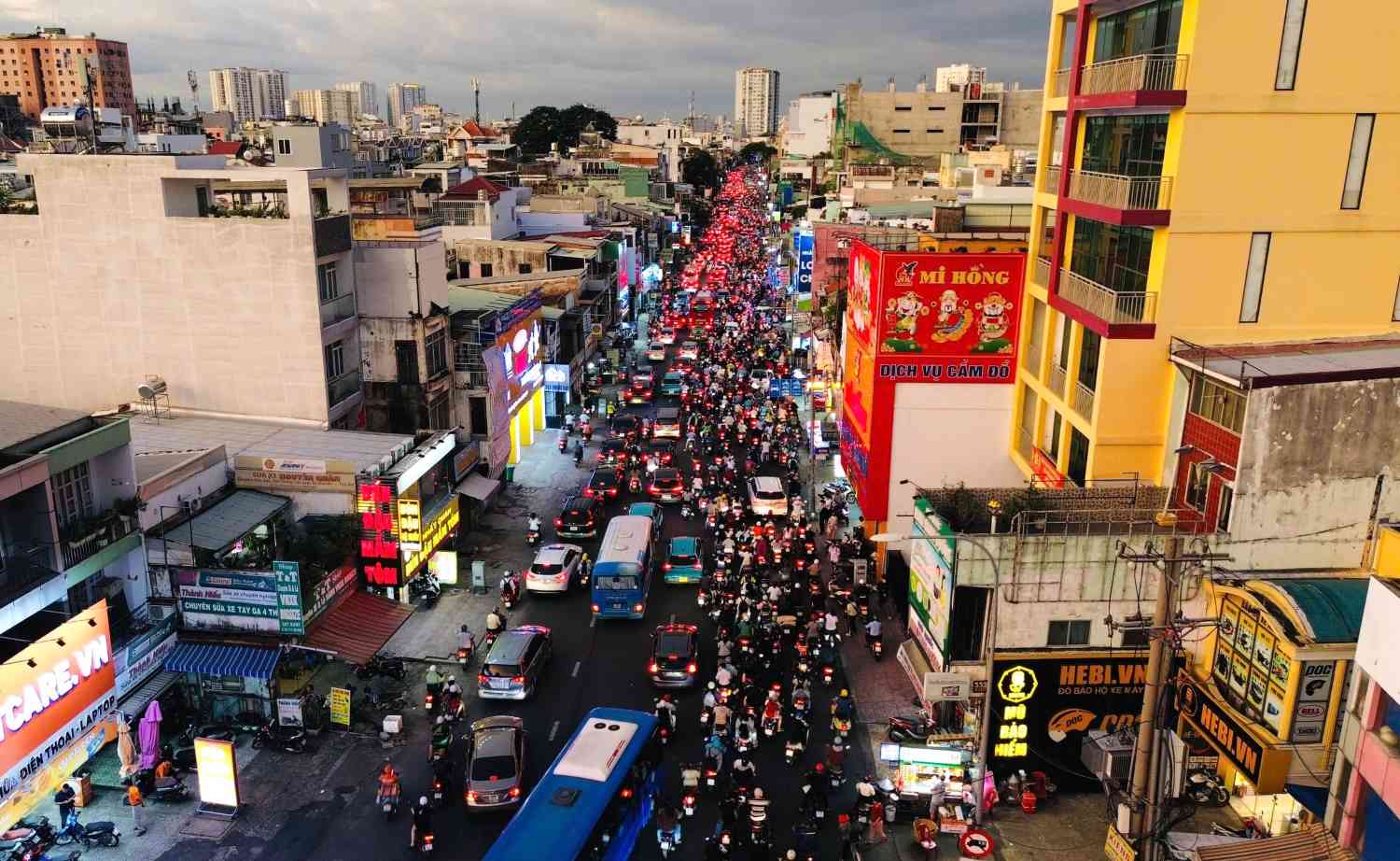
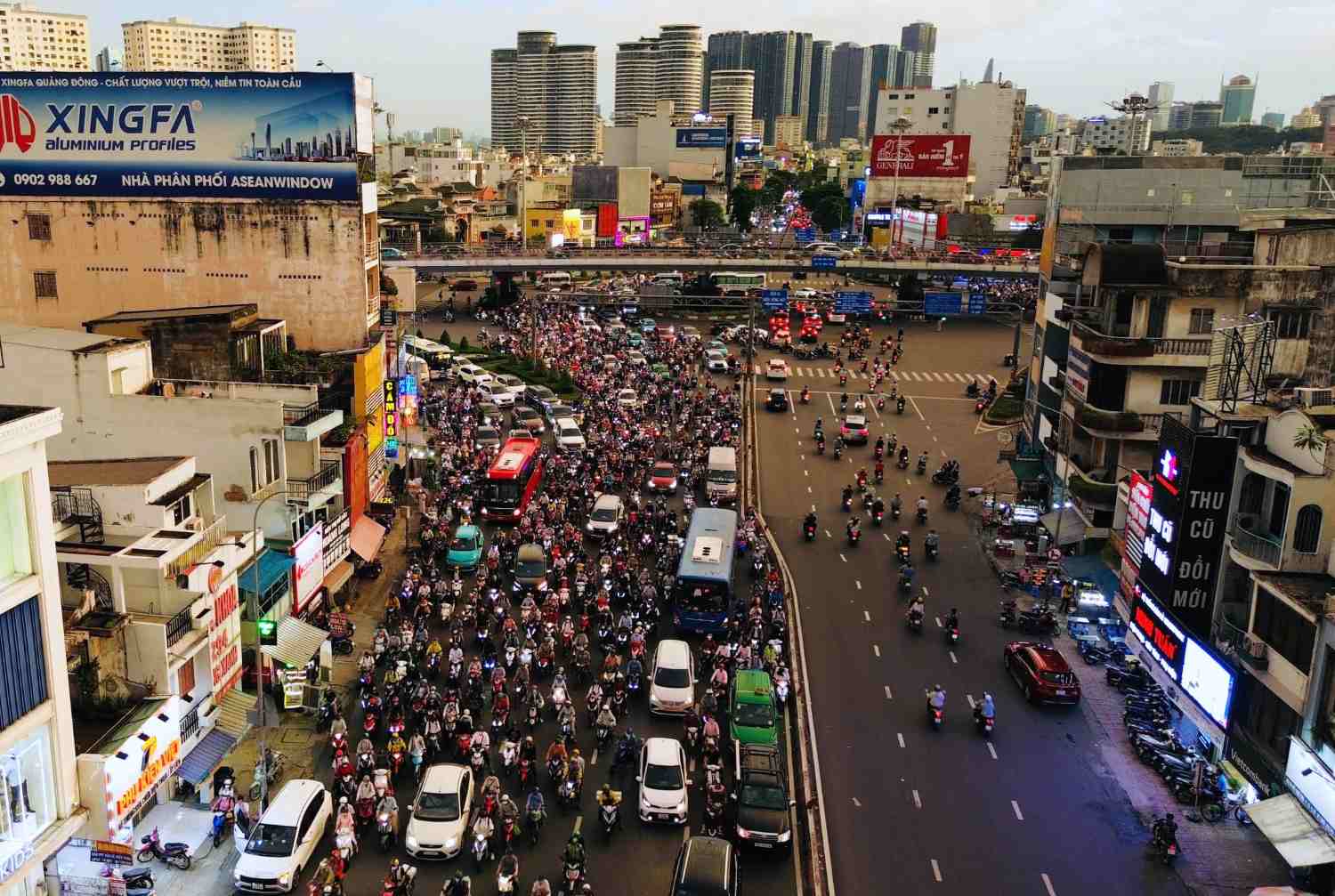
According to the Ho Chi Minh City Department of Construction, Xo Viet Nghe Tinh Street (from Hang Xanh intersection to Binh Trieu Bridge) is planned to be expanded with a cross-section of 30 - 40 m, while the current status is only about 16 - 22 m.
Dinh Bo Linh Street (from Dien Bien Phu Street to Binh Trieu Bridge) is planned to have a cross-section of 25 m, about 21 m from the current status.
Currently, the Ho Chi Minh City Department of Construction is preparing a dossier to propose an investment policy to expand the two routes according to the plan.
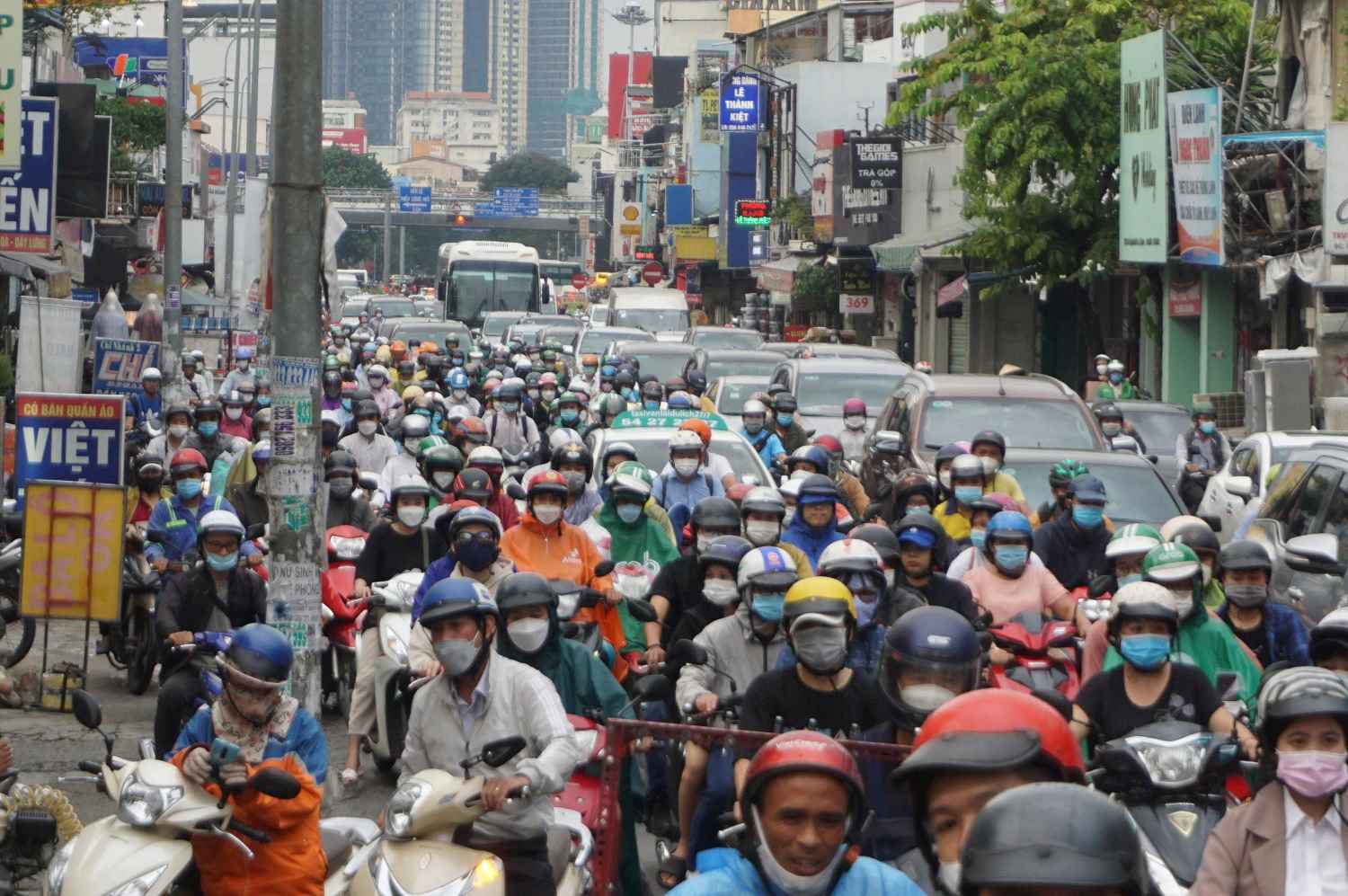
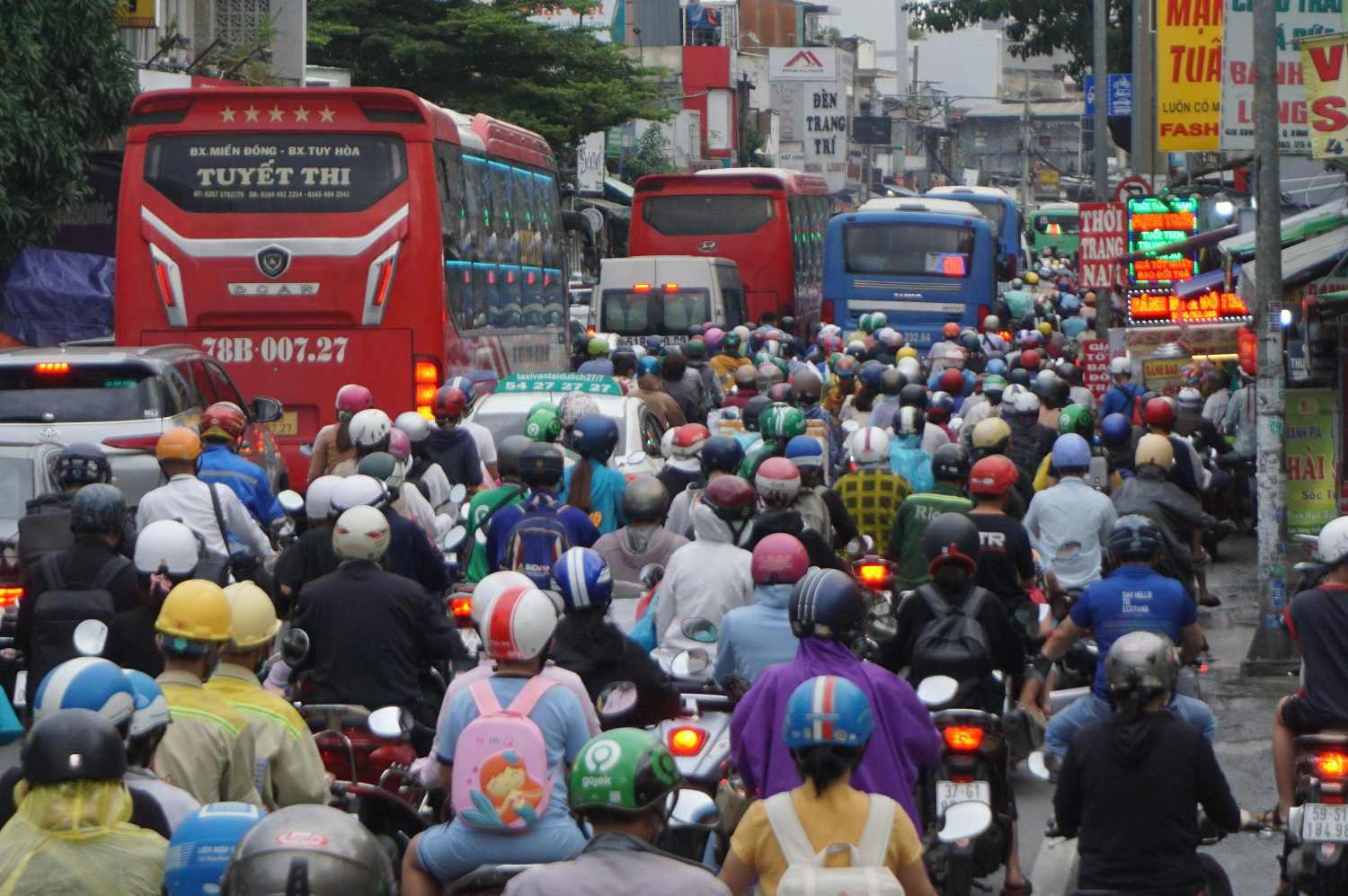
At the same time, Ho Chi Minh City is also studying the construction of Binh Trieu 3 bridge with a scale of 4 - 6 lanes, located between Binh Trieu 1 bridge and Binh Trieu 2 bridge. When completed, the Binh Trieu bridge cluster will have about 10 lanes, meeting the huge traffic demand at the Northeast gateway.
Notably, Ho Chi Minh City plans to deploy an elevated route running along the Dinh Bo Linh and Xo Viet Nghe Tinh axes.
According to the Department of Construction, the expansion and construction of the elevated roads on these two routes not only contributes to reducing congestion but is also in sync with the National Highway 13 expansion project, expected to start construction at the end of 2026 and be completed in 2028. Of which, about 3.2 km in the middle of the route will also be built with a 4-lane elevated road.
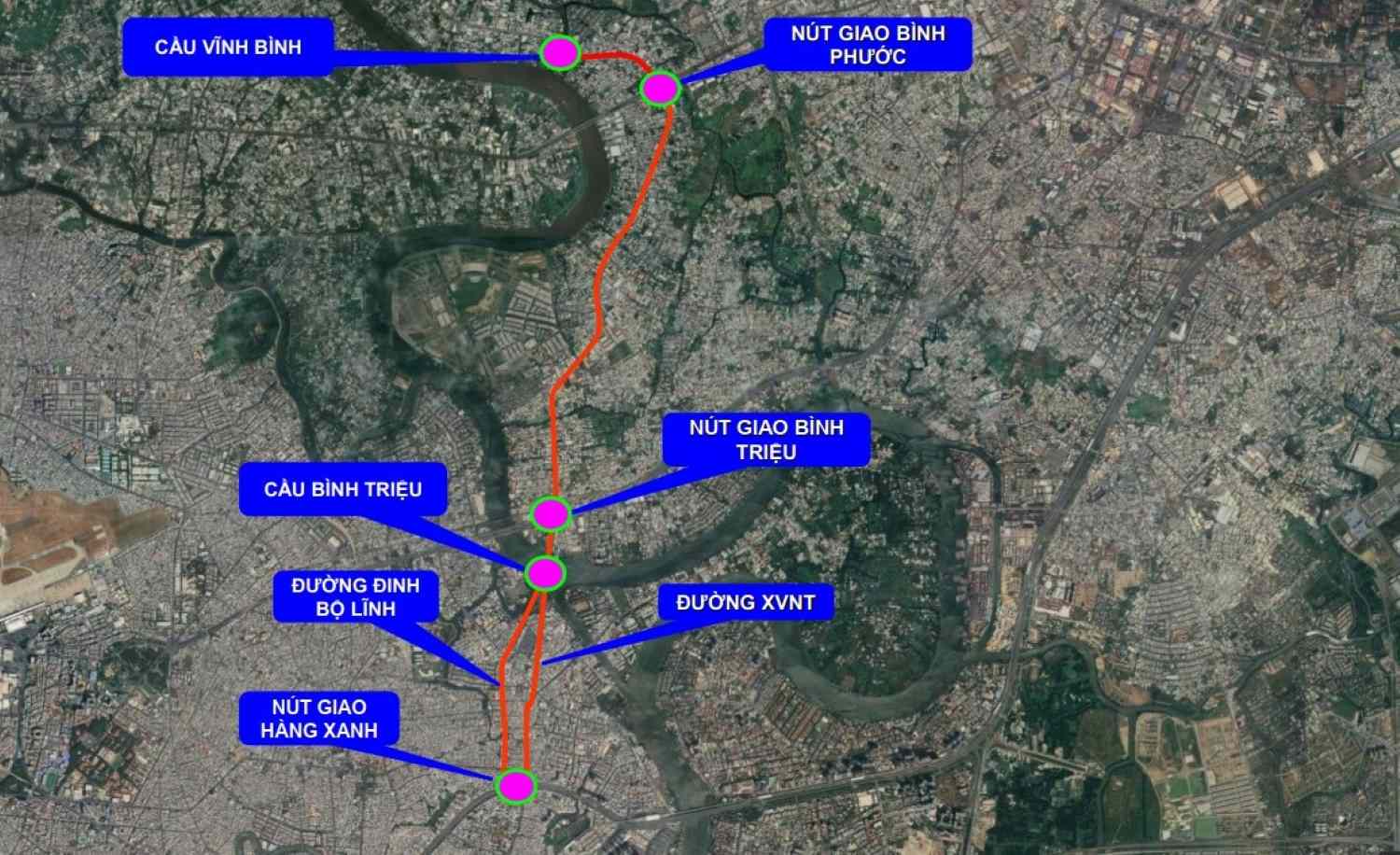
When the entire system of bridges, expanded roads and elevated roads is completed, Ho Chi Minh City will form a modern, smooth traffic axis from National Highway 13 to Dien Bien Phu Street.
This is expected to be a key solution to end the congestion that has lasted for many years in the Northeast gateway area, especially the "hot spot" Binh Trieu - Dinh Bo Linh - Xo Viet Nghe Tinh.