
Forest contracting, a turning point in the highlands
Early in the morning in Lang Ren village (Minh Long commune, Quang Ngai) began with the sound of the wind receding through the ancient canopy and the sound of the palm forest leaves stirring together. That space, for many people, is just a familiar sight of the mountains and forests. But in the eyes of the rangers and members of the Forest Protection Community Team here, it is the sound of life - of a forest hundreds of years old that is being preserved every day.
We follow the forest protection force on the journey to recognize the double benefits of forest contracting. A policy that both protects natural resources and creates sustainable livelihoods for ethnic minorities.
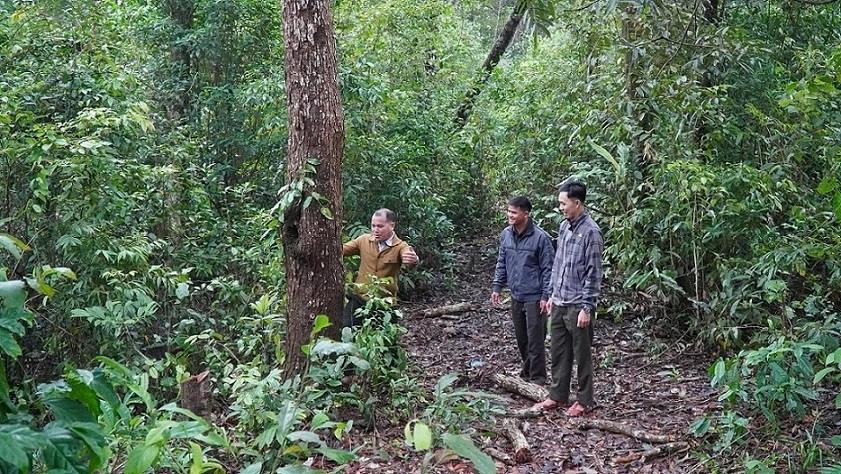
Mr. Pham Duy Hung - Deputy Head of the Quang Ngai Provincial Forest Protection Department - said that the whole province currently has more than 5,600 households and 500 communities assigned to protect forests, with more than 204,000 hectares of natural forests. That seemingly dry number is the foundation for a major change in mountainous districts, where previously, the pressure to make a living always put forests at risk of being eroded.
In Lang Ren village, the natural forest covers 1,400 hectares, as vast as a green coat that embraces the whole village. But many years ago, that forest was not peaceful. When the price of acacia is high, forest land becomes a target for many people. The illegal exploitation, unexpected fires and encroachment on forest land have caused headaches for the forest rangers.
Only when the contracting policy was implemented from 2020 did the situation change. People, those who understand the forest best, become the key forest protection force. The Lang Ren village forest protection community group has 51 participating households, selected from 90 households in the village, who are healthy, reputable and responsible people.
"Being assigned 1,400 hectares of natural forest is a great honor for the people" - Mr. Dinh Van Tach, a member of the group, shared while preparing equipment for the patrol.
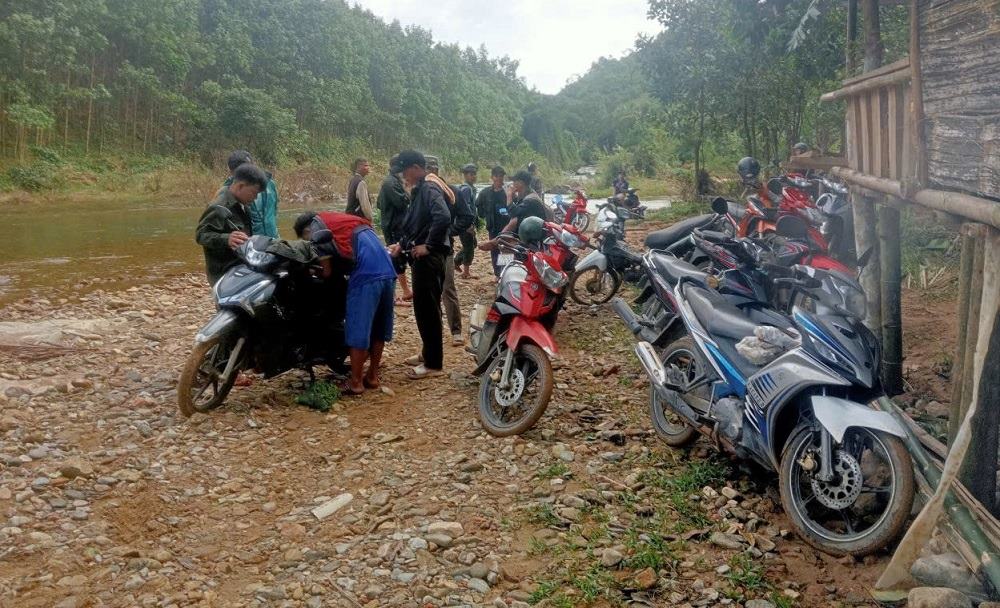
The community group is divided into 4 groups, each group is in charge of an area. They rotate to patrol every month, but when there are unusual signs such as thunderstorms from afar, strange footprints or smoke rising from the forest, people can leave immediately. In the forest, every sound has meaning. I heard many familiar words, and if I found anything strange, I immediately reported it to the station, said Mr. Tach.
Accompanying us was Mr. Dinh Van Viet - forest protection management staff of Minh Long Forest Management and Protection Station. Mr. Viet is familiar with every tree root and every trail here. As soon as he left, he confided: "This forest is a hundred years old. In the past war, our soldiers also took the forest as a shelter. Preserving the forest now is not only about protecting resources but also preserving part of the history of our ancestors.
Mr. Viet compared the people to the "eyes" of the forest rangers. Without their coordination, the specialized forces would have a hard time controlling this large area.
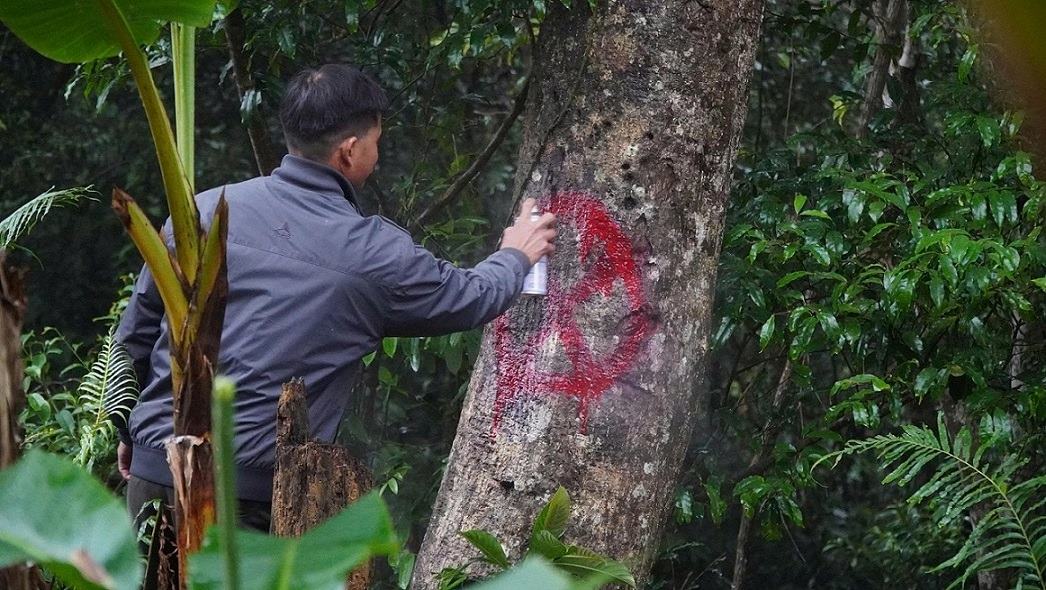
Going deeper into the forest, the yellow light filters through the canopy of trees tens of meters high, sending down to the ground streaks of light intertwined like silk strips. Somewhere, the bird calling resounded, interspersed with the constant footsteps of Mr. Viet and the group members. The forest air is cool, but every drop of sweat on the forehead of forest rangers shows the heat of this work.
"Sometimes when I patrol, I encounter forest rain all day, but it's getting used to it. Preserving the forest means keeping our life, said Mr. Dinh Van Eve - a veteran member of the Lang Reng forest protection team, pointing to the majestic ancient trees: This is the sweet fruit we have received. Seeing the forest live well is fun.
Previously, Mr. Ai's family lived mainly by growing acacia, which took a lot of time and risk. Since accepting the contract, he has had a stable annual income and also additional sources from the forest: growing water clouds, harvesting star fruit, harvesting honey... Forests are not only a resource, but become a sustainable livelihood.
Livelihood from the forest is the way out of poverty
According to Ms. Dinh Thi Suc, Vice Chairman of Minh Long Commune People's Committee, forest lease has completely changed the lives of many households. When assigned the responsibility, they are clearly aware of the value of the forest and are even more attached to their homeland.
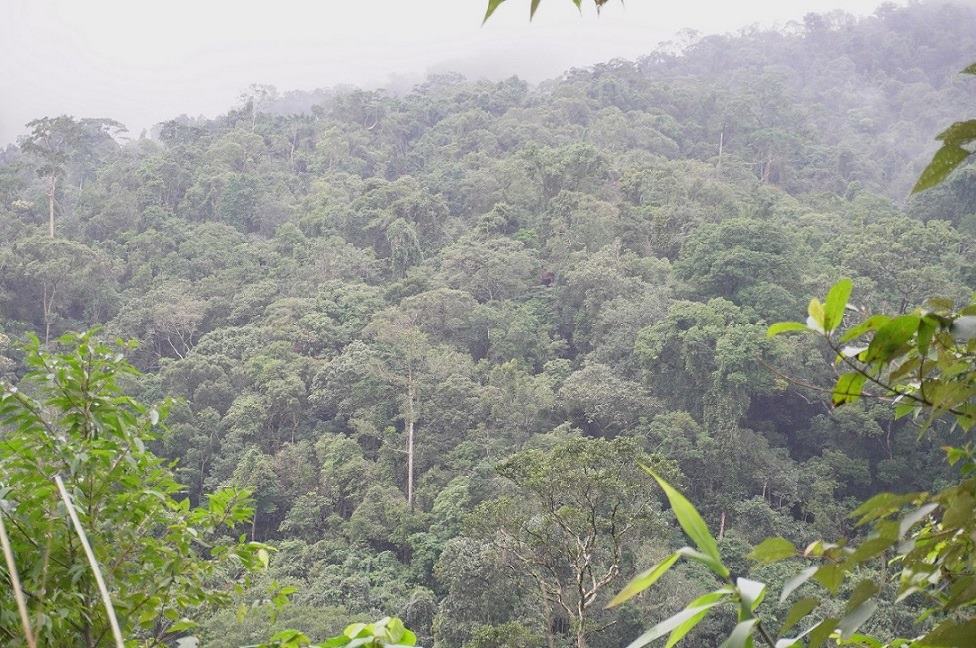
The source of forest environmental service payment in Quang Ngai reaches about 400 billion VND per year, allocated directly to households and communities receiving contracts. This revenue comes from hydropower plants, industrial facilities, water supply and eco-tourism areas... From there, the pressure on forest resources is significantly reduced.
Mr. Pham Duy Hung said that most households still only benefit indirectly. The current payment level - about 500,000 VND/ha/year for area 1 and 600,000 VND/ha/year for areas 2 and 3 - has not fully exploited the potential of the forest.
To bring more benefits to forests, the Quang Ngai Forest Protection Department is implementing a Project to develop the multi-purpose value of the forest ecosystem by 2030, with a vision to 2050. The goal is to build a livelihood model under the forest canopy, promote eco-tourism, and reasonably exploit non-timber forestry products.
Along with that is a plan to coordinate with ministries and branches to develop a policy for payment for forest carbon absorption services and a mechanism for carbon credit exchange. When implemented, people who are the subjects directly protecting the forest will have more sustainable revenue. That is the way for the forest contracting policy to be effective in the long term, Mr. Hung emphasized.
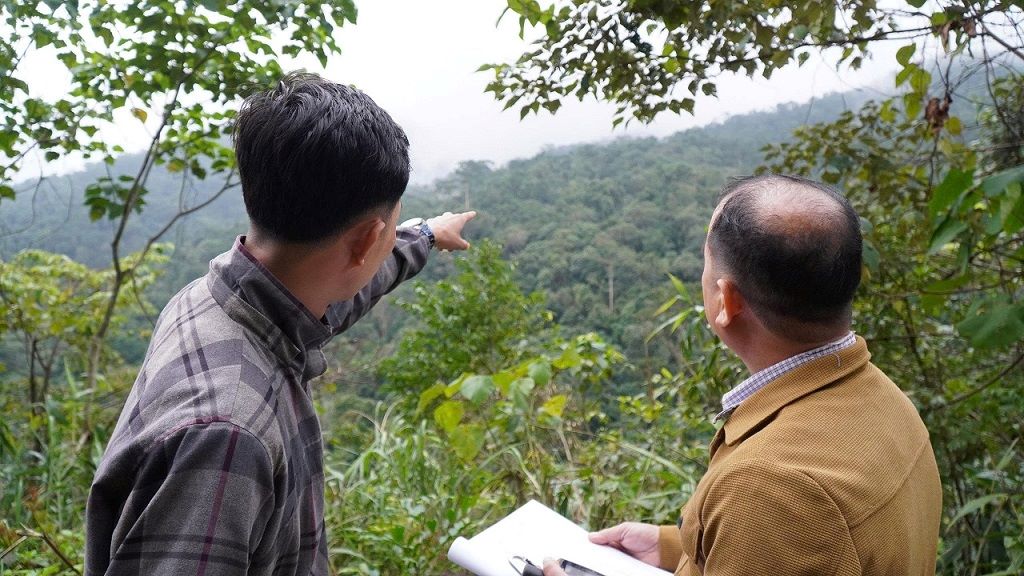
The afternoon gradually decreased on the Minh Long mountains. The patrol team ended the trip and returned to the village. The shoe marks still printed on the damp soil, as proof of the silent journey of those who do not air on television every night, do not appear on the golden board of achievements - but carry the most important task in hand: to keep the forest "lived".
Amid the difficulties of the people in the mountainous areas, forest contracts have opened a new door. Forests are better protected. People have more stable livelihoods. And in villages like Ren Village, forest protection is not only a task, but has become a source of pride.
Every day's footsteps into the forest, silent patrols in the dark, calls ranging out in the great forest... are together creating a lasting "fire wall" - to keep tens of thousands of natural forests in Quang Ngai green, continue to tell the story of human strength, people's strength and the vitality of the great quarter of Quang Ngai.


