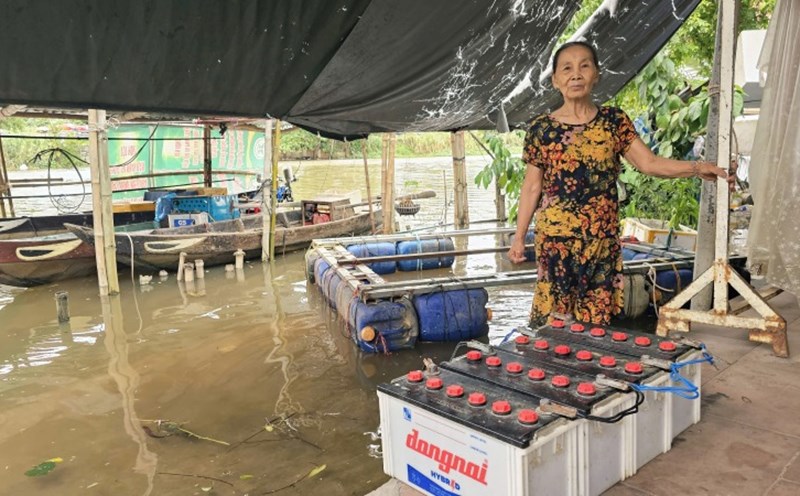
Central region struggles with extreme natural disasters
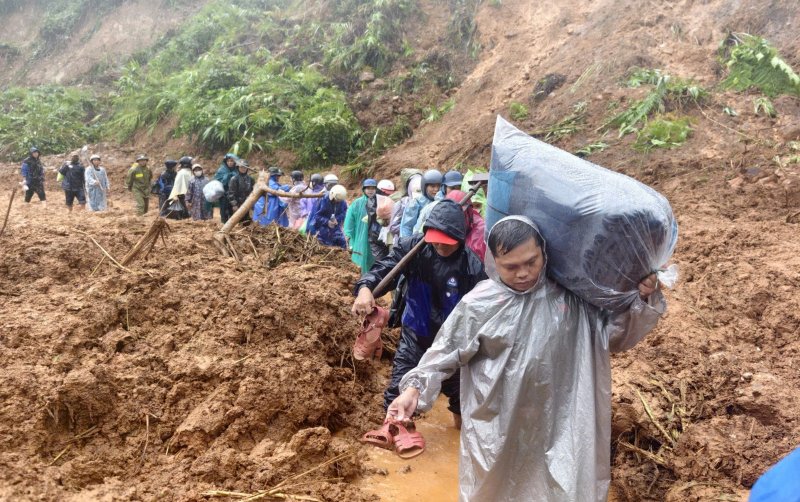
In the morning returning to his old village, Mr. Nguyen Van Cong (in Ngoc Giac village, Tra Tan highland commune, Da Nang city) was almost dead. The dirt road leading to the village was torn, half of the hill behind the house collapsed, burying the wooden house of several relatives. "If I had not listened to the commune's calls to evacuate yesterday, my whole family would not have anyone left...", Mr. Cong said.
Mr. Nguyen Hong Lai - Secretary of Tra Tan commune - said that since August - the beginning of the rainy and stormy season, the commune has conducted a field survey, identifying areas at risk of flooding, landslides, flash floods to give early warnings and evacuate 106 households. After the flood in late October - early November 2025, the whole commune had 32 houses completely buried, 30 houses were partially buried, with no casualties.
Mr. Mai Van Khiem - Director of the National Center for Hydro-Meteorological Forecasting - said that during the fierce natural disaster sweeping through the Central region from October to November 2025, some places in one week repeated up to three times the historical rain and flood values.
During this time, the water level in the rivers of Bo, Huong (Hue city), Vu Gia, Thu Bon (Da Nang), Dinh river (Khanh Hoa), Ba river, Ban Thach, Ky Lo (Dak Lak) ... rose rapidly, surpassing the historical flood peak.
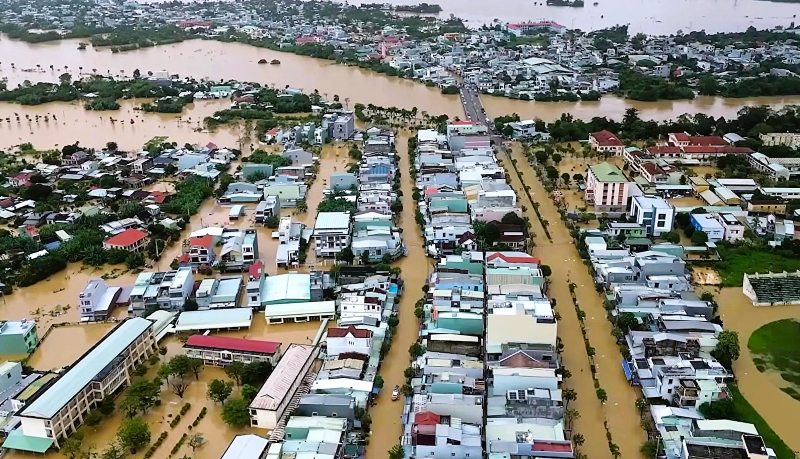


In terms of terrain, the Central region is a narrow strip of land caught between the Truong Son range and the sea. Short rivers, slopes, and small basins cause rainwater to increase rapidly, rise rapidly, and recede slowly. When the rain is especially heavy for a long time, flash floods, landslides in mountainous areas and deep flooding in downstream areas are almost inevitable.
Don't wait for the water to rise before fighting
The recent floods did not come unexpectedly. Many days before the peak rain, the National Center for Hydro-Meteorological Forecasting and regional stations continuously issued warning bulletins: rainfall exceeding 300-500mm, floods on many rivers are likely to reach and exceed alert level 3, even exceeding historical mark; risk of flash floods and landslides from Quang Tri to Lam Dong, especially in Hue, Da Nang, Khanh Hoa, Dak Lak.
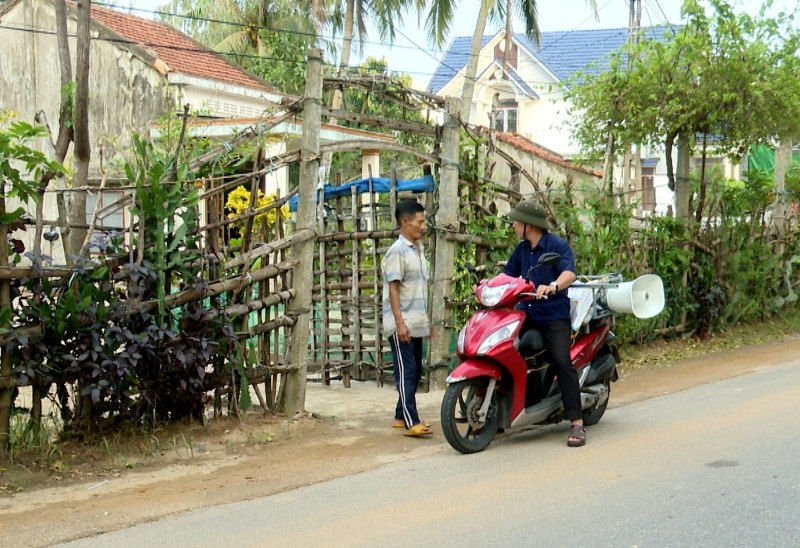
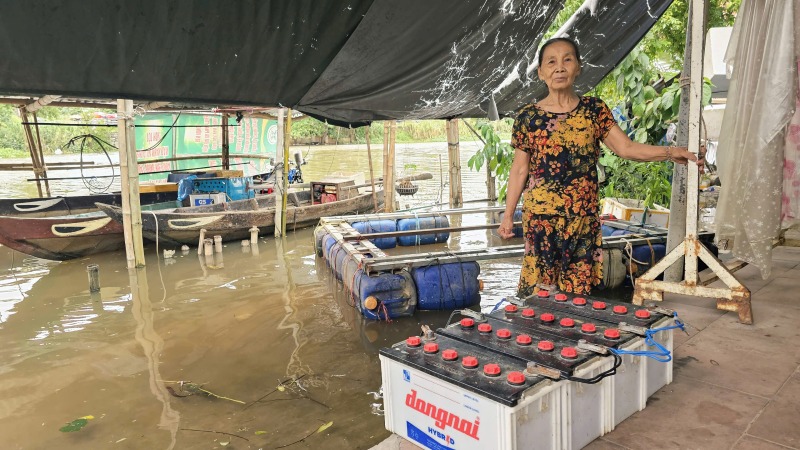
According to Mr. Truong Xuan Ty - Deputy Director of the Department of Agriculture and Environment of Da Nang, as soon as receiving warnings of especially heavy rain, the city continuously issued telegrams and held online meetings with communes and wards. The "worst" option - according to the scenario equivalent to the flood in 1999 was set out: stop teaching, prohibit people from picking up firewood, fishing on the river, and prepare to evacuate tens of thousands of people in low-lying areas and mountain foothills.
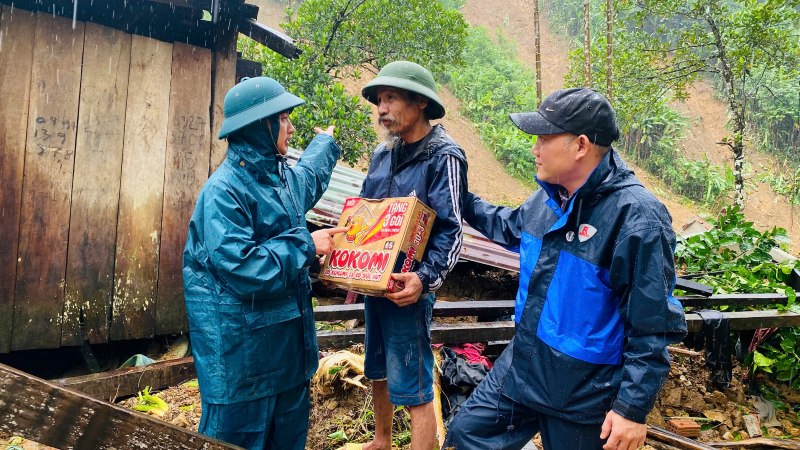
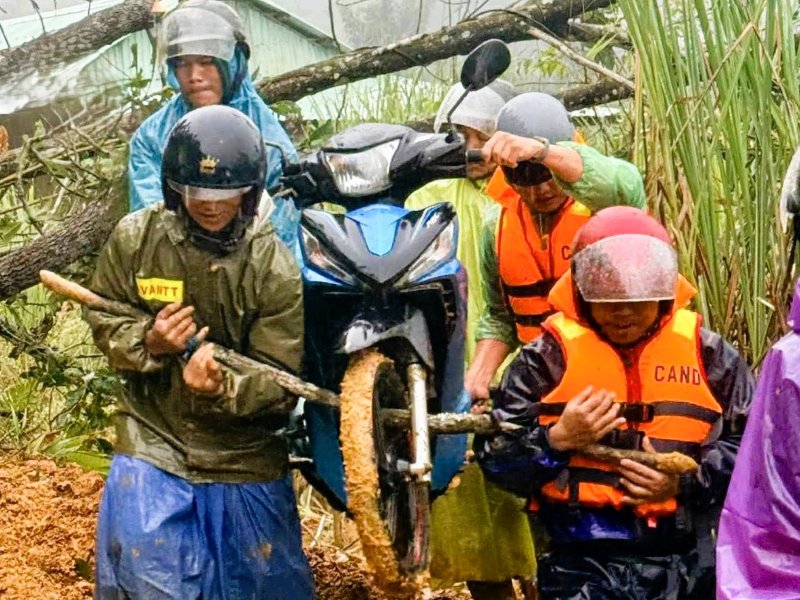
Along with the city's telegram, text messages, Zalo, loudspeakers... are activated simultaneously. Nearly 60 communes and wards in low-lying areas at risk of landslides have been urgently warned; police and militia forces are on duty at spillways and vulnerable points, prohibiting people from passing. Localities do not wait for the water to rise before fighting, but proactively check, clear the flow, prepare evacuation points, reserve food and life jackets right from the time of receiving the warning of prolonged heavy rain. The warning information was broadcast in Kinh and Co Tu languages, helping many ethnic households proactively and promptly evacuate people and property, with the help of local shock forces.

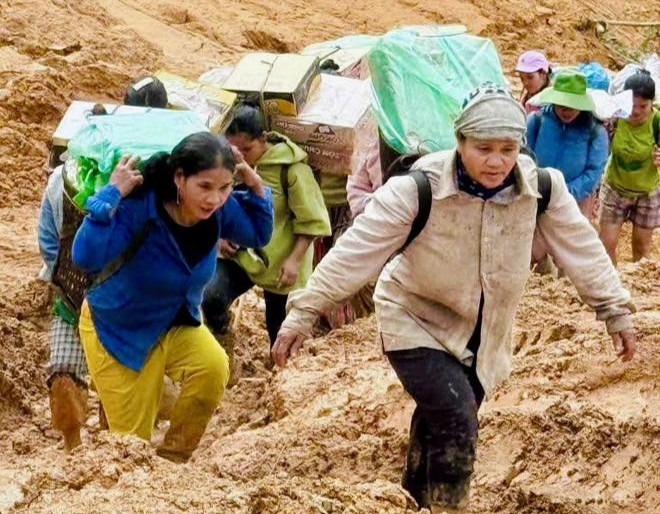
Mr. Le Trung Thuc - Chairman of Tra Tap Commune People's Committee - said that before the storm, the locality proactively helped people harvest rice and crops in reserve, but prolonged rain caused the rice and potatoes to not dry and moisture in time. The commune has provided rice from boarding schools to provide emergency support to the people and will fully refund it so as not to affect the students' meals. Thanks to early reserves and flexible handling of situations, even though they have been isolated for more than a week, these remote villages still do not fall into hunger.
From this experience, the commune continues to propose that the city provide dozens of tons of additional rice reserves to more than 8,000 people, ready to cope with the next heavy rain and digital storm.
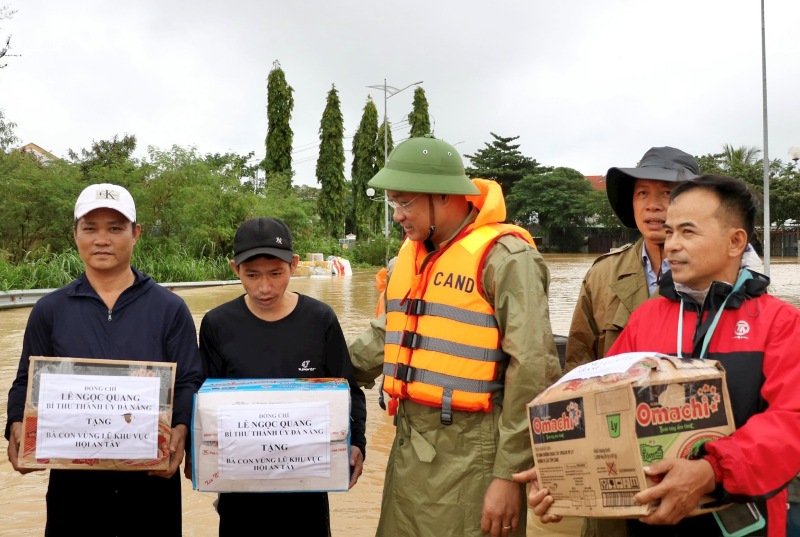
Looking back at the historic flood, Da Nang City Party Secretary Le Ngoc Quang said that after the flood, the biggest concern for both the government and the people is landslides.
This year, prolonged heavy rain caused the land to be "full of water", losing track, and many serious landslides occurred in mountainous areas, especially in the West of the old Quang Nam - where the terrain was cut off and many hills.
The city has determined to evacuate 16,000 people from areas at high risk of landslides and deep flooding, contributing to minimizing human damage, especially in high mountains with continuous landslides. Thanks to that, even if mud floods "erased" the entire village like in Tra Tan commune, luckily there were no casualties.