
Rice fields cracked, pumping station operates intermittently
In the last days of June and early July, hot weather continuously appeared in many localities in Nghe An. At one point, Con Cuong commune recorded a temperature of nearly 40 degrees Celsius, the highest in the country. High temperature, low humidity, along with a long period of little rain, have caused many lakes, dams, and canals in the area to reduce water levels, even dry up.
In many summer-autumn rice fields in Dai Dong, Nghi Loc, Lam Thanh, Hung Nguyen Nam communes, the field surface is dry white, cracked. Many areas of rice grow slowly, leaves wither yellow, and some places are facing the risk of total loss if water is not replenished in time.
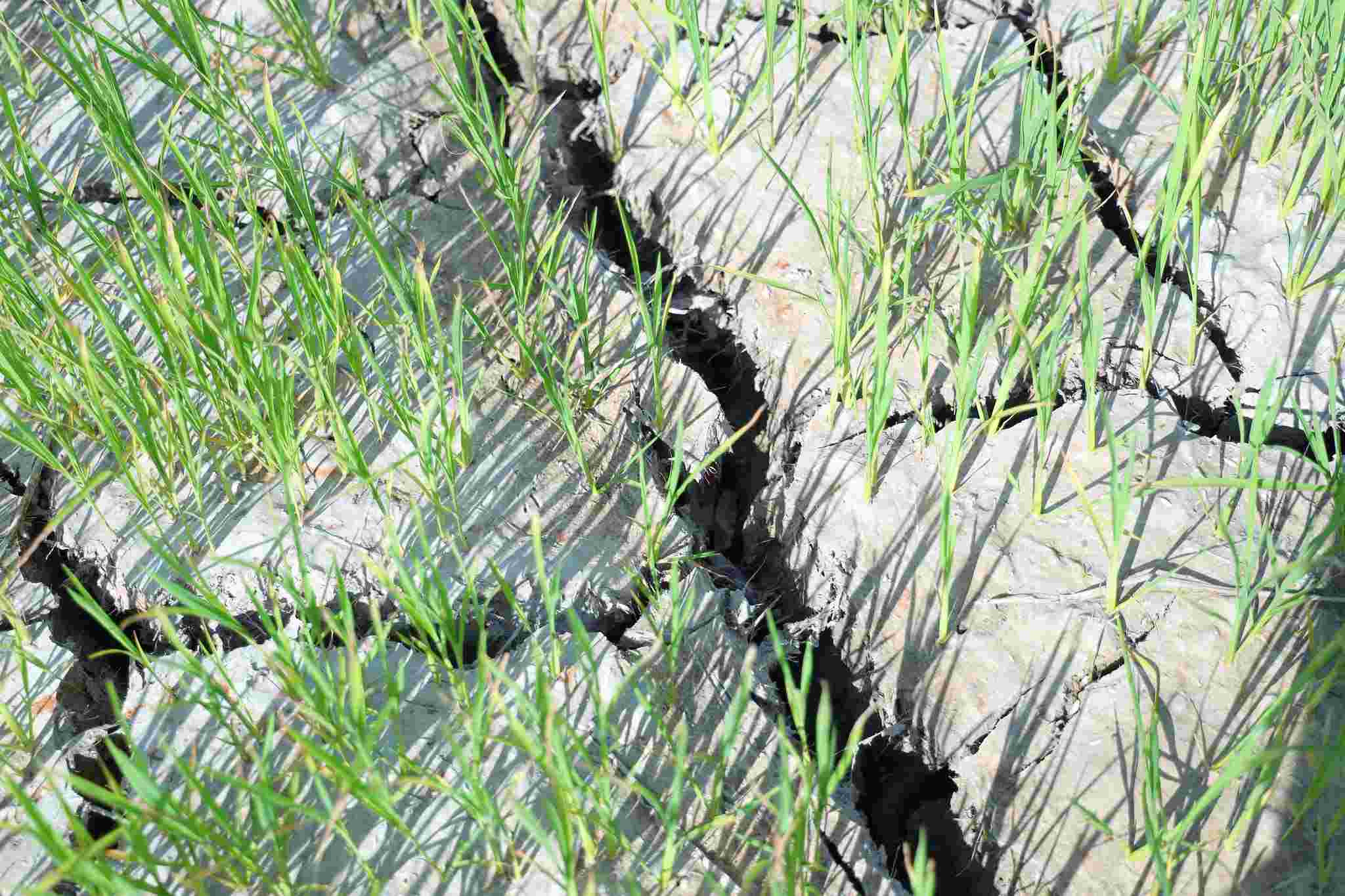
Village 7A, Dai Dong commune cultivates about 35 hectares of summer-autumn rice, of which nearly 5 hectares are completely dependent on water from small lakes and dams. When the lakes and dams are dry, this area immediately falls into a serious water shortage situation.
Not only people, agricultural service cooperatives are also straining to fight drought. Thanh Phong Agricultural Service Cooperative, Dai Dong commune, manages 5 pumping stations serving more than 323 hectares of rice. However, due to a sharp decrease in water sources in the canals, many pumping stations are only operating intermittently.
According to Dai Dong Commune People's Committee, this summer-autumn crop, the whole commune planted about 1,316 hectares of rice, currently there are more than 140 hectares lacking irrigation water. The main reason is that many lakes and dams have dried up, while some pumping stations do not have enough water to operate regularly.
Thousands of hectares of rice lacking water
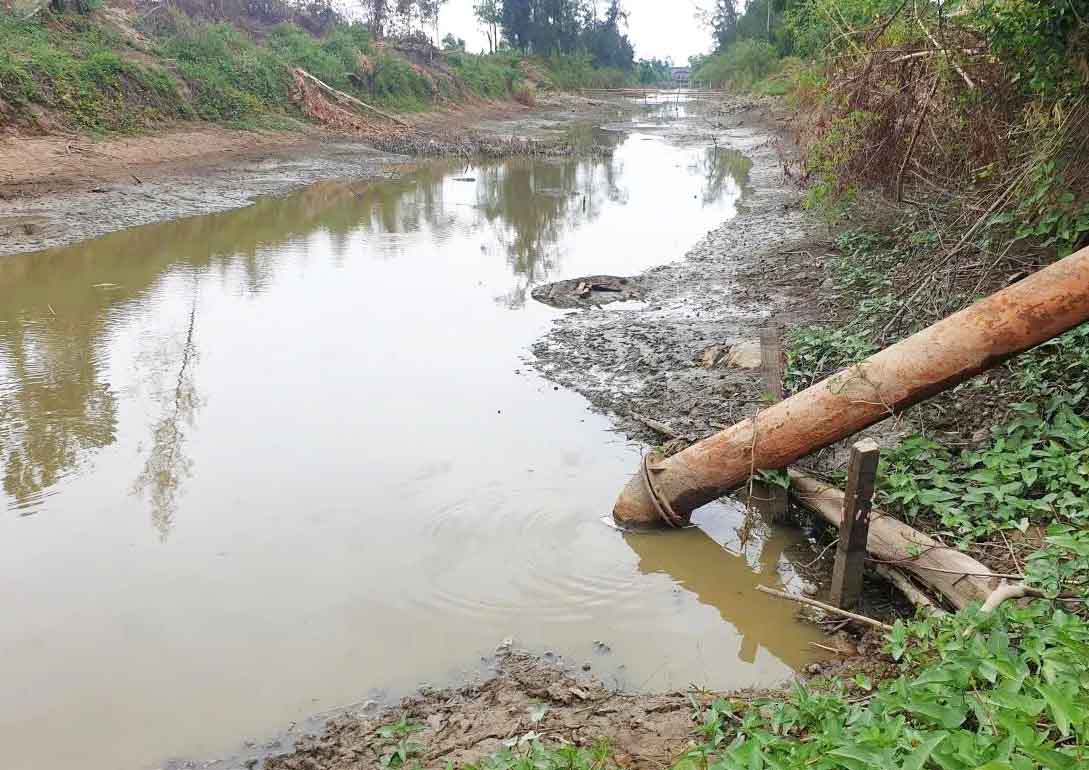
Drought also occurred in Nghi Loc commune. This summer-autumn crop, the locality planted more than 1,200 hectares of rice, of which about 270 hectares are lacking irrigation water. Many pumping stations are still operating when conditions permit, but water sources are increasingly scarce. Low water levels in rivers and canals also increase the risk of saltwater intrusion, causing some times to temporarily stop pumping to avoid bringing saltwater into the fields.
In Lam Thanh commune, about 80 hectares of rice are affected due to low water levels, locally blocked canals, and dense water hyacinth growing obstructing the flow. Local authorities have requested pumping stations to regularly monitor water sources, take advantage of time when conditions are sufficient to operate at full capacity and supply water to fight drought.
According to the Nghe An Sub-Department of Crop Production and Plant Protection, in May and June, the whole province had more than 1,281 hectares of summer-autumn rice lacking irrigation water, concentrated in localities such as Kim Lien, Hung Nguyen, Lam Thanh, Dai Dong, Yen Hoa, Nga My, Nghia Hanh. The main reasons are prolonged heat, water sources at rivers, fields, lakes, and dams have decreased sharply while rice plants are in a stage of needing more water.
Faced with the above situation, the Nghe An agricultural sector proposed that localities proactively zone irrigation, build specific pumping schedules, prioritize water for rice areas that are in important growth stages. Localities are also required to dredge and repair the internal field canal system, maximize the remaining water source, and apply water-retaining measures in fields.
For areas with severe water shortages, functional sectors recommend that conversion to suitable dry crops is considered if irrigation sources cannot be ensured.


